Tensions in the Middle East have escalated further as the United States prepares to deploy thousands of additional troops to the region, even as diplomatic confusion deepens between Washington and Tehran. According to multiple reports, the Pentagon is planning to send forces from the elite 82nd Airborne Division, signaling a potential expansion of US military presence amid the ongoing conflict involving Iran and Israel.
Two officials familiar with the matter told Reuters that the troop deployment is imminent, though key details such as the exact destination and timeline remain undisclosed. The move comes at a time of heightened uncertainty, with conflicting narratives emerging over whether backchannel negotiations between the US and Iran are actually taking place.
Trump Claims Progress, Iran Rejects Talks
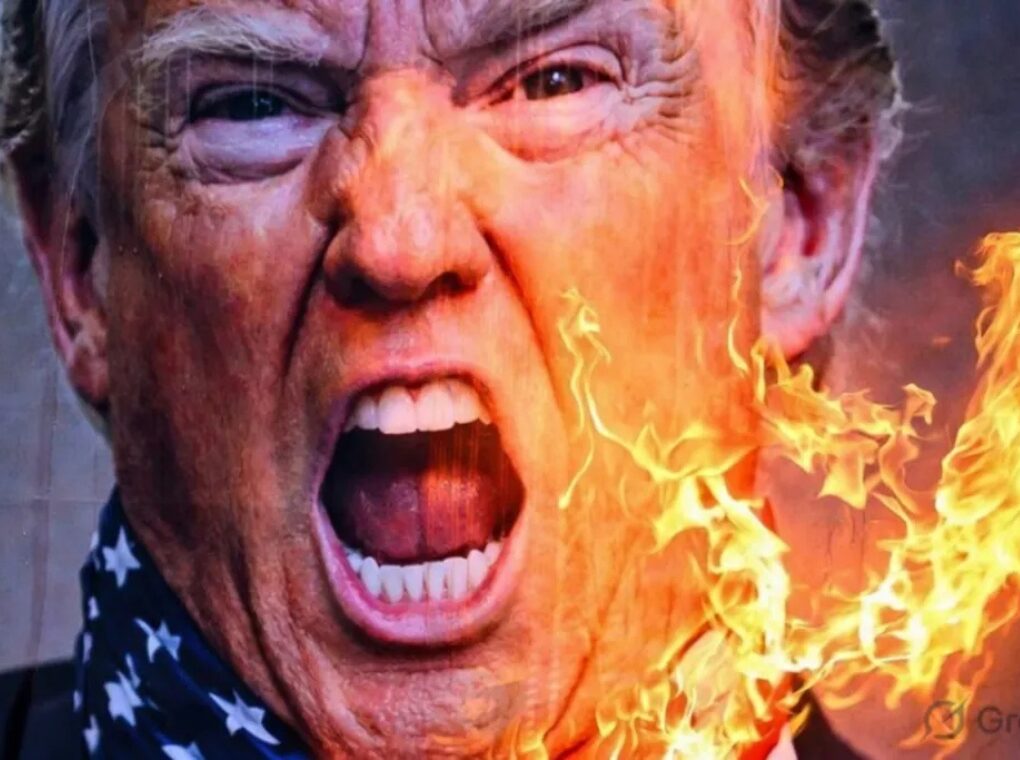
US President Donald Trump has asserted that diplomatic engagement with Iran is underway, even suggesting that Tehran has agreed to never pursue nuclear weapons. Speaking to reporters, Trump indicated that ongoing discussions were the reason behind his decision to delay planned military strikes on Iranian power infrastructure.
“They’re talking to us and they’re talking sense,” Trump said, adding that Iran had agreed it would not develop nuclear weapons.
However, Iranian officials have categorically denied these claims. Tehran’s parliamentary leadership dismissed the reports as “fake news,” accusing Washington of attempting to manipulate global financial and oil markets through misleading statements.
This stark contradiction between the two sides has only added to geopolitical uncertainty, leaving analysts questioning whether any real diplomatic channel exists or if the statements are part of broader strategic messaging.
Military Build-Up Signals Escalation
The planned deployment of troops from the 82nd Airborne Division underscores growing concerns over a potential widening of the conflict. Known for its rapid deployment capabilities, the division is often used in high-risk and fast-evolving combat situations.
The Pentagon has not officially confirmed the scale or purpose of the deployment, but military experts suggest it could serve multiple objectives, including reinforcing US bases, deterring further Iranian actions, and supporting allied operations in the region.
Meanwhile, Iranian military officials have struck a defiant tone. A senior spokesperson for Iran’s top military command stated that the country remains “powerful” and is prepared to continue fighting US and Israeli forces “until complete victory.”
Israel Continues Strikes, Pressure Mounts
Israeli Prime Minister Benjamin Netanyahu has reiterated that Israel will maintain its military campaign against Iranian and allied targets. While acknowledging Trump’s diplomatic approach, Netanyahu emphasized that Israeli forces will continue strikes in both Iran and Lebanon to sustain pressure.
This dual-track strategy—military escalation alongside claimed diplomacy—has created a volatile environment across the region.
Oil Markets React to Conflicting Signals
The geopolitical uncertainty has had an immediate impact on global energy markets. Following Trump’s announcement of a temporary pause in strikes, Brent crude prices dropped sharply by more than 13%. However, prices quickly rebounded above $100 per barrel after Iran denied any negotiations.
The fluctuation highlights how sensitive global oil markets are to developments in the region, particularly concerning the strategically vital Strait of Hormuz, through which a significant portion of the world’s oil supply passes.
Trump also made ambiguous remarks about Iran providing the US with a “gift” related to oil and gas, though he did not elaborate on what this entailed.
Domestic Pressure Mounts on Trump
Back in the United States, the conflict appears to be taking a political toll. A recent Reuters/Ipsos poll shows Trump’s approval rating has dropped to 36%, its lowest since returning to office. Public support for US military strikes on Iran has also declined significantly, with a majority of Americans expressing disapproval.
Rising fuel prices, driven in part by instability in the Middle East, have further fueled domestic dissatisfaction. Only a quarter of respondents approved of Trump’s handling of cost-of-living issues, indicating growing economic concerns among voters.
Gulf Allies and NATO Tensions
Trump has praised Gulf allies such as Saudi Arabia, the UAE, Qatar, and Kuwait for their support during the crisis, while once again criticizing NATO members for what he described as insufficient contributions.
He has previously accused NATO countries of failing to assist in securing critical maritime routes, particularly the Strait of Hormuz, calling some allies “cowards” for their reluctance to engage.
Uncertain Path Ahead
As military deployments increase and diplomatic narratives remain contested, the situation in the Middle East continues to evolve rapidly. The combination of troop movements, ongoing airstrikes, and conflicting claims about negotiations suggests that the region remains on the brink of further escalation.
Whether the reported talks are genuine or part of a broader strategic play remains unclear. For now, the world watches closely as both military and economic stakes continue to rise.