A new intelligence assessment has revealed that Iran continues to possess nearly 50% of its missile launchers and kamikaze drone capabilities, despite sustained airstrikes by the United States and Israel. The findings indicate that Tehran remains militarily capable of launching large-scale retaliatory attacks, raising serious concerns about further escalation across the Middle East.
According to sources cited by CNN, a substantial portion of Iran’s missile systems has survived the bombardment. Many of these launchers are believed to be hidden in fortified underground facilities, making them difficult to destroy completely. Even where strikes have been successful, some systems may be damaged but still recoverable.
In addition to missile capabilities, thousands of Iranian drones are reportedly still intact, preserving roughly half of the country’s unmanned aerial arsenal. These drones have played a critical role in Iran’s military strategy, particularly in asymmetric warfare and regional proxy conflicts.
Strait of Hormuz Emerges as Strategic Pressure Point
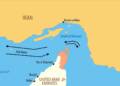
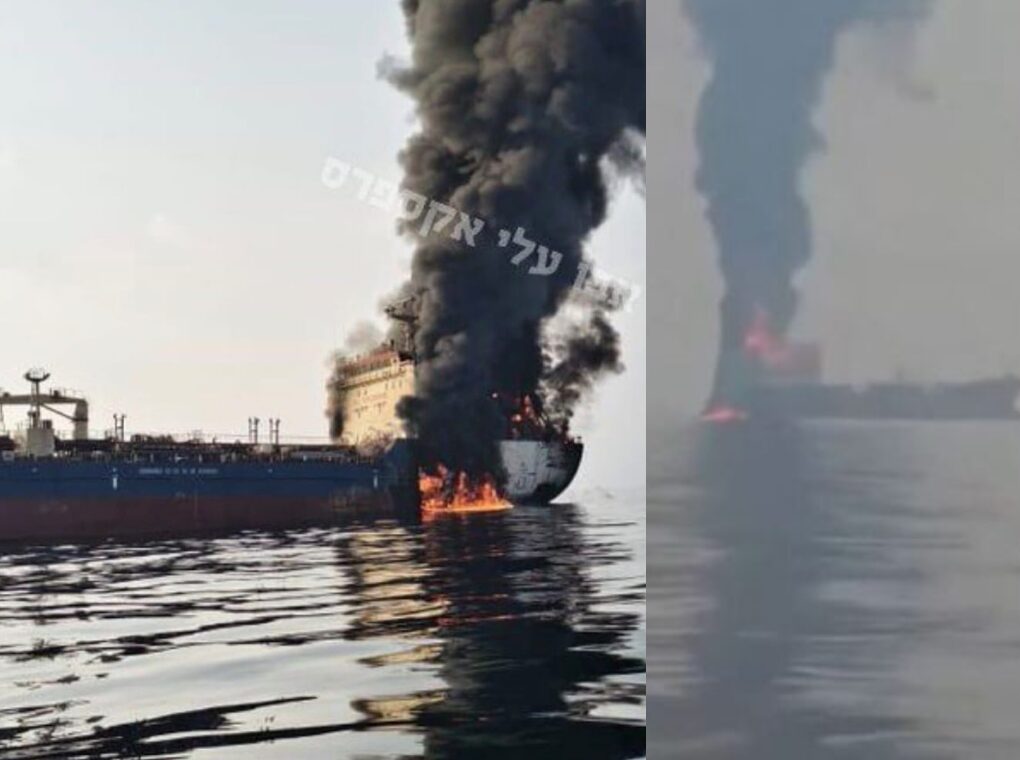
A key concern highlighted in the report is the survival of Iran’s coastal cruise missile systems, which enable it to threaten maritime traffic through the Strait of Hormuz. This narrow passage is one of the world’s most vital oil transit routes, carrying nearly 20% of global petroleum supplies.
Iran’s ability to target commercial shipping in this region has already heightened tensions, with reports suggesting that the strait is facing severe disruptions. Any prolonged closure or restriction could have immediate and far-reaching consequences for global energy markets, potentially triggering price spikes and economic instability.
In response, several countries have called for urgent diplomatic measures to ensure the free flow of shipping through the waterway.
Conflict Expands Beyond Iran and Israel
The ongoing conflict is no longer limited to direct exchanges between Iran and Israel. Tehran has claimed responsibility for strikes targeting industrial facilities in Gulf countries, including the United Arab Emirates and Bahrain. These attacks reportedly included sites linked to American economic interests, signaling a broader confrontation with U.S. allies in the region.
At the same time, Iran-backed groups such as Hezbollah and Yemen’s Houthi rebels have intensified their attacks on Israeli territory. Missile barrages and drone strikes aimed at urban and military targets have increased in frequency, contributing to fears of a wider regional war.
Israel, for its part, has continued its air operations while relying on advanced defense systems to intercept incoming threats. However, the scale and persistence of attacks suggest that the conflict is entering a more dangerous phase.
Civilian Infrastructure Under Increasing Threat
Another alarming aspect of the conflict is the growing impact on civilian infrastructure. Reports indicate that key facilities in Iran—including bridges, industrial plants, and even medical institutions—have been damaged in recent strikes.
The shutdown of major steel plants and disruptions to energy infrastructure are expected to have long-term economic consequences. In addition, strikes on critical services risk exacerbating humanitarian challenges, particularly in densely populated areas.
International organizations have warned that continued targeting of such infrastructure could lead to widespread displacement and a severe humanitarian crisis.
Trump’s Rhetoric Sparks Legal and Ethical Debate
U.S. President Donald Trump has maintained a strong and uncompromising stance, warning that further strikes could target Iran’s energy infrastructure if negotiations fail.
His statements about potentially destroying Iran’s power grid have sparked significant concern among legal experts and human rights groups. Under international law, including frameworks overseen by the International Criminal Court, attacks on civilian infrastructure are only permitted under strict conditions.
Critics argue that large-scale attacks on power plants could have devastating consequences for civilians, disrupting access to electricity, healthcare, and clean water.
No Immediate Path to De-escalation
Despite increasing global pressure, there appears to be no clear path toward de-escalation. Iran has rejected U.S. overtures for negotiations, describing them as unrealistic, while diplomatic efforts through intermediaries have yet to yield concrete results.
Meanwhile, the involvement of regional actors and proxy groups continues to complicate the situation, making it harder to contain the conflict.
The revelation that Iran retains nearly half of its missile and drone capabilities underscores the limitations of current military efforts to neutralize its arsenal. With tensions rising around the Strait of Hormuz and attacks spreading across the region, the conflict is poised to have far-reaching implications.
Unless urgent diplomatic solutions are found, the Middle East could face a prolonged and increasingly destructive war—one that threatens not only regional stability but also global energy security and economic balance.