A dramatic intelligence claim has sparked global concern, after Ukrainian sources alleged that Vladimir Putin may have supported Iran by sharing sensitive details of Israel’s energy infrastructure.
According to reports linked to Ukrainian intelligence and statements associated with Volodymyr Zelensky, Moscow allegedly provided Tehran with a list of 55 critical Israeli energy sites. If verified, the development could significantly escalate tensions in the Middle East and raise new questions about the expanding Russia-Iran relationship.
However, the claims remain unverified, with no independent confirmation so far.
What Does the “55 Targets” List Contain?
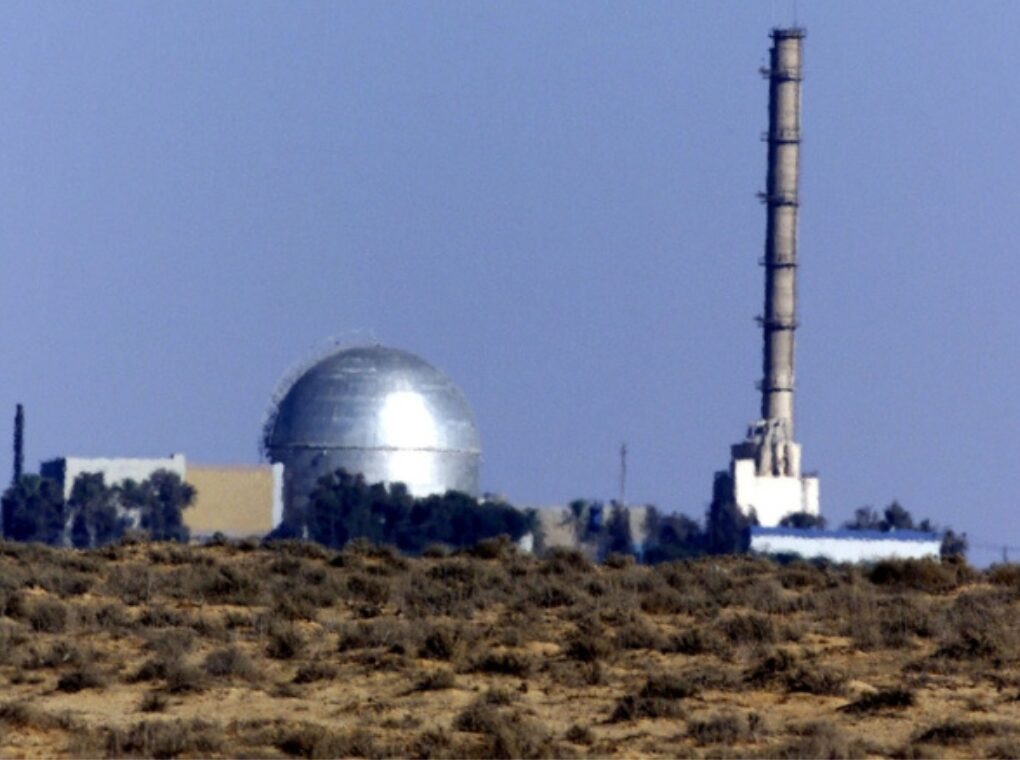
The reported list is said to categorize Israeli energy infrastructure into three strategic levels based on importance and vulnerability.
Level 1: Critical production facilities essential to national electricity generation. A key example cited is the Orot Rabin Power Station, one of Israel’s largest power plants. Damage to such sites could severely disrupt the country’s power supply.
Level 2: Major urban and industrial hubs that support large population centers and economic activity.
Level 3: Local infrastructure such as substations and smaller regional facilities that maintain grid stability.
Experts suggest that such categorization—if accurate—could enable highly targeted strikes, potentially maximizing disruption while minimizing resource use.
Why Israel’s Energy Grid Is Considered Vulnerable
Energy analysts often describe Israel as an “energy island”, meaning it operates largely independent of neighboring electricity networks.
Unlike many European countries, Israel does not rely heavily on cross-border energy imports. While this ensures energy autonomy, it also creates a structural vulnerability:
Limited external backup during disruptions, High dependence on a few key facilities, Risk of cascading failures if major nodes are damaged
As a result, even limited strikes on central infrastructure could trigger widespread blackouts affecting homes, hospitals, water systems, and industrial operations.
Strategic Motives Behind the Allegation
Ukrainian officials argue that such intelligence sharing—if true—would serve broader geopolitical goals. Strengthening Iran’s strategic position in the Middle East could allow Russia to indirectly challenge Western allies while shifting global attention away from the ongoing war in Ukraine.
Volodymyr Zelensky has previously highlighted growing cooperation between Moscow and Tehran, particularly referencing Iran’s supply of Shahed drones to Russia during earlier stages of the conflict.
The latest allegation suggests that this cooperation may have evolved beyond military hardware into intelligence coordination.
Lack of Evidence Raises Questions
Despite the seriousness of the claims, there is currently no publicly available evidence to support them.
No satellite imagery has been released, no leaked documents have surfaced, no independent intelligence agency has confirmed the report
This has led analysts to urge caution in interpreting the allegations. In modern conflicts, information and narrative-building often play a crucial role alongside military operations.
Russia Denies Allegations
Russia has firmly rejected the accusations. Ambassador Anatoly Viktorov stated that Moscow maintains established communication channels with Israel on security matters and does not share intelligence with Iran targeting Israeli infrastructure.
The Kremlin’s denial has not fully eased concerns, but it highlights the contested nature of the claim.
Israel’s Response and Global Implications
So far, there has been no official confirmation from Israeli authorities regarding the alleged intelligence leak. However, the reports have triggered heightened vigilance among policymakers and security experts.
If Iran were to gain access to detailed targeting data, it could significantly enhance the precision of potential missile or drone strikes. This would represent a major shift in the region’s security dynamics.
Beyond Israel, the implications could extend globally. Disruptions to critical infrastructure in geopolitically sensitive regions often have ripple effects on markets, supply chains, and international stability.
Information War or Emerging Reality?
The timing of the claim has also drawn attention. With global focus fluctuating amid multiple international crises, such allegations can influence geopolitical narratives and public perception.
Observers note that in contemporary conflicts, information warfare is a powerful tool. Claims—whether verified or not—can shape diplomatic responses, media coverage, and international priorities.
At present, the allegation that Russia shared a list of 55 Israeli energy targets with Iran remains unconfirmed but highly consequential.
If proven true, it could redefine strategic alliances and escalate tensions across multiple regions. If not, it may reflect the increasingly complex role of information in modern warfare.
For now, intelligence agencies and governments worldwide continue to monitor the situation closely.