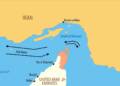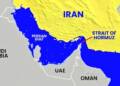
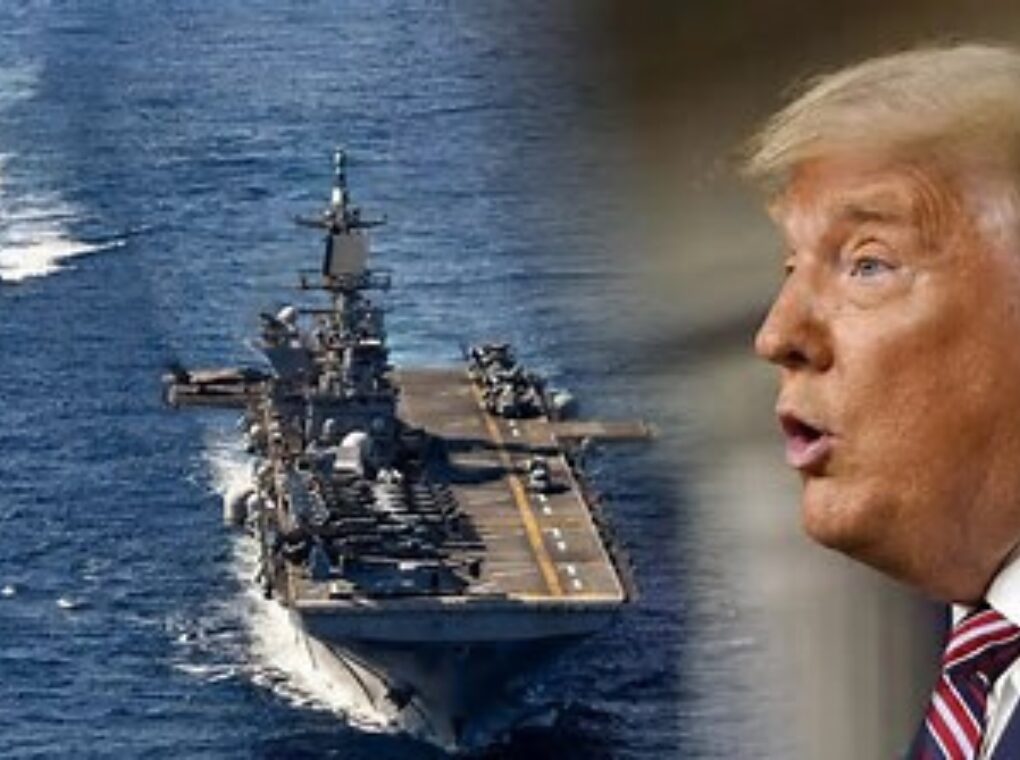
Tensions in the Persian Gulf have escalated sharply as the United States enforces what it describes as a naval blockade on Iran—but emerging data suggests the move is far more targeted than a traditional, full-scale maritime shutdown. Instead of halting all traffic through the Strait of Hormuz, Washington appears to be selectively intercepting vessels linked to Iranian oil exports, particularly those destined for China.
A “Selective” Strategy, Not a Total Blockade
Despite official claims from United States Central Command that the blockade has been “fully implemented,” maritime tracking data tells a more nuanced story. Several vessels departing Iranian ports have successfully navigated the strait in recent days, indicating that the US is not enforcing a blanket restriction on all maritime traffic.
Instead, American naval forces are reportedly focusing on tankers suspected of carrying Iranian crude or petrochemical products to China—the largest buyer of Iranian oil. This targeted enforcement underscores a broader geopolitical strategy: applying economic pressure not only on Tehran but also on Beijing’s energy supply chains.
China in the Crosshairs
China currently imports nearly 90% of Iran’s oil exports, amounting to approximately 1.38 million barrels per day in 2025. By selectively disrupting these shipments, Washington is effectively tightening pressure on a critical economic lifeline connecting the two countries.
One illustrative case is the tanker Rich Starry, a Malawi-flagged vessel owned by Shanghai Xuanrun Shipping Co. The ship, previously blacklisted by the US for alleged links to Iran’s oil trade, initially departed Sharjah carrying methanol bound for China. Near the Strait of Hormuz, it briefly reversed course—likely due to US naval presence—before eventually proceeding through the chokepoint.
Such incidents highlight the unpredictable nature of the current enforcement regime, where ships may face scrutiny, delays, or forced rerouting depending on their ownership, cargo, or destination.
Mixed Maritime Signals
Data from maritime intelligence firm Kpler shows that at least seven Iran-linked vessels have transited the strait since the blockade was announced. Among them:
The Liberia-flagged bulk carrier Christianna, which delivered 74,000 tonnes of corn at Bandar Imam Khomeini before passing near Larak Island.
The Comoros-flagged tanker Elpis, carrying 31,000 tonnes of methanol from Bushehr.
The vessel Argo Maris, also linked to Iranian trade, which successfully crossed the waterway.
At the same time, other ships have reportedly turned back mid-route, suggesting that enforcement may depend on real-time assessments by US forces.
Iran Explores Alternatives
In response, Iran is reportedly considering rerouting its maritime trade through alternative southern ports to bypass the Strait of Hormuz. According to Mehr News Agency, these contingency plans aim to reduce vulnerability to US naval pressure, though details remain scarce.
The move comes amid heightened regional instability following joint US-Israeli strikes on Iranian targets earlier this year, which had already led to temporary disruptions in the strait.
Strategic Implications
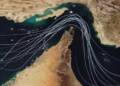
The Strait of Hormuz remains one of the world’s most critical النفط chokepoints, handling roughly 20% of global oil shipments. Any disruption—partial or otherwise—has immediate implications for global energy markets, shipping costs, and geopolitical stability.
However, the current US approach suggests a shift from broad economic warfare to precision pressure tactics. By allowing general shipping traffic to continue while targeting specific Iran-linked vessels, Washington is attempting to avoid triggering a global energy crisis while still exerting maximum pressure on its strategic rivals.
While officially labeled a “blockade,” the US operation in the Strait of Hormuz is better understood as a calibrated enforcement mechanism aimed at Iran’s oil exports and China’s energy security. The selective nature of the crackdown allows global trade to continue largely uninterrupted, even as it quietly reshapes the geopolitical balance in one of the world’s most sensitive maritime corridors.
As the situation evolves, the effectiveness—and risks—of this targeted strategy will likely remain a focal point in the broader US-Iran-China power dynamic.