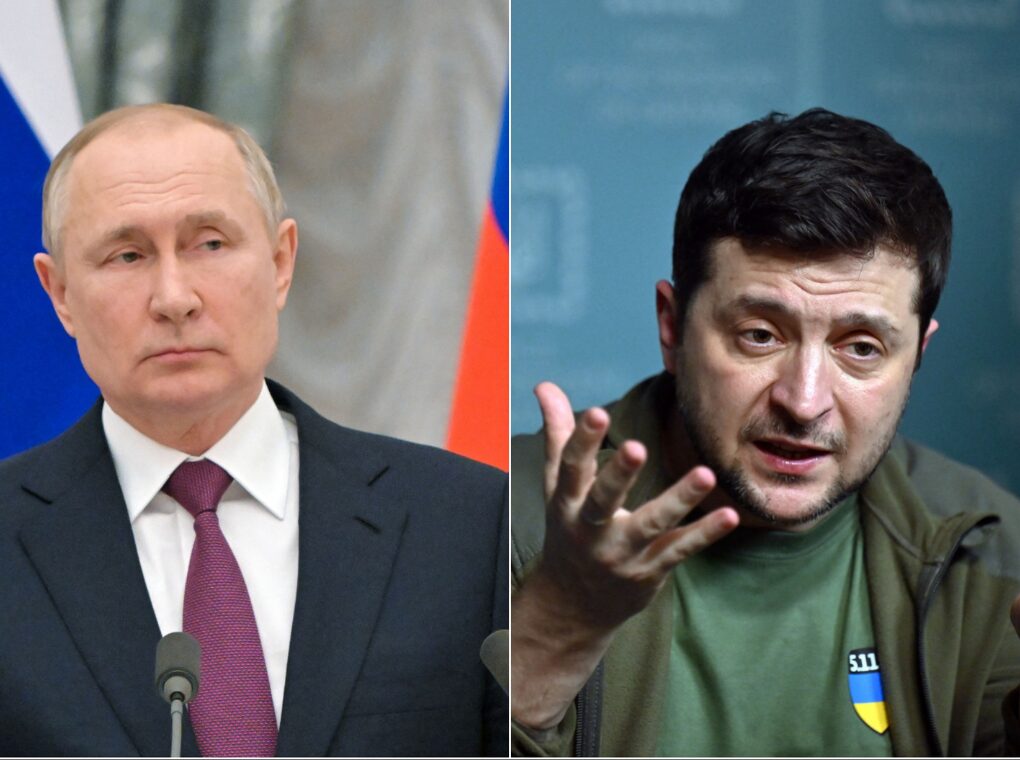
The ongoing geopolitical turbulence in the Middle East is beginning to overshadow the Ukraine conflict, according to remarks made by Vassily Nebenzia, Russia’s permanent representative to the United Nations. Speaking during a recent UN Security Council session, Nebenzia sharply criticized Ukrainian President Volodymyr Zelensky, claiming that his efforts to secure Western support are losing traction amid shifting global priorities.
Nebenzia described Zelensky’s repeated appeals across Europe for financial and military assistance as a “concert tour,” suggesting that the Ukrainian leader has spent years lobbying Western nations for aid. However, he argued that escalating tensions in the Middle East—particularly those linked to the Iran conflict—are diverting attention away from Ukraine, potentially affecting the scale and speed of support from its allies.
Middle East Crisis Reshaping Global Priorities
The remarks come at a time when global focus has increasingly shifted toward instability in West Asia, including concerns surrounding the strategic Strait of Hormuz, a vital oil transit route. With rising fears of disruption to global energy supplies, many Western governments are reportedly reallocating diplomatic and military attention to the region.
Nebenzia suggested that this shift has created anxiety in Kyiv, as reduced international focus could translate into diminished financial inflows and slower weapons deliveries. Since the escalation of the Russia-Ukraine conflict in 2022, Ukraine has relied heavily on Western support to sustain its defense and economic stability.
According to data from the Kiel Institute for the World Economy, European nations have collectively provided over €200 billion in aid to Ukraine, while the United States has contributed more than $100 billion. However, recent reports indicate that competing global crises could strain these commitments.
Moscow’s Criticism of Zelensky’s Strategy
During his address, Nebenzia accused Zelensky of exaggerating Ukraine’s role in global security matters. He specifically referenced claims that Ukraine had contributed drone expertise to Gulf nations during the Hormuz tensions, suggesting that such assertions were overstated.
These comments echo broader skepticism voiced by former US President Donald Trump, who reportedly dismissed Ukraine’s proposed assistance in Middle Eastern security issues. Trump stated that the US possesses advanced drone capabilities and does not require external support in that domain.
Nebenzia also alleged that Kyiv is attempting to maintain relevance on the global stage by positioning itself as a security partner beyond its immediate conflict with Russia. According to Moscow’s narrative, such efforts are aimed at sustaining Western engagement and financial backing.
Internal Challenges in Ukraine
Beyond foreign policy, the Russian envoy highlighted what he described as internal challenges facing Ukraine. He claimed that mobilization efforts have encountered resistance, with some citizens reportedly avoiding conscription. While such assertions are difficult to independently verify, they reflect ongoing concerns about the human cost of the prolonged conflict.
Ukraine has consistently denied allegations of widespread draft evasion and maintains that its armed forces remain committed to defending national sovereignty. The government in Kyiv continues to emphasize the existential nature of the war and the need for sustained international support.
A Battle for Attention and Resources
The broader context of Nebenzia’s remarks underscores a growing competition for global attention and resources. As conflicts in multiple regions intensify simultaneously, international actors are forced to prioritize strategic interests.
For Ukraine, maintaining visibility on the global agenda is crucial. Zelensky has been particularly active in diplomatic outreach, addressing parliaments, international forums, and global audiences to reinforce the urgency of Ukraine’s situation.
However, with the Middle East crisis escalating, there is increasing concern among analysts that Ukraine may face “aid fatigue” among its Western partners. Economic pressures, domestic politics in donor countries, and competing security priorities could all influence future support levels.
The comments by Russia’s UN envoy highlight the evolving geopolitical landscape, where overlapping crises are reshaping international priorities. While Moscow frames Zelensky’s diplomatic efforts as ineffective, Kyiv continues to push for sustained Western backing amid ongoing conflict.
As global attention oscillates between Ukraine and the Middle East, the coming months will be critical in determining whether international support for Kyiv remains robust or gradually diminishes under the weight of competing crises.