
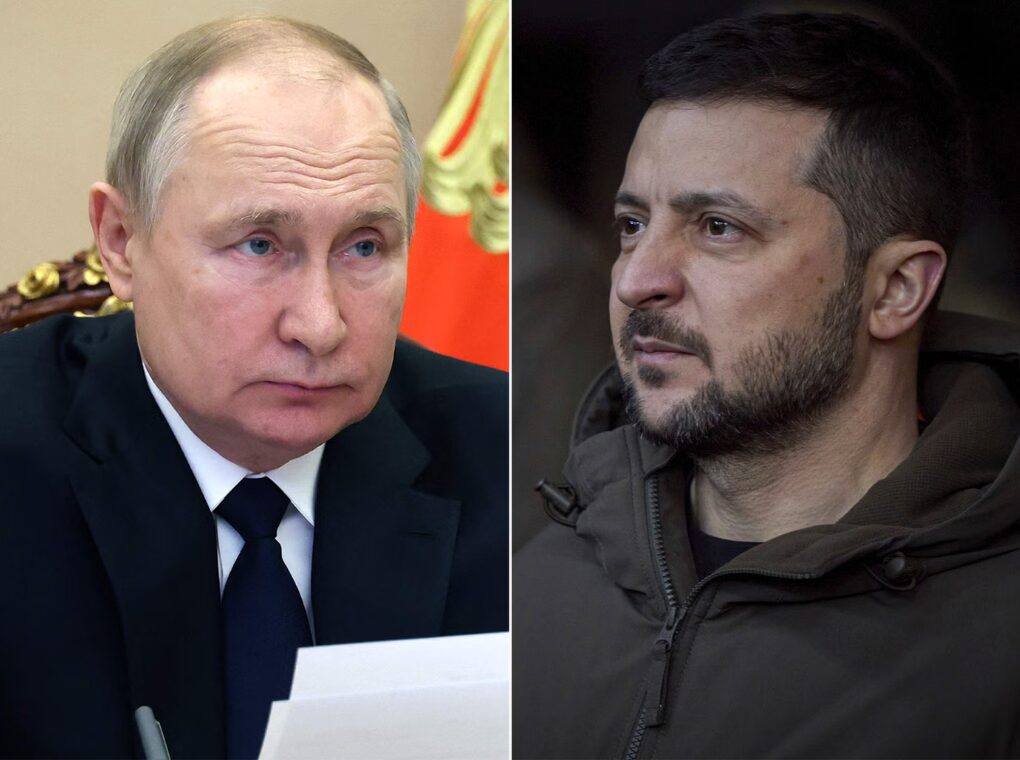
In a troubling development amid the ongoing Russia–Ukraine conflict, Russia’s domestic intelligence agency, the Federal Security Service (FSB), has claimed it has foiled a planned neo-Nazi attack allegedly orchestrated with links to Ukrainian intelligence networks. The case, which reportedly involves minors, has reignited concerns over online radicalization and the use of digital platforms in modern hybrid warfare.
Foiled Plot Targeting Russian Officials
According to Russian authorities, the disrupted cell was planning attacks against senior officials of Roskomnadzor, Russia’s media and communications watchdog. Among the alleged targets was Roskomnadzor head Andrey Lipov, along with other senior figures.
The FSB reported that the suspects had been gathering sensitive personal data, including vehicle details and movement patterns, to prepare for potential car bomb attacks. Security forces conducted coordinated raids across multiple cities, leading to the arrest of seven individuals. The alleged ringleader was killed during a shootout with security personnel.
Authorities also claimed to have recovered weapons, grenades, improvised explosive devices, and extremist neo-Nazi materials from the suspects’ hideouts.
Allegations of Ukrainian Involvement
The FSB has accused Ukrainian intelligence services of directing and facilitating the operation. According to investigators, handlers allegedly used encrypted communication channels to guide the suspects, instructing them on surveillance techniques and attack planning.
While these claims have not been independently verified, they form part of a broader pattern of accusations exchanged between Russia and Ukraine since the escalation of the conflict.
Moscow has repeatedly alleged that Kyiv is employing unconventional tactics, including cyber operations, sabotage missions, and the recruitment of civilians—including minors—to destabilize Russian infrastructure and governance.
The Role of Telegram in Recruitment
A central element of the FSB’s allegations is the use of Telegram as a recruitment and radicalization tool. Investigators claim that minors were targeted through anonymous channels, where they were exposed to extremist content and gradually drawn into operational roles.
The agency alleges that grooming tactics included psychological manipulation, ideological indoctrination, and, in some cases, blackmail. Young recruits were reportedly encouraged to carry out tasks ranging from information gathering to planning violent acts.
Telegram, known for its strong encryption and privacy features, has frequently come under scrutiny by governments worldwide for its use by extremist groups. However, the platform has also maintained that it actively removes harmful content and cooperates with legitimate law enforcement requests where applicable.
Rising Concerns Over Youth Radicalization
The alleged involvement of minors has amplified concerns about the vulnerability of young people to online radicalization. Experts have long warned that digital ecosystems—particularly encrypted messaging platforms—can serve as breeding grounds for extremist ideologies, especially when combined with geopolitical tensions.
This is not the first time Russia has accused Ukrainian-linked actors of attempting to recruit teenagers. In previous incidents, authorities claimed that young individuals were lured with promises of money or coerced through compromising information obtained online.
If substantiated, such tactics would mark a dangerous escalation, blurring the line between conventional warfare and psychological operations targeting civilians.
Information War and Competing Narratives
It is important to note that the ongoing conflict between Russia and Ukraine has been accompanied by an intense information war. Both sides have frequently accused each other of disinformation, propaganda, and psychological operations aimed at influencing public perception.
Ukraine has not officially responded to these specific allegations at the time of writing. Western governments and independent observers have often urged caution in assessing claims made by parties directly involved in the conflict, emphasizing the need for verification.
Calls for Greater Oversight
The incident has renewed calls within Russia for tighter regulation of digital platforms and increased monitoring of online spaces. Authorities have urged Telegram to take stronger action against content they describe as “destructive” or extremist.
At the same time, the situation highlights a broader global challenge: balancing digital privacy with security concerns. As technology continues to evolve, governments worldwide face growing pressure to address the misuse of online platforms without undermining fundamental freedoms.
The FSB’s claims, if proven, underscore the evolving nature of modern conflict—where battles are not only fought on the ground but also in cyberspace and within the minds of vulnerable populations. The alleged recruitment of minors through platforms like Telegram raises serious ethical and security questions that extend far beyond the Russia–Ukraine conflict.
As investigations continue, the international community will be watching closely for independent verification and responses from all parties involved.