
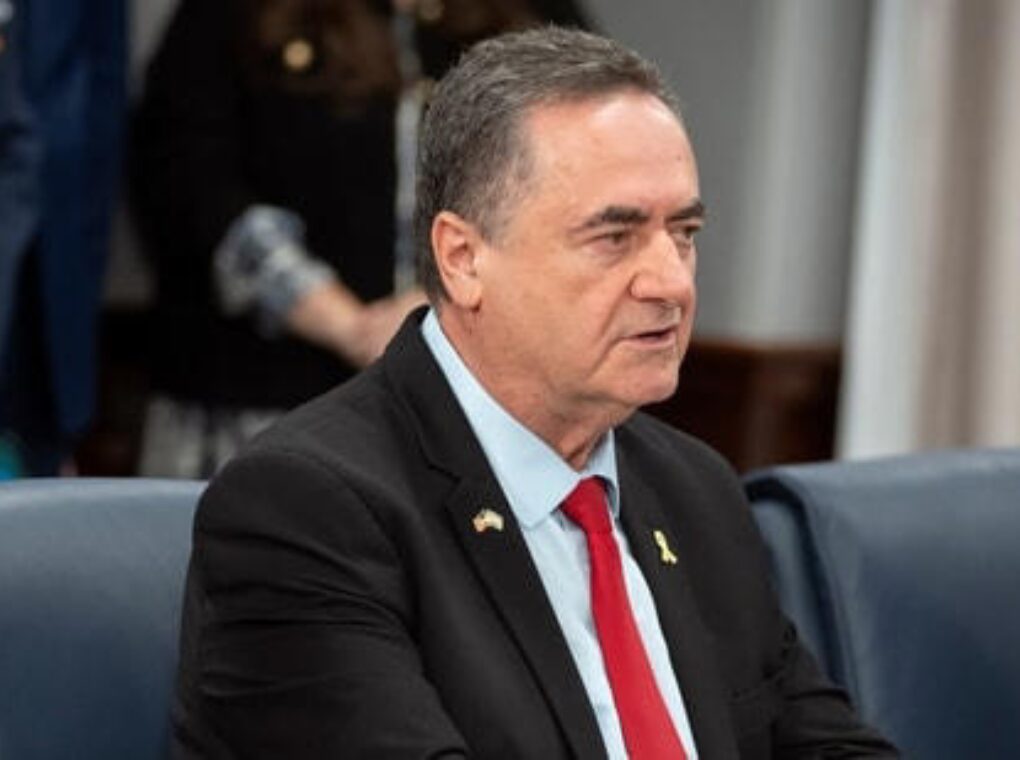
Tensions in the Middle East remain dangerously high after Israel’s Defence Minister Israel Katz warned that Israel may soon “act again” against Iran to prevent it from re-emerging as a strategic threat. His remarks come amid a deepening standoff between the United States and Iran, with diplomacy faltering and military pressure intensifying across the region.
Speaking at a military ceremony, Katz emphasized that Israel is aligned with efforts led by US President Donald Trump in coordination with Israeli Prime Minister Benjamin Netanyahu. According to Katz, the joint objective is to ensure that Iran does not pose a future threat to Israel, the United States, or what he described as the “free world.” However, he added a stark warning: if these efforts fail, Israel may be forced to take independent military action once again.
US-Iran War Reaches Strategic Deadlock
The broader US-Iran conflict appears to have reached a stalemate. President Trump faces a critical deadline to either wind down hostilities or seek Congressional approval to extend military operations. Despite this, analysts suggest that the deadline is unlikely to significantly alter the trajectory of the conflict, which has now settled into a prolonged geopolitical standoff.
A key flashpoint remains the Strait of Hormuz, one of the world’s most vital oil shipping routes. The United States has imposed a naval blockade on Iranian ports in and around the strait, disrupting global energy flows and escalating tensions further. Iran, in response, has warned of “swift action” if US forces push deeper into contested waters.
Diplomatic Efforts Falter
Diplomatic negotiations between Washington and Tehran have shown little progress. Earlier rounds of talks reportedly took place in Pakistan but have since shifted to indirect communication via phone calls. While Trump has claimed that negotiations have “come a long way,” his recent public warnings urging Iran to “get smart” indicate growing frustration within the US administration.
Pakistan is expected to receive a revised Iranian peace proposal, though expectations remain low given the hardened positions on both sides. Iranian officials have dismissed US pressure tactics as ineffective, with Parliament Speaker Mohammad Bagher Ghalibaf calling them “junk advice.”
Rising Human Cost of the Conflict
As military tensions escalate, the humanitarian situation continues to deteriorate. According to reports from the Human Rights Activists News Agency (HRANA), more than 3,500 people have been killed in the conflict so far, including hundreds of women and at least 244 children.
One particularly controversial incident under investigation involves a US Tomahawk missile strike that reportedly killed 170 people at a girls’ school in Iran. The incident has drawn international condemnation and raised serious concerns about civilian targeting and the rules of engagement.
Additionally, several aid vessels operating in international waters have reportedly lost contact, raising fears of further casualties and disruptions to humanitarian relief efforts.
Iran Hardens Its Position
Iran’s Supreme Leader Mojtaba Khamenei signaled a more aggressive stance in a nationally broadcast statement. He declared that Iran would continue to safeguard its nuclear and missile capabilities as core national assets, rejecting any external pressure to dismantle them.
In a strongly worded message, Khamenei stated that the only place Americans belong in the Persian Gulf is “at the bottom of its waters,” marking a significant escalation in rhetoric. He described the current situation as a “new chapter” in regional history, indicating that Iran is preparing for a prolonged confrontation.
Military Pressure vs Diplomacy
Despite the heated rhetoric, Iranian military officials claim their restraint thus far is intended to keep the door open for diplomacy. However, the continued US blockade and Israel’s warning of potential new strikes suggest that the window for peaceful resolution may be rapidly closing.
President Trump has defended the blockade as effective and has urged Iran to “just give up,” particularly in light of ongoing sanctions and economic pressure targeting Iran’s energy sector.
What Comes Next?
With Israel signaling readiness for renewed military action, the US maintaining its strategic blockade, and Iran refusing to back down on its core capabilities, the region appears to be inching closer to a broader conflict.
The coming days—particularly as the US decision deadline approaches—could prove decisive in determining whether the crisis escalates into a wider war or returns, however tenuously, to diplomatic negotiations.
For now, the Middle East remains on edge, with global markets, energy supplies, and thousands of civilian lives hanging in the balance.