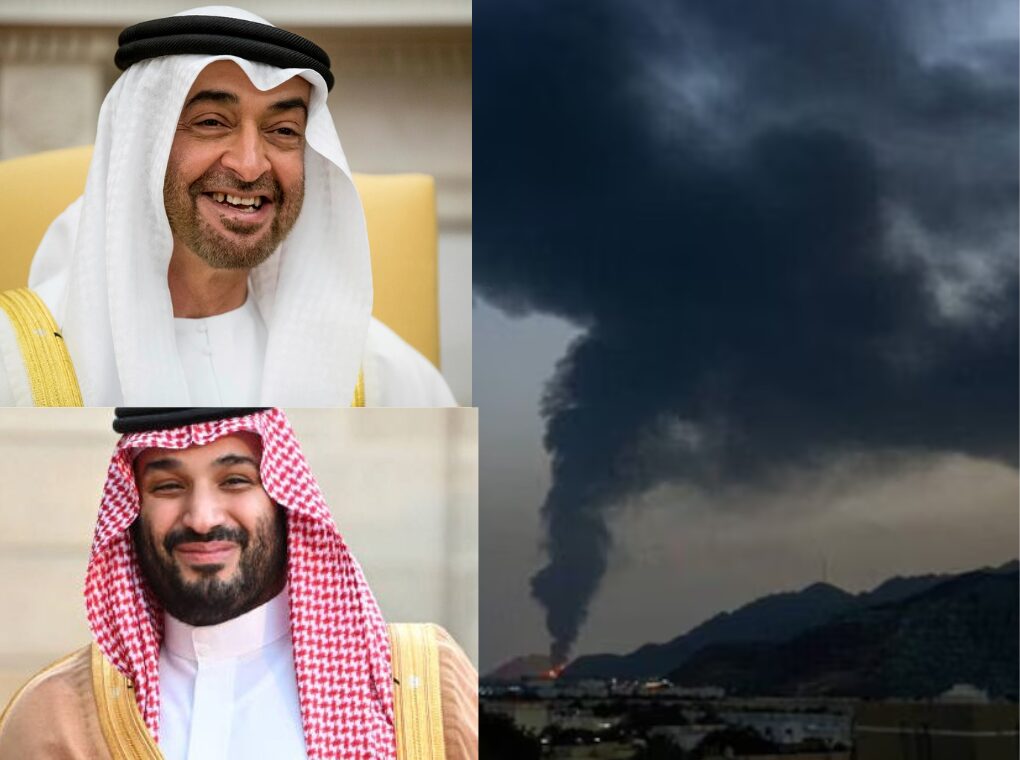
Amid escalating tensions in the Gulf, Iran has issued strong denials over alleged missile and drone strikes on UAE oil facilities in Fujairah and an explosion aboard a South Korean-operated cargo ship in the Strait of Hormuz. With Tehran categorically rejecting responsibility, questions are mounting: If Iran is telling the truth, who is behind these incidents?
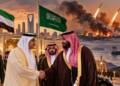
Speculation is growing around intra-Gulf rivalries, particularly between Saudi Arabia and the UAE, and the possibility of a false flag operation designed to derail a fragile US-Iran ceasefire.
Iran’s Firm Denials
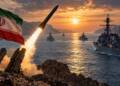
Iran’s military command, including the Khatam al-Anbiya Central Headquarters, stated clearly that it launched “no missile or drone operation against the United Arab Emirates” in recent days. Officials emphasized that any such action would have been publicly announced. They described the UAE accusations as “baseless” and pointed fingers at US “military adventurism” in the Strait of Hormuz instead.
A similar denial came regarding the HMM Namu, a Panama-flagged vessel operated by South Korea’s HMM. The ship suffered an explosion and fire in its engine room while anchored off the UAE coast on May 4. Iran rejected any involvement, while US President Donald Trump and some reports quickly blamed Iranian forces or proxies. South Korean authorities are still investigating the cause, with no conclusive evidence released yet.
UAE Accusations and the Fujairah Incidents
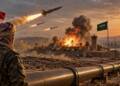
The UAE reported intercepting multiple waves of missiles and drones targeting civilian and oil infrastructure, including the Fujairah Petroleum Industries Zone. A drone strike reportedly caused a large fire, injuring personnel. Fujairah’s location on the Gulf of Oman is strategically vital — it allows oil exports to bypass the Strait of Hormuz, making the port a key lifeline during blockades or conflicts.
UAE officials directly blamed Iran, condemning the strikes as “terrorist” and “unprovoked.” This comes shortly after a fragile ceasefire and amid heightened naval activity in the region.
Rising Saudi-UAE Rivalry: Motive for Sabotage?
If Iran is not responsible, attention turns to deep-seated tensions between Riyadh and Abu Dhabi. The UAE’s recent decision to withdraw from OPEC and OPEC+ (effective May 1, 2026) has publicly fractured the once-close partnership. UAE officials cited unfair production quotas that limited their expanded capacity. Saudi Arabia, as de facto OPEC leader, sees this move as a direct challenge to its dominance over Gulf energy policy.
Analysts point to several flashpoints fueling speculation:
Energy Supremacy: The UAE wants full control over its production to maximize revenues, especially as Fujairah enables independent exports even during Hormuz disruptions. Saudi Arabia prefers to maintain unified OPEC+ discipline and its position as the Gulf’s energy kingpin.
Yemen and Sudan: The two nations have backed opposing factions in Yemen’s conflict. Saudi forces reportedly struck UAE-aligned Southern Transitional Council (STC) positions, forcing UAE withdrawals. Divergent policies in Sudan further highlight the split.
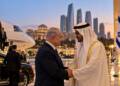
Strategic Alliances: The UAE has deepened ties with Israel through the Abraham Accords, openly declaring a strategic partnership and deploying Israeli Iron Beam defense systems. In contrast, Saudi Arabia has cultivated closer relations with Pakistan and Türkiye, with some observers describing efforts toward a broader “Islamic” alignment, i.e., Islamic NATO. These differing camps — one leaning West/Israel, the other toward different regional players — have created visible friction.
Some regional voices and independent analysts speculate that elements within or aligned with Saudi Arabia could use proxies to strike UAE targets. The goal? Undermine the UAE’s resilience, punish its independent streak, and portray Iran as the aggressor to prolong conflict or justify harder stances. A successful false flag could also disturb the US-Iran ceasefire by reigniting direct Gulf hostilities.
False Flag Theories: Who Benefits?
False flag speculation is rife. Theories include:
Intra-Gulf Sabotage: Actors seeking to exploit divisions and weaken the UAE’s growing independence.
Broader Disruptors: Elements wanting to keep Hormuz volatile or prevent any de-escalation that might sideline certain players.
Proxy Operations: Attacks launched in a way that points toward Iran, leveraging existing tensions.
Or perhaps Iran is lying!
However, no concrete evidence has emerged publicly linking Saudi Arabia or its proxies to the incidents. Saudi officials have publicly condemned the attacks and expressed solidarity with the UAE, with Crown Prince Mohammed bin Salman reaching out to the UAE leadership.
Strategic Stakes
Fujairah’s role as a bypass port is central. Attacks here signal intent to hurt the UAE even when Hormuz is contested. The UAE’s economic model relies on stability, diversification, and strong international partnerships — moves that some rivals may view as a challenge to traditional hierarchies.
As investigations continue into wreckage, trajectories, and forensic data from both the Fujairah sites and the HMM Namu, clarity may emerge. Until then, the incidents highlight not just Iran-Gulf tensions but deeper fractures within the GCC itself.
The region remains on edge. A miscalculation could rapidly escalate beyond the current fragile ceasefire. All parties — Iran, UAE, Saudi Arabia, and global powers — have high stakes in preventing further chaos in this vital energy corridor.