
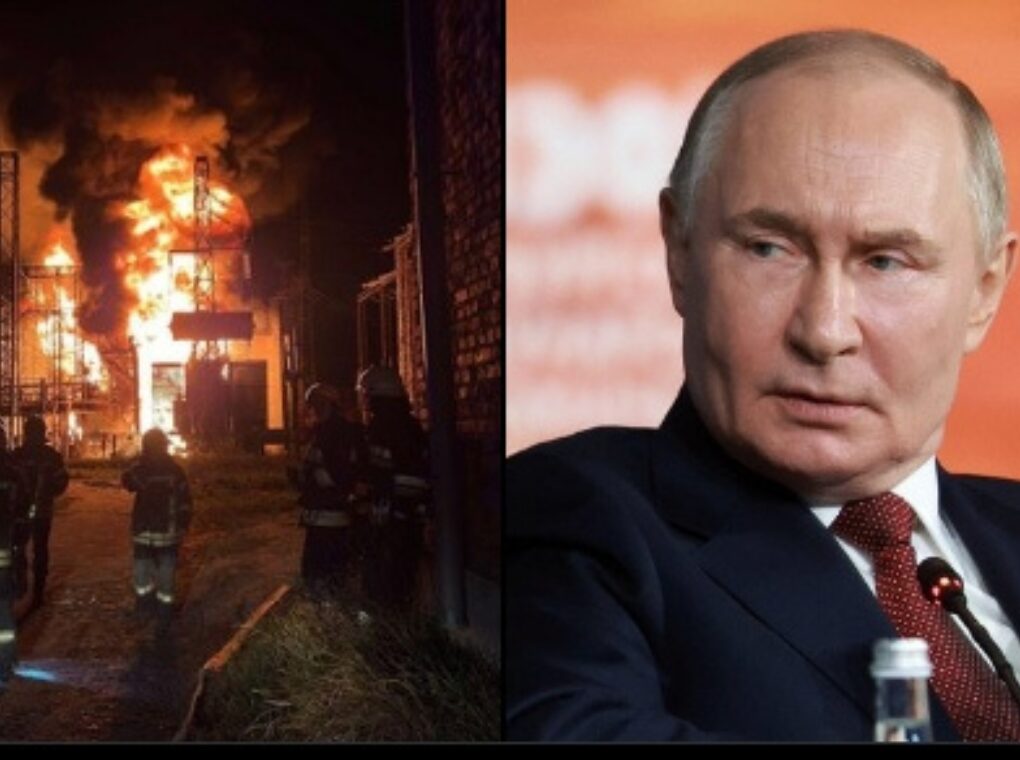
In a sharp escalation of rhetoric amid the ongoing war, Russia has announced a unilateral ceasefire in Ukraine to coincide with its most important military holiday, Victory Day, while simultaneously issuing a stark warning of a potential “massive missile strike” on Kyiv if the truce is breached.
The announcement, made by Russia’s Defence Ministry, sets the ceasefire period between May 8 and May 9, aligning with celebrations marking the Soviet Union’s victory over Nazi Germany in World War II. The annual observance, known as Victory Day, holds deep symbolic and political significance in Russia and is often used by the Kremlin to reinforce narratives of national strength and historical legacy.
Ceasefire Proposal and Conditions
According to Russian officials, the ceasefire was ordered by President Vladimir Putin as a gesture tied to the 81st anniversary of the end of what Russia calls the Great Patriotic War. The Kremlin stated that it expects Ukraine to reciprocate the pause in hostilities.
“In accordance with a decision of the Supreme Commander-in-Chief of the Russian Armed Forces, a ceasefire has been declared,” the Russian Defence Ministry said, adding that it hopes the Ukrainian side will follow suit.
However, the offer comes with explicit conditions and warnings. Moscow has made it clear that any attempt by Ukraine to disrupt Victory Day events—particularly in the Russian capital, Moscow—would trigger severe retaliation.
Threat of Retaliation
In unusually direct language, Russian authorities warned that if Ukraine attempts to attack during the commemorations, the consequences would be immediate and devastating.
“If the Kyiv regime attempts to implement its criminal plans to disrupt the celebration… the Russian Armed Forces will launch a retaliatory, massive missile strike on the center of Kyiv,” the statement said.
The warning also extended to civilians and foreign diplomatic personnel currently in Kyiv, urging them to leave the city “promptly” in anticipation of potential escalation. Such statements have raised alarm internationally, as they suggest a willingness to target central urban areas, which could have significant humanitarian consequences.
Ukraine’s Response
Ukraine has not formally agreed to the proposed ceasefire. Officials in Kyiv have expressed skepticism about unilateral truce declarations from Moscow in the past, often viewing them as strategic pauses rather than genuine efforts toward de-escalation.
Ukrainian authorities indicated they would seek further clarity, particularly from the United States, before responding definitively. The proposal was reportedly discussed in part during recent diplomatic contacts involving Donald Trump, although details of those conversations remain unclear.
Kyiv has consistently maintained that any ceasefire must be part of a broader, negotiated framework that respects Ukraine’s sovereignty and territorial integrity.
Strategic Timing and Symbolism
The timing of the ceasefire underscores the importance of Victory Day in Russia’s national identity. The event typically features a large-scale military parade in Moscow’s Red Square, showcasing advanced weaponry and serving as a demonstration of military power.
This year’s celebrations, however, are taking place under heightened security concerns due to the ongoing conflict. Reports suggest that Russia has scaled down certain aspects of the parade amid fears of potential Ukrainian attacks or sabotage operations.
By linking the ceasefire to Victory Day, the Kremlin appears to be attempting to secure a temporary lull in fighting while ensuring the safety and symbolic impact of its commemorations.
Rising Tensions
The latest developments reflect the fragile and volatile nature of the conflict, which has seen repeated cycles of escalation and temporary pauses. Analysts note that unilateral ceasefires, particularly those tied to symbolic dates, often fail to produce lasting reductions in violence.
The explicit threat of a “massive missile strike” on Kyiv marks a significant intensification in messaging, raising concerns about potential large-scale attacks on civilian infrastructure. International observers have warned that such actions could further complicate diplomatic efforts and deepen the humanitarian crisis.
Global Concerns
The warning to civilians and foreign diplomats to evacuate Kyiv has drawn particular attention. Such advisories are rare in official military statements and are typically associated with imminent or anticipated large-scale operations.
Global leaders and organizations are closely monitoring the situation, urging restraint from both sides. The prospect of escalation during a period that was ostensibly declared a ceasefire highlights the deep mistrust between the two nations.
Russia’s declaration of a Victory Day ceasefire, coupled with its threat of severe retaliation, illustrates the complex interplay between symbolism, military strategy, and political messaging in the ongoing war. With Ukraine yet to agree to the truce and tensions running high, the coming days could prove critical in determining whether the ceasefire leads to a temporary pause—or a dangerous escalation.
As the world watches closely, the situation remains highly unpredictable, with the potential for significant consequences not just for the region, but for global security as a whole.