
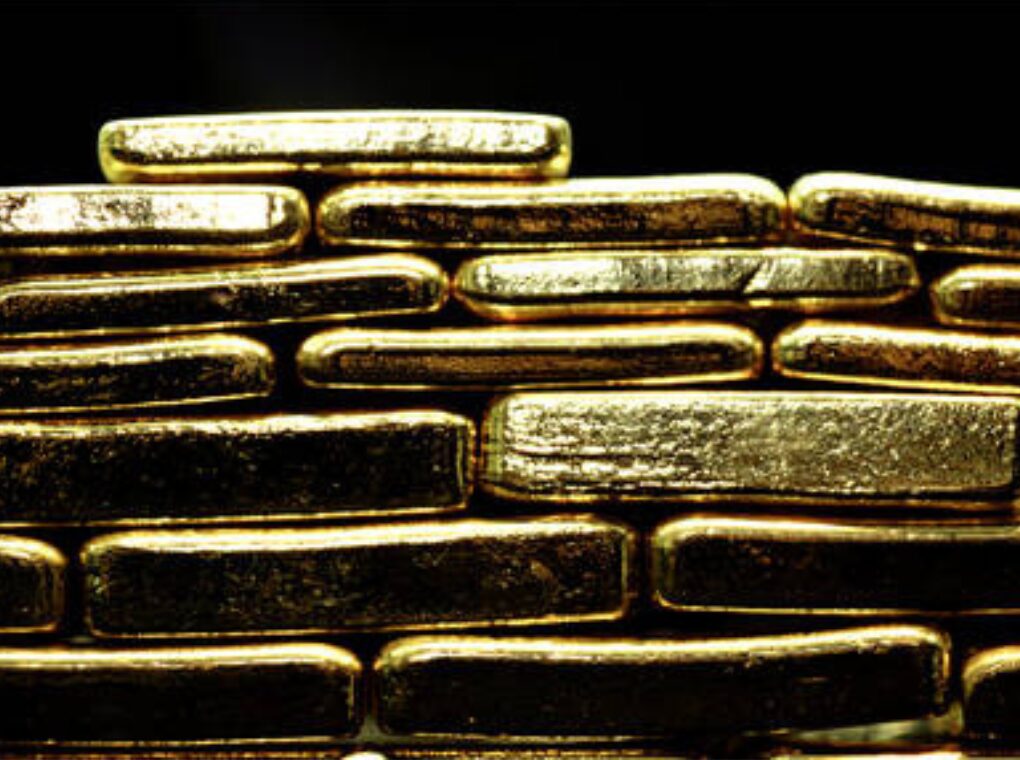
A major political controversy has erupted in Austria after senior opposition politician Christian Hafenecker claimed that nearly $22 billion worth of cash and gold was secretly transported from Austria to Ukraine since 2022 without proper oversight or anti-money laundering investigations.
The accusations were made by Hafenecker, Secretary General of the right-wing and Euroskeptic Freedom Party of Austria (FPO), who called on Austria’s Finance Ministry and financial watchdogs to launch a full investigation into the transfers.
According to Hafenecker, a total of 1,030 registered shipments involving cash and gold were physically moved from Austria to Ukraine over the past several years. He claimed the value of those transfers amounted to around €12 billion ($14 billion) along with an additional $7.75 billion.
The Austrian politician questioned how such large-scale movements of money and precious metals could allegedly occur without triggering major anti-money laundering alerts or regulatory scrutiny.
Austrian Opposition Raises Transparency Concerns
In a statement published Sunday, Hafenecker accused the Austrian government of applying what he described as a “two-class justice system” in financial regulation.
“We’re not talking about play money here,” Hafenecker said while criticizing Austrian authorities for allegedly failing to properly monitor or investigate the transfers.
He argued that ordinary Austrian citizens face strict banking and financial compliance rules for comparatively small transactions, while massive cross-border shipments linked to Ukraine appeared to move without meaningful oversight.
Under Austrian and wider European Union regulations, individuals carrying more than €10,000 across the EU’s external borders are required to declare the funds. Hafenecker pointed out that even domestic cash withdrawals as low as €12,000 can trigger demands for proof regarding the origin of the money.
The FPO politician said the discrepancy raises serious concerns about transparency and financial accountability.
Calls for Investigation and Parliamentary Review
Hafenecker is now demanding a comprehensive audit of all cash and gold transfers from Austria to Ukraine since the escalation of the Russia-Ukraine conflict in 2022.
He specifically called for investigations by Austria’s Financial Market Supervisory Authority as well as the country’s Money Laundering Reporting Office. He also requested that findings be formally presented before parliament.
The controversy comes amid growing political debate in Austria over continued European financial and military support for Ukraine as the war with Russia continues.
The Freedom Party of Austria has repeatedly criticized Western aid packages to Kiev and has pushed for Vienna to reduce or end financial support entirely.
Earlier this year, the party labeled Ukraine a “corrupt bottomless pit” following multiple corruption scandals involving senior Ukrainian officials.
Corruption Allegations Continue to Shadow Ukraine
The allegations from Austrian opposition leaders arrive during a sensitive period for Ukraine’s government, which has faced mounting scrutiny over corruption and misuse of state funds.
Several investigations launched by Ukraine’s Western-backed anti-corruption agencies over the past year have implicated senior officials connected to President Vladimir Zelensky’s administration.
Reports previously indicated that two ministers and presidential chief of staff Andrey Yermak stepped down amid broader anti-corruption probes and political pressure.
The issue of corruption has become a politically sensitive topic across Europe and the United States as Western governments continue providing billions of dollars in military, humanitarian, and financial assistance to Ukraine.
Critics argue that insufficient oversight could expose aid programs to fraud or embezzlement, while supporters of continued aid insist that Ukraine remains essential to European security and regional stability.
Russia Amplifies Criticism of Kiev
The controversy has also been seized upon by Moscow, which has consistently portrayed Ukraine’s leadership as deeply corrupt.
Russian President Vladimir Putin has repeatedly accused Ukrainian elites of enriching themselves during the conflict while ordinary citizens bear the costs of war.
The Kremlin has frequently used corruption scandals inside Ukraine to challenge Western support for Kiev and to argue that foreign financial assistance lacks accountability.
At this stage, Austrian authorities have not publicly confirmed the allegations raised by Hafenecker or announced any formal investigation into the reported shipments.
However, the claims are likely to intensify political pressure inside Austria and fuel broader European debates over financial transparency, wartime aid oversight, and the long-term costs of supporting Ukraine during its ongoing conflict with Russia.