
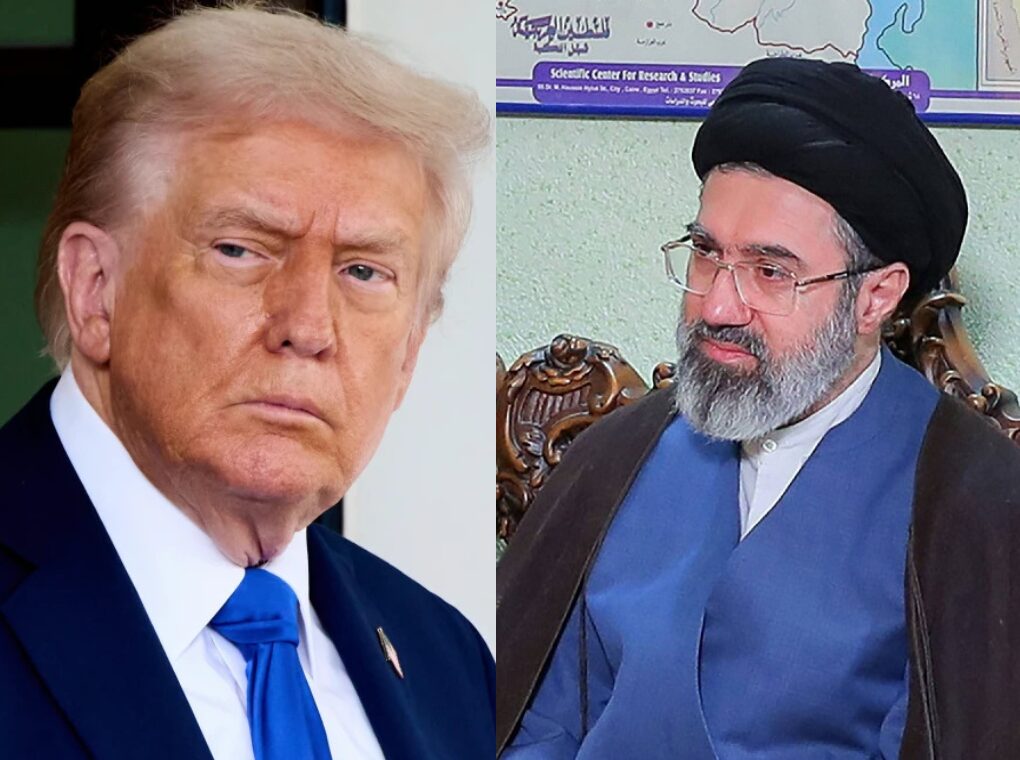
Tensions between the United States and Iran are once again escalating after reports emerged that US President Donald Trump is considering restarting military strikes on Iranian targets amid stalled negotiations and a weakening ceasefire agreement.
According to a report by Axios, Trump is reviewing military and naval options after rejecting Tehran’s latest conditions for a broader peace deal. The development comes just weeks after a fragile ceasefire temporarily halted one of the most dangerous confrontations between Washington and Tehran in recent years.
Trump Says Ceasefire is “On Massive Life Support”
Speaking on Sunday, Trump criticized Iran’s negotiating stance and warned that the current ceasefire arrangement may soon collapse.
“The ceasefire is on massive life support,” Trump reportedly said while dismissing Iran’s proposals as “totally unacceptable.”
US officials cited in the Axios report said Trump planned to meet with his national security advisers to discuss multiple military options, including resuming airstrikes and reviving “Project Freedom” — a maritime security operation intended to protect commercial shipping routes through the strategically critical Strait of Hormuz.
The Pentagon has reportedly identified dozens of additional targets inside Iran that were not struck during earlier operations. Sources familiar with the discussions claimed nearly 25% of the planned targets remain untouched and could be part of a renewed military campaign if diplomacy fails.
Strait of Hormuz Remains at Center of Crisis
The Strait of Hormuz continues to be the focal point of the standoff between Washington and Tehran. Roughly one-fifth of the world’s oil supply passes through the narrow waterway, making any military confrontation there a major global economic concern.
Project Freedom was initially designed to escort commercial vessels and ensure uninterrupted shipping traffic in the Gulf. However, Trump reportedly suspended the operation within 24 hours after diplomatic complications emerged.
According to reports, Pakistan requested a pause in the operation while attempting to mediate between the two sides. Meanwhile, another report by NBC News claimed the plan also faced setbacks after Saudi Arabia declined to allow the US military to use its airspace and bases for naval escort missions near Iran.
The hesitation from regional allies highlights growing fears across the Middle East that a renewed US-Iran conflict could rapidly spiral into a broader regional war.
Iran Refuses to Back Down
Iranian officials have signaled they are unwilling to compromise on several core demands, particularly regarding sanctions relief and control over strategic waterways.
Iran’s senior negotiator, Mohammad Bagher Ghalibaf, warned Washington that Tehran would not accept pressure tactics.
“The US has no alternative but to accept Iran’s terms,” Ghalibaf wrote on social media, adding that prolonged negotiations would only increase economic and military costs for Washington.
Iranian state media also rejected Trump’s demand for the shutdown of Iran’s nuclear facilities, describing it as “a non-starter that Iran has rejected for decades.”
Reports from Iranian broadcaster Press TV suggested Tehran’s conditions include:
- Complete removal of US sanctions
- Financial reparations for damages caused during the conflict
- A revised framework for the Strait of Hormuz recognizing Iran’s sovereign authority over the waterway
These demands are expected to face strong opposition from Washington and its regional allies.
CIA Assessment Raises Concerns
Adding to the pressure on the White House, a recent assessment reportedly cited by The Washington Post claimed Iran still maintains a significant portion of its military capabilities despite recent strikes.
The intelligence assessment suggested Tehran retains approximately 75% of its mobile missile launchers and nearly 70% of its missile stockpile. Analysts reportedly believe Iran could also withstand a US-led naval blockade for several months if necessary.
The findings have intensified debate inside Washington over whether additional strikes would weaken Iran or instead trigger a prolonged and costly regional conflict.
Global Markets Watching Closely
Any escalation in the Gulf could immediately impact global oil prices, shipping costs, and international trade routes. Energy markets remain highly sensitive to instability around the Strait of Hormuz due to its importance for crude oil exports from the Middle East.
Diplomatic observers warn that the collapse of negotiations could also deepen geopolitical divisions involving major powers such as China and Russia, both of which have maintained closer ties with Tehran in recent years.
For now, the future of the ceasefire remains uncertain as both Washington and Tehran continue exchanging warnings while preparing for possible escalation.