
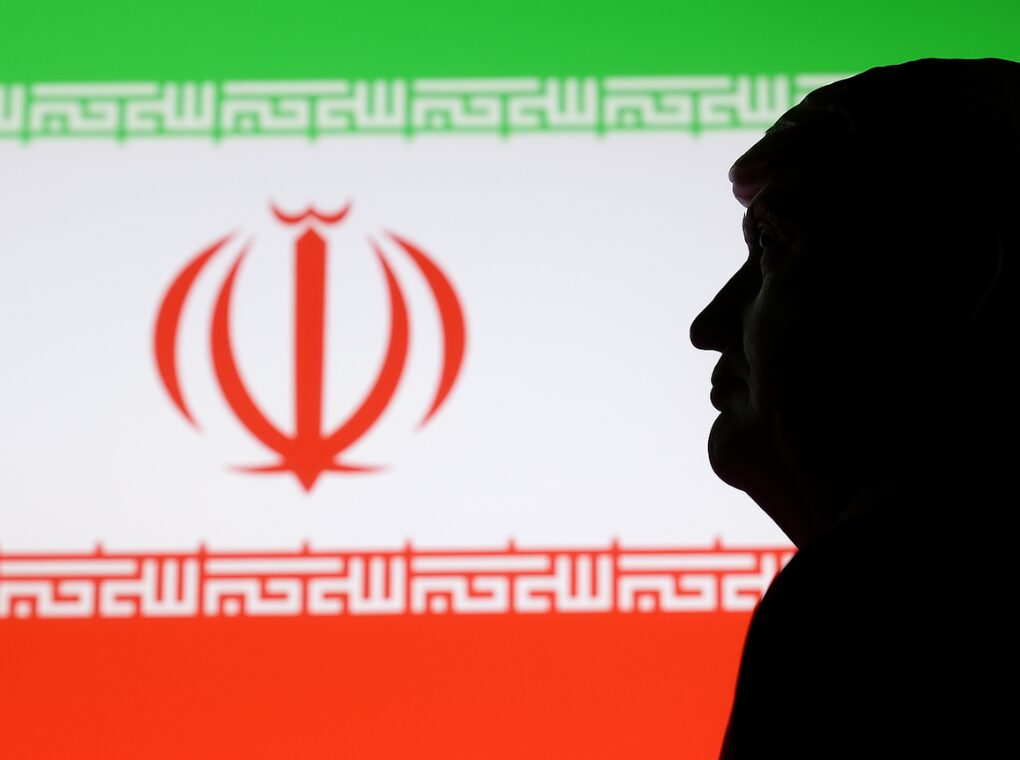
A newly signed 14-point Memorandum of Understanding (MoU) between the United States and Iran has triggered intense debate across global political circles, with Tehran hailing the agreement as a strategic victory while US President Donald Trump faces growing criticism at home.
The agreement, signed at the historic Palace of Versailles in France, comes after nearly 40 days of military conflict involving US and Israeli strikes on Iranian military sites, missile facilities, and key leadership targets. While Washington described the deal as a pathway toward regional stability, Iranian media and officials have framed it as proof that Tehran successfully resisted Western pressure.
Iran Claims Strategic Success
Iranian state-backed media outlets have portrayed the MoU as a diplomatic triumph, arguing that the United States has effectively recognized Iran’s sovereignty and abandoned its earlier push for regime change.
Point 2 of the agreement states that both Washington and Tehran will respect each other’s sovereignty and territorial integrity while refraining from interference in internal affairs.
This clause marks a major shift in US policy. During the initial stages of the conflict, President Trump had repeatedly called for political change in Iran, accusing the leadership in Tehran of destabilizing the region and oppressing its people.
However, with the signing of the MoU, the US has formally acknowledged the legitimacy of the same government it once sought to weaken.
Major Economic Gains for Tehran
One of the most controversial aspects of the agreement is the economic relief Iran is expected to receive.
According to the terms, Washington has agreed to ease sanctions, unfreeze billions of dollars in Iranian assets, and allow the immediate resumption of oil exports. Reports also suggest discussions around a reconstruction fund worth up to $300 billion.
For Tehran, these measures represent a major economic breakthrough after years of crippling sanctions.
Critics in Washington argue that Iran has secured substantial benefits while making limited concessions in return.
Nuclear Program and Missile Silence Raise Questions
The agreement reportedly includes Iran’s commitment not to develop nuclear weapons. However, analysts note that Tehran has made similar assurances in the past, making this pledge far from groundbreaking.
More importantly, the MoU reportedly does not include specific commitments regarding Iran’s ballistic missile program — one of the key triggers behind the recent conflict.
This omission has sparked concerns among US lawmakers and Israeli officials, who believe Iran may retain significant military capabilities despite the ceasefire.
Strait of Hormuz Becomes Global Concern
Another major flashpoint in the agreement is the future administration of the Strait of Hormuz, one of the world’s most important oil transit routes.
The MoU states that Iran and Oman will define the post-war administration of the strait over the next 60 days.
Iranian officials have hinted that new tolls and shipping restrictions may be introduced, potentially giving Tehran greater control over one of the world’s most critical energy corridors.
Any disruption or restrictions in the Strait of Hormuz could have serious consequences for global oil markets, increasing fuel prices and disrupting supply chains worldwide.
US Military Presence in Gulf Under Review
The agreement also suggests that US forces may move away from Iranian territory within 30 days of a final deal.
This has raised concerns among America’s Gulf allies, including Saudi Arabia and the United Arab Emirates, which rely heavily on US military presence as a deterrent against Iranian influence.
A reduced American footprint in the Gulf could significantly alter the region’s balance of power, potentially opening space for Iran, Russia, or China to expand influence.
Lebanon Clause Sparks Regional Alarm
Perhaps the most controversial part of the MoU is its mention of ending military operations in Lebanon.
Neither Lebanon nor Israel were directly involved in the negotiations, raising questions over how Tehran and Washington could make commitments regarding the conflict involving Hezbollah.
Israeli officials have reportedly expressed concern that the agreement may limit their military options against Hezbollah while strengthening Iran’s regional influence.
Trump Faces Political Risk at Home
The deal has deeply divided Trump’s political base, with supporters split over whether the agreement represents a diplomatic success or a strategic concession.
Political analysts have drawn comparisons with Woodrow Wilson, whose post-World War I agreements at Versailles faced fierce domestic resistance.
With 60 days of negotiations still ahead before a final peace agreement can be reached, uncertainty remains high.
Whether the MoU leads to lasting peace or sets the stage for another regional escalation remains one of the biggest geopolitical questions of 2026.