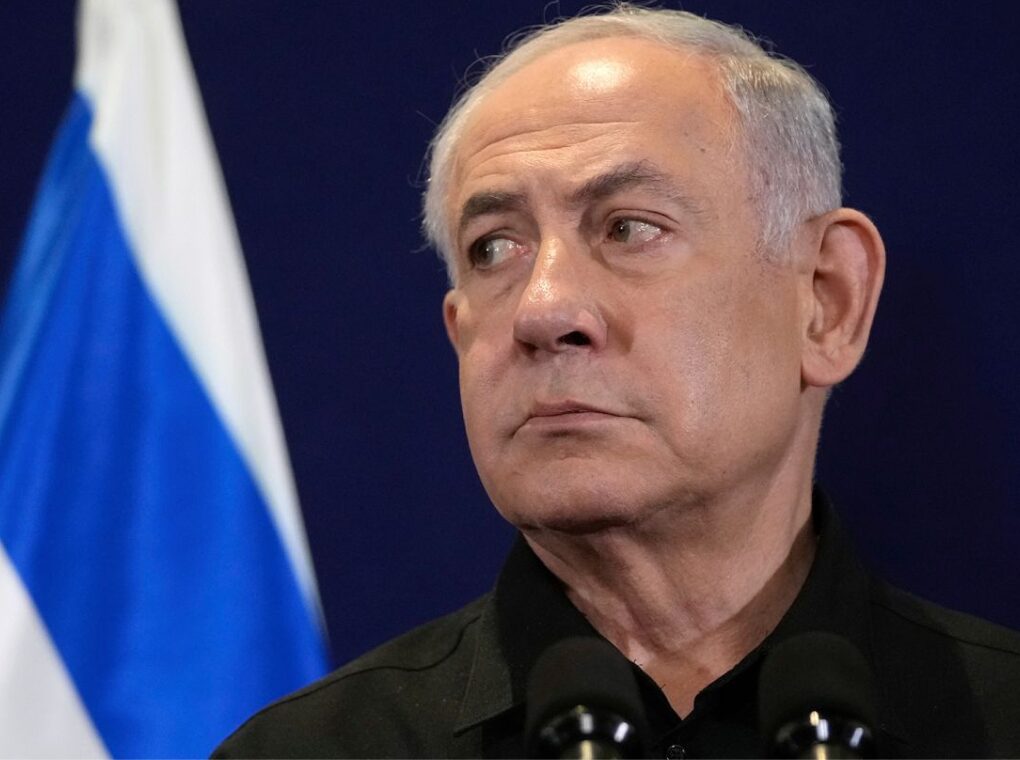
In a major shift in strategy, Benjamin Netanyahu and senior Israeli officials are now framing Iran’s financial resources—not its nuclear program or missile arsenal—as the country’s most dangerous strategic weapon.
Israeli leaders argue that billions of dollars in sanctions relief and the possible release of frozen Iranian assets could dramatically strengthen Tehran’s influence across the Middle East, fueling allied groups and expanding its regional footprint. This emerging financial front is becoming a central pillar of Israel’s campaign against the Islamic Republic.
Israel’s New Focus: Cutting Off Tehran’s Cash Flow
Israeli Defense Minister Israel Katz has publicly warned that allowing Iran access to frozen funds could bolster what Israel sees as a vast network of regional proxies, including armed groups operating in Lebanon, Syria, Iraq, and Yemen. Recent reports indicate that the ongoing U.S.-Iran negotiations include discussions on sanctions waivers and the controlled release of Iranian assets frozen abroad.
Israeli officials believe that even if the funds are officially earmarked for humanitarian purposes, the economic breathing room could indirectly free up Tehran’s internal budget for military spending and strategic operations.
The Battle Over Frozen Assets
At the heart of the dispute is roughly $12 billion in Iranian funds currently held overseas. Iranian officials insist the money belongs to Tehran and should be released without restrictions. Iranian diplomats have rejected claims that Washington would oversee how the funds are spent.
However, Israel remains deeply skeptical.
According to Israeli officials, the concern isn’t just about direct transfers but about what economists call “fungibility” — the idea that money freed for civilian purposes can allow governments to divert other resources into defense, intelligence, and proxy warfare.
U.S.-Iran Talks Complicate Israeli Strategy
The renewed diplomatic push between the United States and Iran has introduced fresh tensions with Israel.
Washington recently eased some sanctions as part of an interim understanding aimed at reducing hostilities and reopening pathways for nuclear inspections. Reports suggest this includes temporary oil export waivers and broader economic concessions.
For Israel, this raises alarm bells.
Prime Minister Netanyahu’s government has long argued that economic pressure is the most effective tool to limit Iran’s regional ambitions. Israeli officials fear that any easing of sanctions without strict enforcement could empower Tehran rather than moderate it.
A New Front in the Regional Power Struggle
For years, Israel’s primary focus has been Iran’s nuclear facilities and missile stockpiles. But this latest shift signals a broader strategic recalibration.
Instead of targeting only physical military capabilities, Israel now appears determined to attack what it sees as the financial backbone of Iran’s regional strategy.
Analysts say this could reshape the next phase of Middle East tensions, where banking restrictions, sanctions enforcement, and financial intelligence become just as critical as airstrikes or covert operations.
As U.S.-Iran diplomacy continues, the battle over Tehran’s money may prove to be one of the most consequential fronts in the wider Israel-Iran confrontation.