The uncomfortable topic of tradeoffs between supporting Ukraine and maintaining NATO allies’ national readiness is not a conversation Allied leaders prefer to have, especially in public. However, as NATO inches closer to a more direct role in the Ukraine War, this conversation has become increasingly necessary, despite its discomfort.
The timing and language of Stoltenberg’s appeal were prompted by Ukraine’s recent military setbacks and fears of further territorial losses due to Russia’s stronger-than-expected military advances and delays in US military assistance. At that time, many in the Alliance were anxiously awaiting the outcome of political negotiations over the US Congressional vote for the Ukraine Security Supplemental Appropriations Act.
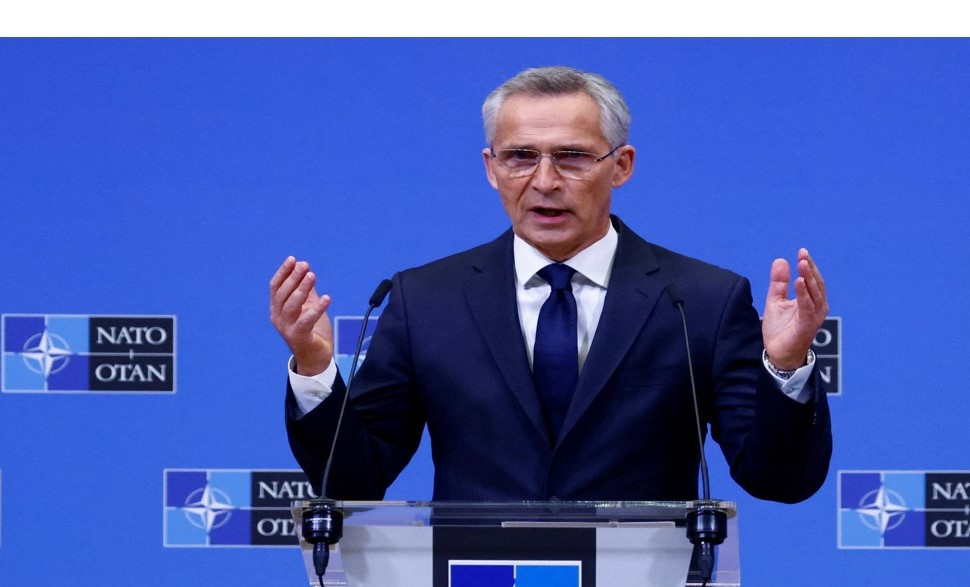
After the US Congress passed the Act in mid-April, Stoltenberg reiterated his message alongside Ukrainian President Volodymyr Zelenskyy in Kyiv. He emphasized that Allies should prioritize supporting Ukraine over meeting NATO’s national capability targets. He underlined this by stating, “Stocks can and will be replenished. Lives lost can never be regained.”
Stoltenberg’s comments address concerns from NATO members about the balance between meeting their national and alliance security commitments and supplying weapons and ammunition to Ukraine. The urgency of Ukraine’s situation has led to increased appeals for more air defense support as Russia intensified its attacks on Ukrainian energy and civilian targets.
Germany responded by pledging an additional Patriot battery, while Greece and Poland refused to send their systems, citing their own defense needs. Rumors that Spain would send a Patriot system did not materialize, and while Madrid pledged a dozen Patriot missiles, the actual systems remain in Turkey as part of a NATO mission.
Further announcements about additional air defense systems for Ukraine are expected, but European governments are hesitant to deplete their capabilities without assurances from the United States to backfill the systems. Air defense remains a critical vulnerability in NATO’s arsenal, leading to difficult decisions about when and which systems to provide to Ukraine. An internal NATO assessment found that Allies had only 5 percent of the air defense capacities needed to protect members in central and eastern Europe.
The Netherlands has taken a coalition approach, trying to assemble components and munitions from several European countries to provide at least one fully operational system this summer. However, European allies face significant challenges in meeting Ukraine’s requests, given their limited number of Patriot air defense systems.
Since Russia’s full-scale invasion of Ukraine began in February 2022, Allied leaders have emphasized that Ukraine’s security is intertwined with their own. As Russian offensives continued, some officials adopted stronger language, with Stoltenberg stating, “Ukraine is using the weapon we provided to destroy Russian combat capabilities. That makes us all safer.” Supporting Ukraine, he argued, is an investment in NATO’s own security.
While there is truth to this, Moscow has consistently surprised Western analysts with its resilience and ability to reconstitute losses. Russia’s increased hybrid activity since 2023 has also taken some allies by surprise. The Russian defense industry and economy are already on a war-time footing, while European arsenals and armed forces remain ill-prepared for potential future conflicts.
Efforts to grow Europe’s defense industrial capacity are still in development, and it will take years before they bear fruit. In the meantime, European capitals face tough questions about what they can afford to provide to Kyiv amidst a deteriorating European security landscape.
Compounding the issue are the long lead times required for defense production and uncertainty about Europe’s commitment to funding defense in the long term. The one-time ‘special’ defense funds announced after Russia’s 2022 invasion have largely been exhausted. Collective efforts to boost European defense capacity have been slow to progress.
As Ukraine’s needs continue to grow, European leaders will face increasingly difficult decisions about what to supply. NATO members must also meet new national capability targets set by NATO military authorities. Stoltenberg’s April comments, asking Allies to prioritize Ukraine’s security needs, reflect the complex and urgent challenges faced by the Alliance.
Despite criticism from the Zelenskyy government about the pace of weapon deliveries, future delays may stem from the depleted state of Western arsenals and the time required to rebuild them. Allies will need to navigate these challenges carefully to support Ukraine while ensuring their own security commitments are met.