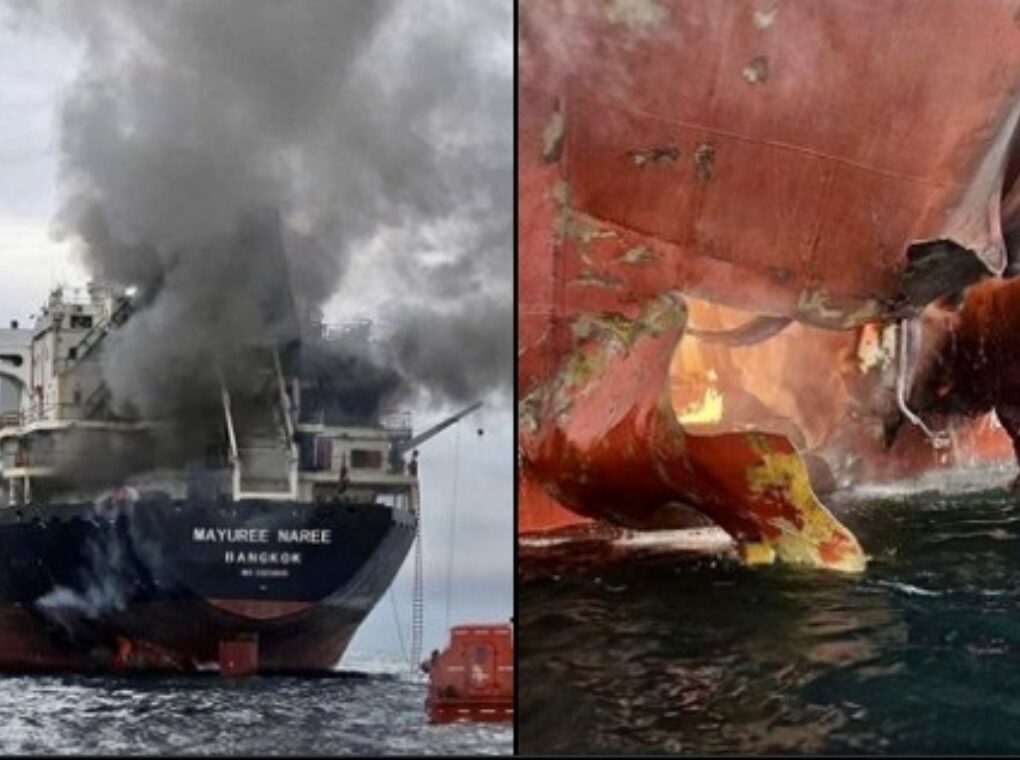
The ongoing geopolitical tensions linked to the Iran conflict have sent shockwaves across global energy markets, revealing deep structural weaknesses in the European Union’s energy strategy. What initially appeared to be a regional crisis has quickly evolved into a global supply disruption, with Europe facing some of the most severe economic consequences.
At the center of the crisis lies the strategic Strait of Hormuz—a critical maritime passage through which a significant portion of the world’s oil and refined fuel supplies transit. Any disruption in this region has immediate ripple effects across continents, but for Europe, the consequences are particularly acute.
A Supply Shock with Global Consequences
The partial or complete blockage of the Strait of Hormuz has triggered a sharp decline in available oil and refined products in international markets. According to global energy estimates, millions of barrels per day have been removed from circulation, creating one of the most significant supply shocks in modern history.
Unlike previous crises, the current disruption has affected not just crude oil but also essential refined products such as diesel and jet fuel. These fuels are critical for transportation, agriculture, and aviation—sectors that form the backbone of Europe’s economy.
Despite earlier assumptions that Europe’s limited dependence on Persian Gulf crude would shield it from major disruptions, the reality has proven otherwise. The EU relies heavily on the region for refined fuels, making it vulnerable to supply chain shocks.
Rising Prices and Economic Strain
The immediate impact of the crisis has been a surge in energy prices across European markets. Diesel costs have risen sharply in several countries, while airlines are grappling with soaring jet fuel prices. Major carriers, including Lufthansa, are reportedly considering operational cuts to manage fuel shortages and rising costs.
This surge in energy prices is cascading through the broader economy. Higher transportation and production costs are driving up food prices and consumer goods, contributing to inflationary pressures. Businesses, particularly small and medium enterprises, are struggling to absorb these rising costs, increasing the risk of economic slowdown.
The situation has raised concerns about a potential return of stagflation—a combination of stagnant economic growth and persistent inflation—which could further strain household incomes and government budgets.
EU Leadership Faces Mounting Pressure
European policymakers are now under increasing pressure to respond effectively to the crisis. Christine Lagarde, President of the European Central Bank, has warned that the long-term economic effects of the crisis remain uncertain and could exceed current expectations.
Meanwhile, Friedrich Merz has compared the potential economic burden to previous major crises, including the COVID-19 pandemic and the early stages of the Ukraine conflict.
Despite these warnings, critics argue that the EU’s response has so far focused more on short-term mitigation rather than structural solutions. Suggestions such as reducing fuel consumption or promoting remote work have been viewed as temporary measures rather than long-term strategies.
Policy Divisions Within Europe
The crisis has also exposed growing divisions within the EU over energy policy. Some leaders, particularly in Central and Eastern Europe, are advocating for a more pragmatic approach that includes reconsidering energy imports from Russia.
Hungary’s Prime Minister Viktor Orban and Slovakia’s Prime Minister Robert Fico have both called for reassessing existing energy restrictions to ensure stable supply and avoid deeper economic damage.
At the same time, political figures such as Alice Weidel have argued for prioritizing affordable energy sources to maintain industrial competitiveness. These positions, however, remain controversial within the broader EU framework, where energy policy is closely tied to geopolitical considerations.
A Strategic Turning Point
The Iran-linked energy crisis is increasingly being viewed as a turning point for Europe. It has highlighted the risks of over-reliance on complex global supply chains while simultaneously limiting access to closer energy sources.
As Asian markets compete aggressively for available fuel supplies, Europe risks being pushed to the back of the queue, further intensifying supply shortages and price volatility.
The situation underscores a broader challenge: balancing geopolitical objectives with economic realities. Europe’s long-term energy security will likely depend on diversifying supply sources, investing in domestic energy production, and accelerating the transition to renewable energy—while ensuring stability during the transition period.
The Iran war has done more than disrupt global energy markets—it has forced Europe to confront uncomfortable truths about its energy strategy. As the crisis unfolds, the EU faces critical choices that will shape its economic resilience and geopolitical position for years to come.
Whether through policy adjustments, diversification, or renewed diplomatic engagement, the path forward will require a careful balance between principle and pragmatism in an increasingly uncertain global energy landscape.