TFIGlobal
TFIGlobal
TFIPOST English
TFIPOST हिन्दी
No Result
View All Result
  • Indo-Pacific
  • Americas
  • Canada
  • Indian Subcontinent
  • West Asia
  • Europe
  • Africa
  • The Caribbean
TFIGlobal
  • Indo-Pacific
  • Americas
  • Canada
  • Indian Subcontinent
  • West Asia
  • Europe
  • Africa
  • The Caribbean
No Result
View All Result
TFIGlobal
TFIGlobal
No Result
View All Result
  • Indo-Pacific
  • Americas
  • Canada
  • Indian Subcontinent
  • West Asia
  • Europe
  • Africa
  • The Caribbean

China bought media and social media in every country that matters. But Japan stood as a proud exception

Akshay Narang by Akshay Narang
December 22, 2020
in Indo-Pacific
China, Japan, RCEP, TPP
Share on FacebookShare on X

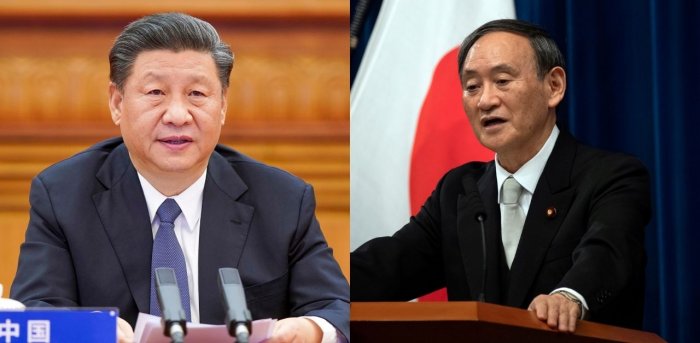
China wants to decide what the democratic world thinks about the Communist nation. Over recent years, the Chinese Communist Party has run a massive campaign to influence public opinion and media coverage about China in democratic countries across the world. Countries like India, Australia and the US have all been affected by Beijing’s propaganda blitz. But there is one country that remains immune from China’s campaign to influence media coverage. We are talking about Japan. 

Japan, which boasts of a palpable patriotic sentiment, seems unaffected by China’s propaganda blitz. In fact, you may see reports about China ‘training’ Indian journalists, or paying millions of dollars to American media firms for pushing China’s agenda. In Australia’s case, China has, of course, tried to infiltrate the country’s systems completely. But you will never hear a word about Japanese media getting trapped in malicious Chinese influence. 

Also Read

UN votes to redraw the world map – and Africa finally looks its true size

Wired to a Machine: The Hunt for the Leaker Inside America’s Iran war

Trump Renames Lake Ontario ‘Lake America’, and Google Has Already Redrawn the Map

What explains the Japanese media’s near-total immunity from the Chinese Communist Party? It seems that the Japanese media has maintained its integrity owing to the ubiquitous sense of patriotism that pervades every sphere of life in Japan. 

Japan has always had a sharp sense of nationalism and understanding of the threat posed by China. In the postwar era, however, Japanese nationalism remained highly subdued. An average Japanese was always proud of how his nation rebuilt itself after the Second World War. However, postwar Pacifism ensured that an average Japanese never expressed it in so many words. 

Even if you take a look at Japanese media houses, you will never see a very expressive sense of patriotism. Nonetheless, the latent patriotism in Japan is all-pervasive and influences even its media houses. 

But over the past one decade or so, Japanese nationalism has started rising all over again. The new wave of nationalism in Japan is partly attributable to former PM Shinzo Abe’s efforts to move his country away from the Pacifist era which is becoming somewhat anachronistic. 

There is a new wave of nationalism in Japan. And interestingly, this new sense of Japanese nationalism is at loggerheads with Chinese belligerence. In 2012, for instance, hundreds of Japanese citizens streamed into Tokyo’s shopping district Shibuya. They protested in front of the Chinese Embassy in a rare show of Japanese patriotism.

The liberal Western media has tried to vilify the rise of Japanese nationalism, but it has been unsuccessful thus far. Nevertheless, Japanese media may have given little space to such nationalist voices but it does get influenced with the way a new narrative is shaping up. 

And then the anti-China character of Abe’s ‘Japanese nationalism’ seems to have influenced Japan’s media deeply. And it continues to guide media opinion in Japan even after Abe’s retirement from active politics. Today, Japanese media is giving maximum coverage to how Tokyo is preparing itself against the Chinese military strength or for that matter how the Japanese military forces look to protect the Senkaku Islands against an intrusive Chinese PLA. 

The strong sense of Japanese nationalism, whether subdued or manifest, has therefore kept Japan’s media insulated from Chinese influence. Today, China is influencing mainstream and social media in every part of the free world but Japan stands as a proud exception. 

ShareTweetSend
Akshay Narang

Akshay Narang

Patriot, Political Analyst, International Relations expert

Also Read

A dramatic cyberwarfare illustration showing a shadowy hacker from China launching digital attacks from red-lit servers toward major US government, scientific and industrial facilities, with blue shields marking defended targets and red broken locks indicating compromised systems.

From Victims to Targets: US Quietly Edits Its Chinese Hacking Claims

August 30, 2026
A hooded hacker sits before multiple computer screens as images of the U.S. Capitol, NASA, federal institutions, servers and network data surround them, symbolising a Chinese-linked cyber-espionage hacking campaign targeting American government agencies.

Eight Years in the Dark: Chinese Hacking Campaign Reached NASA, the Fed, and the US Senate

August 27, 2026
A hypersonic glide vehicle streaks through the upper atmosphere as it launches a missile toward a US AWACS radar aircraft, with tanker and support aircraft flying in the distance above dramatic cloud cover.

China’s Hypersonic Gliders Can Now Shoot at Aircraft — And America’s Radar Planes Are the Target

August 25, 2026
A dramatic collage showing Hui Ka Yan in the foreground, Evergrande’s rise symbolised by a luxury skyscraper, car and stacks of cash, and China’s property crisis represented by unfinished buildings, rubble, displaced families and a prison cell. Evergrande founder life sentence

From China’s Richest Man to a Prison Cell: The Evergrande Founder’s Life Sentence Explained

August 24, 2026
A container ship sails through icy Arctic waters toward a snow-covered coastal port, surrounded by floating sea ice and towering mountains under a dramatic sunset.

A Ship Sails North, and the China-Russia Arctic Shipping Route Comes Alive

August 22, 2026
Conceptual illustration of Chinese data infrastructure feeding into a central artificial intelligence system, with glowing data streams spreading toward chatbots and users worldwide, symbolising China’s growing influence over AI training data and information ecosystems.

Explainer: How China Plans to Shape What the World’s AI Knows

August 22, 2026
Youtube Twitter Facebook
TFIGlobalTFIGlobal
Right Arm. Round the World. FAST.
  • About Us
  • Contact Us
  • TFIPOST – English
  • TFIPOST हिन्दी
  • Careers
  • Brand Partnerships
  • Terms of use
  • Privacy Policy

©2026 - TFI MEDIA PRIVATE LIMITED

Welcome Back!

Login to your account below

Forgotten Password?

Retrieve your password

Please enter your username or email address to reset your password.

Log In

Add New Playlist

No Result
View All Result
  • Indo-Pacific
  • Americas
  • Canada
  • Indian Subcontinent
  • West Asia
  • Europe
  • Africa
  • The Caribbean
TFIPOST English
TFIPOST हिन्दी

©2026 - TFI MEDIA PRIVATE LIMITED

This website uses cookies. By continuing to use this website you are giving consent to cookies being used. View our Privacy and Cookie Policy.