TFIGlobal
TFIGlobal
TFIPOST English
TFIPOST हिन्दी
No Result
View All Result
  • Indo-Pacific
  • Americas
  • Canada
  • Indian Subcontinent
  • West Asia
  • Europe
  • Africa
  • The Caribbean
TFIGlobal
  • Indo-Pacific
  • Americas
  • Canada
  • Indian Subcontinent
  • West Asia
  • Europe
  • Africa
  • The Caribbean
No Result
View All Result
TFIGlobal
TFIGlobal
No Result
View All Result
  • Indo-Pacific
  • Americas
  • Canada
  • Indian Subcontinent
  • West Asia
  • Europe
  • Africa
  • The Caribbean

Japan is set to crush China’s Senkaku dreams with its new strategy and Jinping can do nothing about it

Akshay Narang by Akshay Narang
December 18, 2020
in Indo-Pacific
Japan, Senkakus, China, Xi Jinping, Yoshihide suga
Share on FacebookShare on X

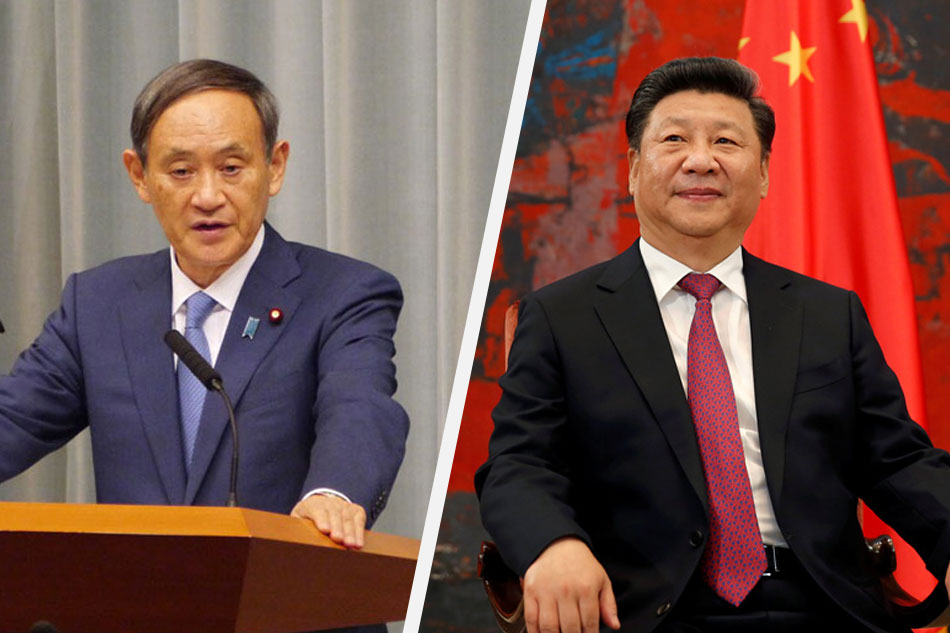
Xi Jinping should now think twice before launching an aggressive assault against Japan. For the past several months, the paper Dragon has sought to bully Tokyo in the waters surrounding Japan’s Senkaku Islands. This year China has made a record number of transgressions into Japanese waters. But now, the Yoshihide Suga administration is adopting an aggressive strategy which means that China might as well have to give up its Senkaku ambitions.

In fact, on Friday, Japan announced that it will develop new “stand-off” anti-ship missiles that can target enemy warships at greater distances. The latest announcement is aimed at Japan’s Southwestern Okinawa island chain, including the Senkaku Islands. Japan’s message is clear- if Chinese vessels keep intruding into our waters, they will be given a bloody nose and beaten back.

Also Read

US and China finalise $30 billion tariff-cut lists, but trade truce runs only to January 10

Stealth Secrets in Beijing’s Grip: China Holds F-35 Parts After Mystery Hong Kong Detour

Xi Purges His Last Two Top Generals As Nuclear Leak Claims Return

Japan’s Defence Minister Nobuo Kishi said, “The security environment around our southwestern islands has become harsh. We have to respond to that in an appropriate way.” With longer anti-ship missiles, Japan wants to push the anti-access area denial (A2AD) strategy, which aims to pushback external forces from operating in the maritime space close to the home territory.

Japan’s new anti-ship missiles will be based on a 200 km range truck-mounted anti-ship version already deployed on the Okinawa Islands. The new missiles will therefore be pointed against Chinese ships intruding into Japanese waters.

Japan is taking some major defence policy decisions, at a time when the Middle Kingdom shows no signs of exercising restraint in the East China Sea. While Chinese President Xi Jinping keeps urging Japan’s PM Yoshihide Suga to repair Sino-Japanese ties, Chinese intrusions into Japanese waters have become a regular feature.

Japan, however, showed no signs of relenting on the issue of Chinese intrusions into Japanese waters. Even when China’s Foreign Minister Wang Yi visited Japan in an attempt to fix a State visit for Xi Jinping to Tokyo, the Suga administration raked up the Senkaku issue.

Japan had purchased the Senkaku Islands from a private owner in the year 2012. Yet, Beijing keeps claiming the Japanese islands. Chinese vessels routinely intrude into Japanese waters and hover around the Senkaku islands for several days on a trot. Suga knows that China doesn’t intend to give up on its expansionist ambitions.

Therefore, Tokyo has also decided to acquire air-launched missiles to develop the pre-emptive capability of hitting missile sites in North Korea and cruise missiles for reaching ground targets in China.

Japan is also trying to put new powerful Aegis radars with at least three times the range of older Aegis systems. The new radars will be deployed on two new warships in order to effectively intercept any ballistic missile attack from North Korea or China.

Japan’s new military strategy is all about fully deterring the Chinese People’s Liberation Army (PLA). Tokyo has been already decoupling its economy from China, and now Suga is also pushing military aggression against the paper Dragon. The Suga administration is leaving nothing to chance in terms of defence preparedness. China’s Senkaku ambitions are thus all but crushed.


Tags: ChinaJapanSenkakusShort takesXi JinpingYoshihide Suga
ShareTweetSend
Akshay Narang

Akshay Narang

Patriot, Political Analyst, International Relations expert

Also Read

Chinese espionage network depicted through covert academic funding, with British researchers, university laboratories, surveillance technology and a concealed exchange of research materials.

How Beijing Paid British Academics to Build Its Spy Machine

October 2, 2026
Xi Jinping flanked by two Chinese military generals in a dark, tense political-military scene, with the Chinese flag, PLA troops, a missile launcher and shadowy US-China imagery in the background, symbolising a leadership purge and allegations of nuclear espionage.

Xi Purges His Last Two Top Generals As Nuclear Leak Claims Return

September 22, 2026
A dramatic cyberwarfare illustration showing a shadowy hacker from China launching digital attacks from red-lit servers toward major US government, scientific and industrial facilities, with blue shields marking defended targets and red broken locks indicating compromised systems.

From Victims to Targets: US Quietly Edits Its Chinese Hacking Claims

August 30, 2026
A hooded hacker sits before multiple computer screens as images of the U.S. Capitol, NASA, federal institutions, servers and network data surround them, symbolising a Chinese-linked cyber-espionage hacking campaign targeting American government agencies.

Eight Years in the Dark: Chinese Hacking Campaign Reached NASA, the Fed, and the US Senate

August 27, 2026
A hypersonic glide vehicle streaks through the upper atmosphere as it launches a missile toward a US AWACS radar aircraft, with tanker and support aircraft flying in the distance above dramatic cloud cover.

China’s Hypersonic Gliders Can Now Shoot at Aircraft — And America’s Radar Planes Are the Target

August 25, 2026
A dramatic collage showing Hui Ka Yan in the foreground, Evergrande’s rise symbolised by a luxury skyscraper, car and stacks of cash, and China’s property crisis represented by unfinished buildings, rubble, displaced families and a prison cell. Evergrande founder life sentence

From China’s Richest Man to a Prison Cell: The Evergrande Founder’s Life Sentence Explained

August 24, 2026
Youtube Twitter Facebook
TFIGlobalTFIGlobal
Right Arm. Round the World. FAST.
  • About Us
  • Contact Us
  • TFIPOST – English
  • TFIPOST हिन्दी
  • Careers
  • Brand Partnerships
  • Terms of use
  • Privacy Policy

©2026 - TFI MEDIA PRIVATE LIMITED

Welcome Back!

Login to your account below

Forgotten Password?

Retrieve your password

Please enter your username or email address to reset your password.

Log In

Add New Playlist

No Result
View All Result
  • Indo-Pacific
  • Americas
  • Canada
  • Indian Subcontinent
  • West Asia
  • Europe
  • Africa
  • The Caribbean
TFIPOST English
TFIPOST हिन्दी

©2026 - TFI MEDIA PRIVATE LIMITED

This website uses cookies. By continuing to use this website you are giving consent to cookies being used. View our Privacy and Cookie Policy.