TFIGlobal
TFIGlobal
TFIPOST English
TFIPOST हिन्दी
No Result
View All Result
  • Indo-Pacific
  • Americas
  • Canada
  • Indian Subcontinent
  • West Asia
  • Europe
  • Africa
  • The Caribbean
TFIGlobal
  • Indo-Pacific
  • Americas
  • Canada
  • Indian Subcontinent
  • West Asia
  • Europe
  • Africa
  • The Caribbean
No Result
View All Result
TFIGlobal
TFIGlobal
No Result
View All Result
  • Indo-Pacific
  • Americas
  • Canada
  • Indian Subcontinent
  • West Asia
  • Europe
  • Africa
  • The Caribbean

Abe had foreseen what China was capable of and his actions have forced Jinping to stay mum about Japan

Akshay Narang by Akshay Narang
April 21, 2021
in Indo-Pacific
China, Japan, Xi Jinping, Yoshihide Suga, Shinzo Abe,
Share on FacebookShare on X

Japan has been needling China at all possible levels. Tokyo has been modernising its defence preparedness with an eye on China, improving its relationship with the Association of Southeast Asian Nations (ASEAN) and also insisting on keeping Taiwan’s right to defend itself alive.

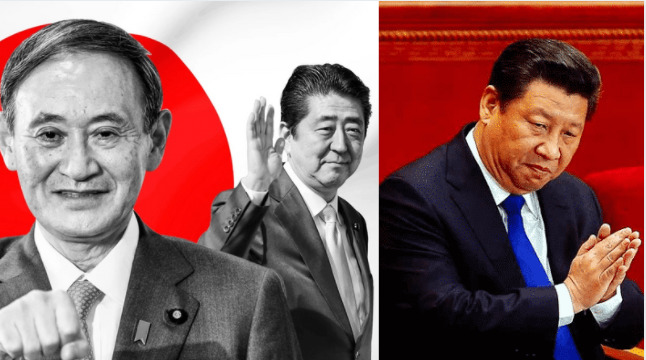
Yet, Chinese President Xi Jinping seems to exercise unusual restraint in face of growing Japanese intent to undermine Beijing’s interests. To be precise, Japan’s former Prime Minister Shinzo Abe was a true visionary, who calculated how to contain China meticulously. He may have taken retirement from active political life due to health reasons, but Abe’s policies continue to haunt China. In fact, his legacy is being carried further by the sitting Japanese Prime Minister, Yoshihide Suga.

Also Read

China’s missiles, drones and Robots in EU’s backyard. Is China Building a Military Foothold Inside Europe Through Serbia amid Brussels Frustration to counter Beijing?

“China a ‘cancer’ needs decisive treatment with chemotherapy rather than temporary relief with morphine,” EU foreign Policy chief Kallas Controversial remark — Diplomatic Disaster or Hard Truth?

US, China, and Russia Trying to Divide Europe. Kaja Kallas warns, “They Don’t Like the EU”

China’s usual reaction to geopolitical provocations is usually quite sharp, both in terms of words and actions. Generally, Chinese Foreign Ministry spokespersons make objectionable and unnecessarily violent remarks as a part of their wolf-warrior diplomacy.

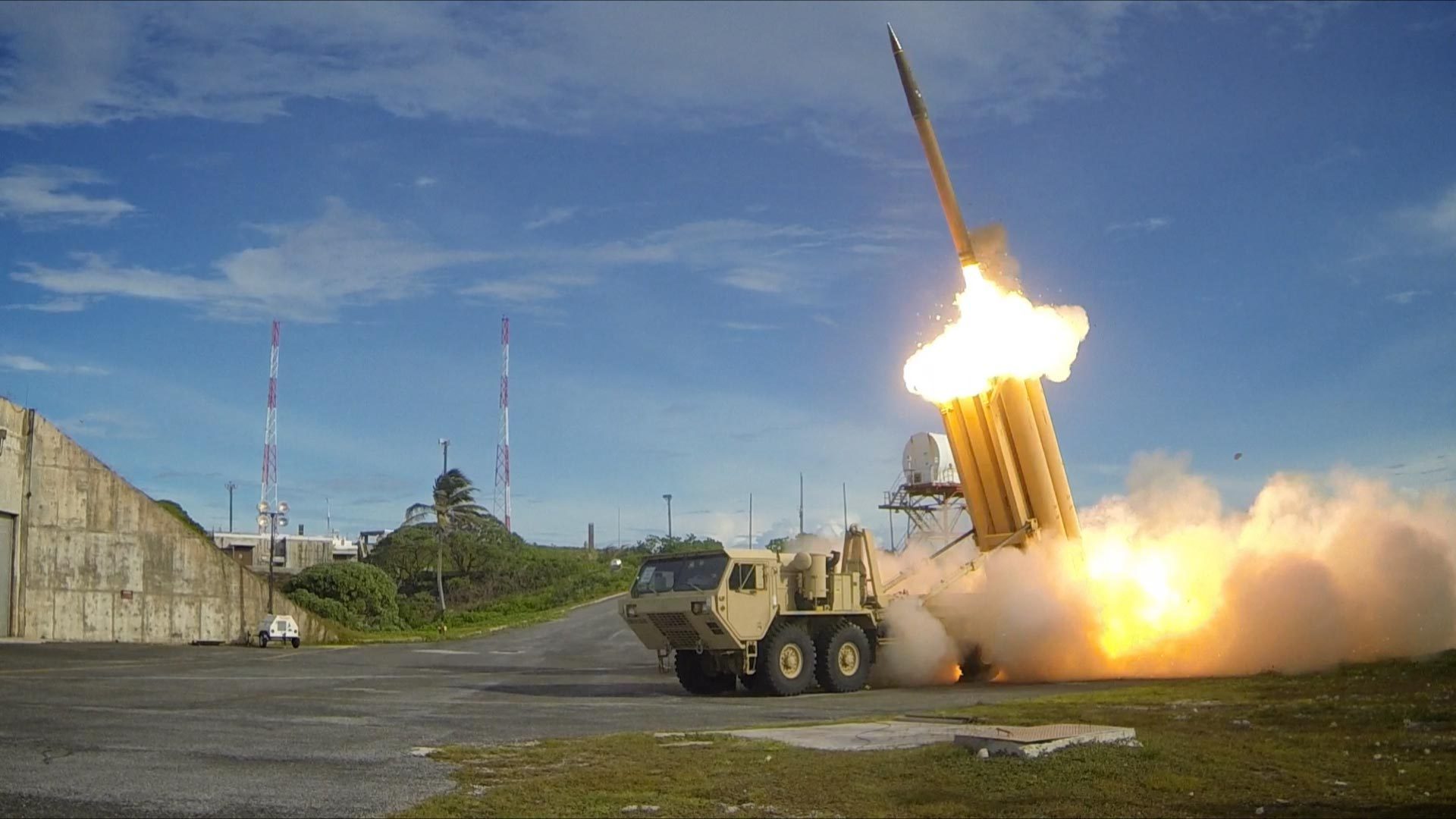
Moreover, the Chinese government reacts with retaliatory actions, when provoked by a regional rival. Take, for instance, South Korea. When Seoul decided to deploy the U.S.-developed Terminal High Altitude Area Defense (THAAD) missile shield in 2016, Beijing started squeezing travel to South Korea and putting restrictions on famous Korean entertainment. China had even started boycotting South Korean products.
China, Japan, Xi Jinping, Yoshihide Suga, Shinzo Abe,
[PC:Wikipedia]
But Japan’s case is different. China has noticed how Japan has forced Biden to keep the Taiwan issue alive and even managed to extract a joint statement on the issue of Chinese aggression against Taiwan. Yet, China’s reaction has been very lukewarm. Xi made an indirect reference and did not even name Japan. He said, “Bossing others around or meddling in others’ internal affairs would not get one any support.”

Also, impractical threats from loudmouthed Chinese officials are conspicuously missing. The only visible reaction came from Global Times, a Chinese Communist Party (CCP) mouthpiece, which stated, “We advise Japan to stay away from the Taiwan question.” It added, “The deeper it is embroiled in, the bigger the price it will pay.”

China is clearly forced to exercise restraint even in face of Japan’s aggressive diplomacy. Actually, there is little that China can do to harm Japan. Throughout his tenure, Shinzo Abe ensured that Japan-China relations are drafted in a way that Beijing enjoys absolutely no leverage over Tokyo.

Even last year, when China started turning belligerent, Abe foresaw the need to pull Japanese manufacturing companies out of China. In fact, last year, Tokyo paid as many as 87 of its companies to shift production out of China and relocate either back home or into Southeast Asia. Just in the nick of time, Abe reduced Japan’s overreliance on manufacturing in China drastically.

Abe had then earmarked $2.2 billion in Japan’s coronavirus economic recovery package to subsidise the relocation of Japanese manufacturers out of China. The effect of the move has been such that the Suga government in Japan now enjoys wide leverage over Beijing. The moment China makes any move to hurt Japan, Suga can easily move more Japanese companies out of China to hurt the paper dragon.

Read More: The Japanese Prime Minister came to the US and successfully made Biden follow Trump’s Taiwan policy

Also, the Japan-China trade relations are more or less balanced. As such, Japan does not enjoy any trade surplus over China. Beijing will never have the option of cutting down on imports from Japan, without suffering proportionate damage.

Also, in its present shape, China cannot afford to hurt Japan. Actually, China needs Japan. Chinese President Xi Jinping has been begging foreign investors to choose China as their destination. Xi is actually hungry for foreign investments, and, therefore, he cannot afford to annoy Tokyo.

Actually, Japan is China’s third-largest source of foreign investment. In case, China tries to wage economic warfare against Japan, it will have to remain ready for losing out on even more foreign investments.

Abe has, therefore, left Japan-China relations at a level where Beijing will only do more than good to itself, by making any attempts to punish Japan in economic terms. Abe’s foresight is thus forcing Xi to remain mum, even as Japan keeps needling China on key issues.


Tags: ChinaJapanShinzo AbeShort takesXi JinpingYoshihide Suga
ShareTweetSend
Akshay Narang

Akshay Narang

Patriot, Political Analyst, International Relations expert

Also Read

Ink Still Wet: How the PLA Began Dismantling Tibetan Society Before the Seventeen-Point Agreement Was Implemented

Ink Still Wet: How the PLA Began Dismantling Tibetan Society Before the Seventeen-Point Agreement Was Implemented

May 22, 2026
China-Pakistan Military Nexus Exposed: Beijing Admitted to Helping Pakistan Air Force Against India During Operation Sindoor

China-Pakistan Military Nexus Exposed: Beijing Admitted to Helping Pakistan Air Force Against India During Operation Sindoor

May 8, 2026
Great Nicobar Mega Project: How India Could Reshape Indo-Pacific Power and Challenge China’s Malacca Strategy

Great Nicobar Mega Project: How India Could Reshape Indo-Pacific Power and Challenge China’s Malacca Strategy

May 3, 2026
Thailand Accelerates Ambitious Landbridge Project Amid Hormuz Crisis: A Strategic Bypass for Global Shipping Routes

Hormuz crisis Spurs Thailand to Accelerate Ambitious “Landbridge Project”: A Strategic Bypass for Global Shipping Routes to Strait of Malacca

April 21, 2026
China’s Top General Detained Amid Unprecedented Military Leadership Purge

China’s Most Powerful General Falls: Xi’s Massive PLA Purge Shocks Beijing

January 26, 2026
"Mullahs Must Leave": Iran Erupts in Biggest Protests as Inflation Hits 42%

“Mullahs Must Leave”: Iran Erupts in Biggest Protests as Inflation Hits 42%

December 30, 2025
Youtube Twitter Facebook
TFIGlobalTFIGlobal
Right Arm. Round the World. FAST.
  • About Us
  • Contact Us
  • TFIPOST – English
  • TFIPOST हिन्दी
  • Careers
  • Brand Partnerships
  • Terms of use
  • Privacy Policy

©2026 - TFI MEDIA PRIVATE LIMITED

Welcome Back!

Login to your account below

Forgotten Password?

Retrieve your password

Please enter your username or email address to reset your password.

Log In

Add New Playlist

No Result
View All Result
  • Indo-Pacific
  • Americas
  • Canada
  • Indian Subcontinent
  • West Asia
  • Europe
  • Africa
  • The Caribbean
TFIPOST English
TFIPOST हिन्दी

©2026 - TFI MEDIA PRIVATE LIMITED

This website uses cookies. By continuing to use this website you are giving consent to cookies being used. View our Privacy and Cookie Policy.