TFIGlobal
TFIGlobal
TFIPOST English
TFIPOST हिन्दी
No Result
View All Result
  • Indo-Pacific
  • Americas
  • Canada
  • Indian Subcontinent
  • West Asia
  • Europe
  • Africa
  • The Caribbean
TFIGlobal
  • Indo-Pacific
  • Americas
  • Canada
  • Indian Subcontinent
  • West Asia
  • Europe
  • Africa
  • The Caribbean
No Result
View All Result
TFIGlobal
TFIGlobal
No Result
View All Result
  • Indo-Pacific
  • Americas
  • Canada
  • Indian Subcontinent
  • West Asia
  • Europe
  • Africa
  • The Caribbean

South Korea declares China “the biggest threat to its economy”

Kanika Batra Arora by Kanika Batra Arora
July 12, 2022
in Geopolitics, Indo-Pacific, Japan
South Korea declares China “the biggest threat to its economy”
Share on FacebookShare on X

COVID-19 outbreak and the US-China trade conflict have amply demonstrated how dependent on China the global supply chains are. This dependence is now giving South Korea real anxiety. South Korean firms have named China as one of the regions where supply chain disruptions are most alarming. And therefore, South Korean businesses publicly claim that China is the largest economic threat to their country.

Widespread trade and economic ties between China and South Korea in contemporary times define their relationship. China is by far South Korea’s largest trading partner; in 2018, China imported items from South Korea worth $160 billion, or 26% of the country’s total exports. In 2018, $107 billion worth of South Korea’s imports arrived from China as well.

Also Read

The 1,000-Mile Kill Shot: America’s New Missile Plan Puts China in Its Sights

Ten Missiles, One Message: North Korea Rebuffs Trump as Joint Drills End

Dead in the Water: USS Benfold Adrift for Four Days in the South China Sea

South Korea’s deep reliance on China

China is more dependent on South Korea for raw materials and semi-finished products than any other economic giant like US and Japan. In 2020, China accounted for about 29.3% of the material parts imported by South Korea. South Korea’s import reliance is most pressing in four industries crucial to the 21st century, namely the production of semiconductors, large-capacity batteries, rare earth metals, and medical supplies.

In these four industries, its reliance on China is even greater than that of Japan and the US, but the risk was greatest for large-capacity batteries because, in 2020, South Korea imported 93.3% of its supply from the mainland, compared to Japan’s 66.1% and the US’s 43.4%.
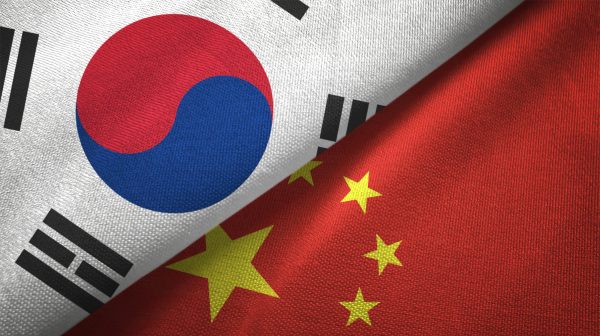
South Korea's Relations With China and the US Under President-elect Yoon – The Diplomat
Source- The Diplomat

You see, manufacturers in South Korea are importing more essential industrial raw materials from China. This pervasive reliance on China’s supply chain has raised growing concerns about how much the expansion of Asia’s fourth-largest economy depends on its next-door giant. According to a study by a significant Korean economic organization, South Korea’s top industrial companies also feel unprepared for a new supply-chain crisis, with many forecasting that the situation would get worse over the course of the rest of the year.

“Demand for cheap Chinese products is so common in Korea,” said a steel industry official. “Some industries could collapse without the supply of Chinese products.”

The vulnerability of supply chain interruption from China was made abundantly plain when, last year, South Korea experienced a diesel exhaust fluid (DEF) shortage as a result of China’s ban on exports of urea, a crucial component of the liquid used to reduce pollution from gasoline engines.

Anti-China sentiments among South Koreans

Even South Koreans view the situation as less favorable to China than before. According to a Pew Research Center survey issued this month, South Koreans’ disapproval of China has hit an all-time high of 80%, up from 62% in 2018.

Seeing this resentment among the South Koreans, recently Beijing’s top envoy to Seoul has urged South Korean media to focus less on negative news against China.
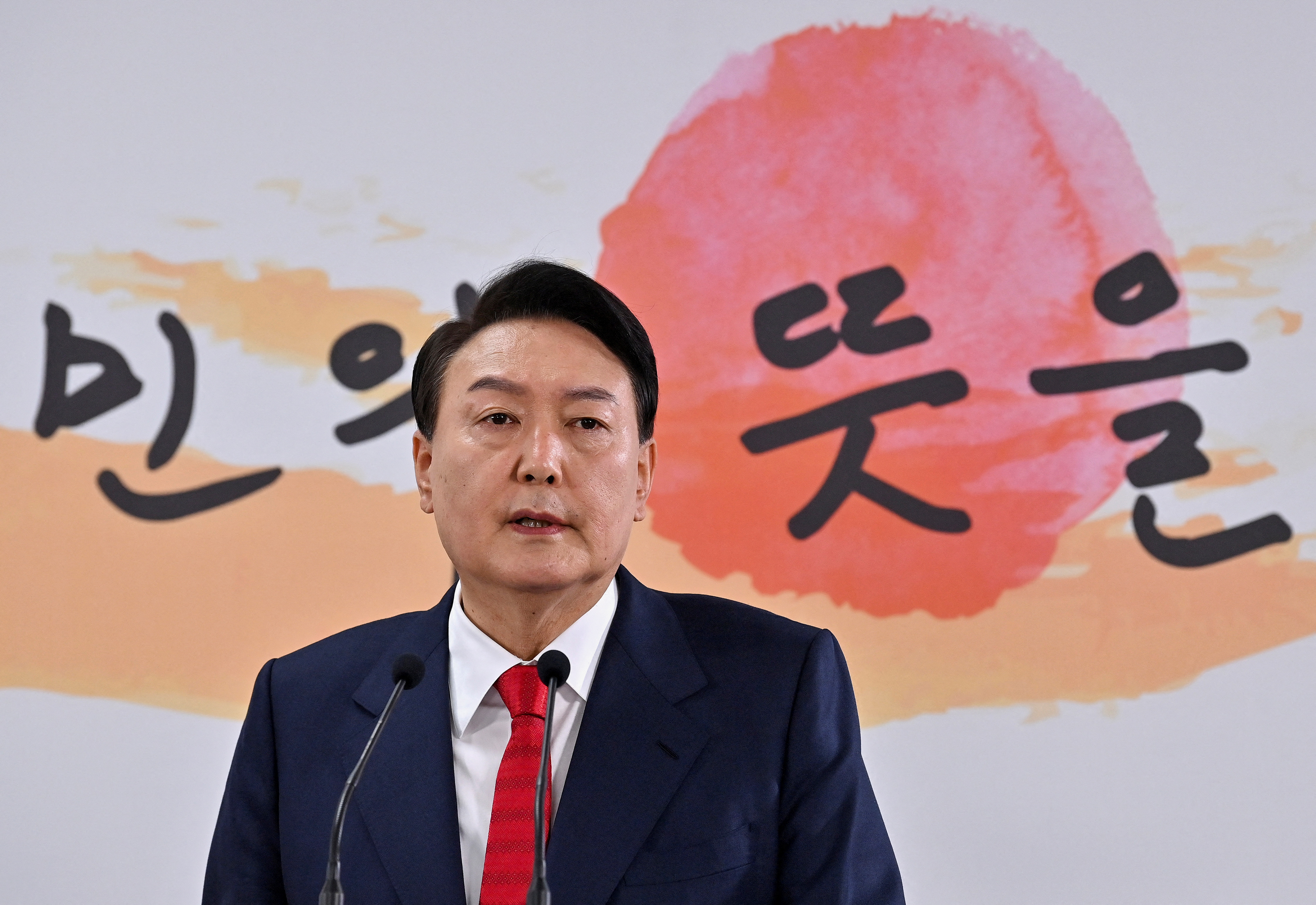
South Korea president-elect's team visits U.S. with eye on early Biden summit | Reuters
Source- Reuters

“I hope that South Korean media will look at China with ‘two eyes’, not only focusing on the negative side, but also on the positive side”, said the Beijing envoy.

“The press should play its role well to quash rumors and disseminate truth and become sources of reliable information”, he further added.

Read more: Japan will now help every Asian country to de-Sinicize its supply chains

South Korea has also been making moves to stride away from China. For instance, South Korea is planning to make a formal application to join the Comprehensive and Progressive Agreement for Trans-Pacific Partnership (CPTPP). This trade group is signed by nations from the Asia-Pacific region as well as North and South American economies. The trade bloc will be extremely beneficial to South Korea. The annual gains are projected to be USD 86 billion.

Therefore, China is becoming restless as South Korea decides to sever its links with China and diversify its supply chains and is therefore attempting to calm South Korea by pushing the media to portray positive views in favour of China.

Tags: ChinaIndo-PacificShort takesSouth Korea
ShareTweetSend
Kanika Batra Arora

Kanika Batra Arora

Associate Editor at TFIGlobal. An artist by god's grace, geopolitics enthusiast, sapiophile.

Also Read

President Donald Trump signs an order in the foreground as Lake Ontario and the Toronto skyline appear behind him, with American and Canadian flags symbolising the escalating dispute over the lake's name and US-Canada relations.

Trump Renames Lake Ontario ‘Lake America’, and Google Has Already Redrawn the Map

August 31, 2026
A dramatic nighttime scene showing a US warship facing a large oil terminal engulfed in flames, with explosions, thick black smoke, fighter jets, and missiles streaking across the sky above the sea after strikes

Trump Posts AI Video of Kharg ‘Blown to Smithereens’ as US and Iran Trade Fire

August 31, 2026
A dramatic scene showing the flags of Turkey, Saudi Arabia and Pakistan above military aircraft, soldiers and air-defence systems, as a large Saudi-style oil refinery burns in the background. Three leaders stand in the foreground watching the unfolding crisis.

Turkey, Saudi Arabia and Pakistan Open First Defence Pact Talks as Saudi Refineries Burn

August 31, 2026
A nighttime protest riot in Jakarta, with demonstrators facing riot police amid tear gas and water cannon spray as a guard post and motorcycles burn nearby.

Fire, Tear Gas, and 322 Detained: Jakarta’s Anti-Corruption Protest Ends in a Riot

August 31, 2026
A dramatic cyberwarfare illustration showing a shadowy hacker from China launching digital attacks from red-lit servers toward major US government, scientific and industrial facilities, with blue shields marking defended targets and red broken locks indicating compromised systems.

From Victims to Targets: US Quietly Edits Its Chinese Hacking Claims

August 30, 2026
A dramatic geopolitical oil scene showing an oil refinery and pumpjack, the US Capitol, Venezuelan mountains and flag imagery, and a large oil tanker at sea, symbolising the US–Venezuela oil deal.

Trump’s Venezuela Oil Deal: 65 Billion Barrels, a 100-Year Lease, and a Country Divided

August 30, 2026
Youtube Twitter Facebook
TFIGlobalTFIGlobal
Right Arm. Round the World. FAST.
  • About Us
  • Contact Us
  • TFIPOST – English
  • TFIPOST हिन्दी
  • Careers
  • Brand Partnerships
  • Terms of use
  • Privacy Policy

©2026 - TFI MEDIA PRIVATE LIMITED

Welcome Back!

Login to your account below

Forgotten Password?

Retrieve your password

Please enter your username or email address to reset your password.

Log In

Add New Playlist

No Result
View All Result
  • Indo-Pacific
  • Americas
  • Canada
  • Indian Subcontinent
  • West Asia
  • Europe
  • Africa
  • The Caribbean
TFIPOST English
TFIPOST हिन्दी

©2026 - TFI MEDIA PRIVATE LIMITED

This website uses cookies. By continuing to use this website you are giving consent to cookies being used. View our Privacy and Cookie Policy.