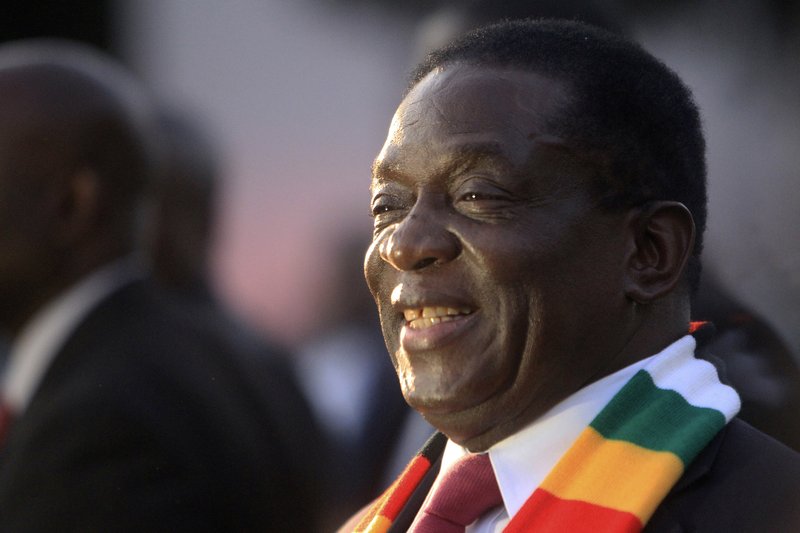
Zimbabwe gold coins: Zimbabwe has implemented rules which allow the government to collect mining royalties partly in the form of minerals. President Emmerson Mnangagwa stated that the state is going to begin collecting half of the royalties of gold, diamond, and platinum mining in minerals to develop Zimbabwe’s reserves. The rest of the royalty would be received in cash.
A government notice stated, “Royalties remitted to the Zimbabwe Revenue Authority in respect of gold and those minerals specified shall be paid on the basis of 50% in kind.”
The notice further added that the royalties’ cash component would constitute 40% Zimbabwean dollars and 10% foreign currency. So, you see what did Zimbabwe just do with the American Dollar? It simply rejected it!
What is mining royalty?
Make no mistake, royalty is a fee that is levied by governments on the funds and profit earned from the minerals produced at a mine. Mineral royalty is a universal concept. It is a payment made by the mineral producer to the mineral rights holder for the extraction of valuable and non-renewable natural resources. Royalty is one of the significant sources of revenue for the government.
Zimbabwe introduced gold coins
Now, we at TFI earlier explained that Zimbabwe’s currency is the weakest in Africa as it lost more than two-thirds of its value against the dollar. The southern African nation is amidst a severe financial crisis as inflation, unemployment, low productivity and deterioration of the currency are prevalent.
Keeping this in mind, Zimbabwe decided to use gold in its fight against inflation which will facilitate curbing its reliance on US dollars. Since gold is widely considered an inflation hedge, the plan of the government is to reduce the dependence of the domestic economy on dollars. Therefore, it is working towards pegging its currency to gold.
Zimbabwe initiated the idea of using gold as a medium of exchange. The governor of the Reserve Bank of Zimbabwe stated, “The Reserve Bank of Zimbabwe Monetary Policy Committee (MPC) resolved to introduce gold coins into the market as an instrument that will enable investors to store value.”
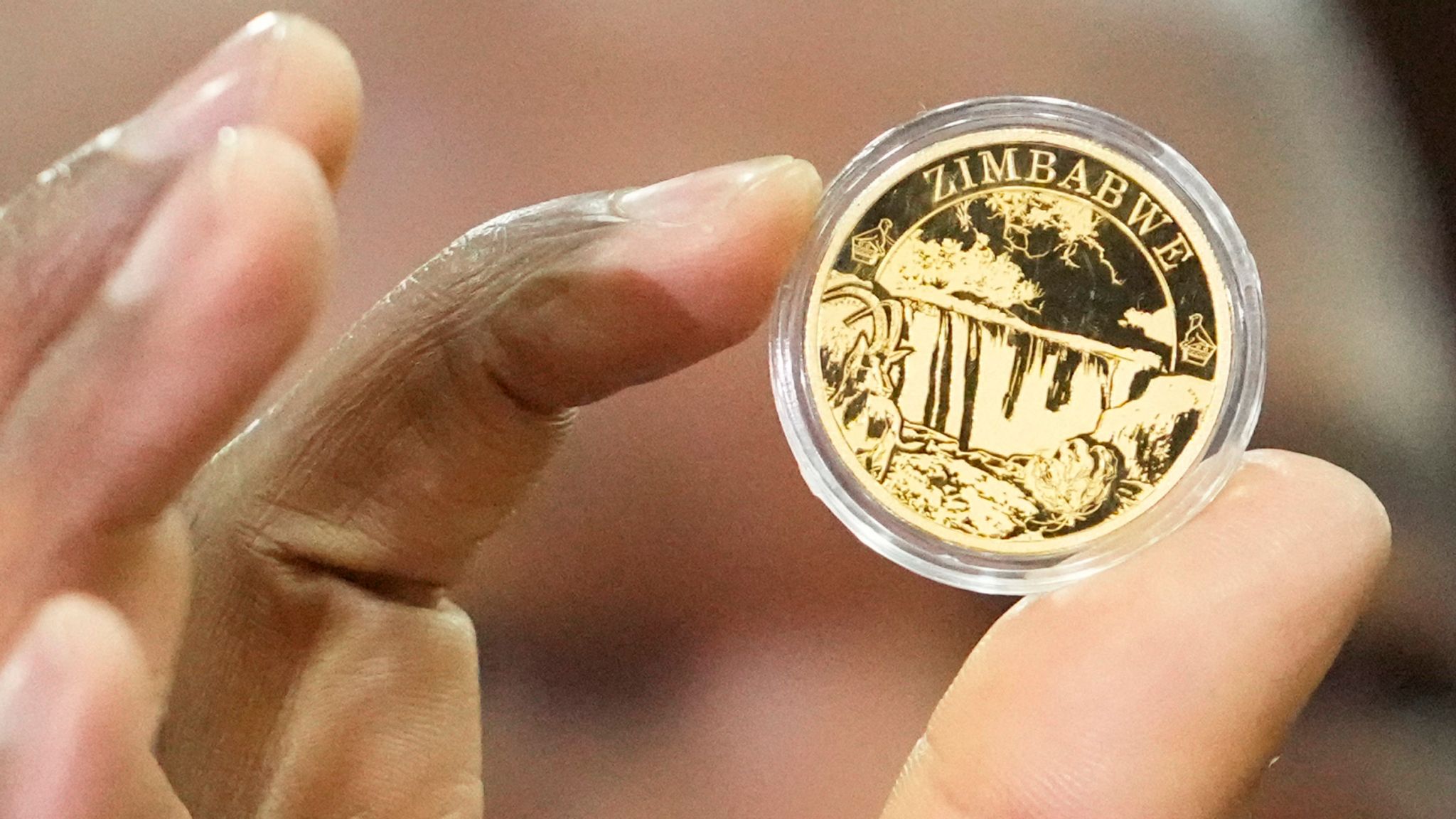
He added, “The gold coins will be minted by Fidelity Gold Refineries (Private) Limited and will be sold to the public through normal banking channels.”
The response by investors in the Zimbabwe regarding the introduction of gold coins was positive. Batanai Matsika, the head of research for stockbroking firm Morgan & Co, said that the decision will help the investors in the market.
How have sanctions impacted the economy?
Now, the US and Europe have imposed sanctions on Zimbabwe for decades, which have had drastic repercussions on the economy as they restricted its access to the international financial market.
For example, the owner of Imperial Refrigeration, a Zimbabwean company, needed to import equipment for which he had to pay in US dollars, However, an American law called Zimbabwe Democracy and Economic Recovery Act (ZIDERA), prohibits international lenders from working with Zimbabwe. So, the Zimbabwean businessman couldn’t import the desired equipment. This is how the US is killing the Zimbabwean economy day by day.

The American law ZIDERA has imposed strict penalties on those companies which do business with Zimbabwean companies. This is a major reason why there is a limited supply of dollars in Zimbabwe.
American sanctions have led the country to face losses of more than $100 billion in grants and loans from financial institutions like the African Development Bank, the IMF etc.
Conclusion
However, in light of the recent developments regarding the adoption of gold coins as a medium of exchange and the implementation of a new royalty-collecting regime, Zimbabwe has shown to the US that enough is enough!
Zimbabwe has realised that relying on the West will further complicate its economic problems, hence it is employing constructive ideas and taking decisions which will end the dominance of the US in its economy. Zimbabwe has set an example for all African nations looking forward to ending the US dominance in their domestic affairs.
https://www.youtube.com/watch?v=ovX4xngJxWs