Russia has approved a major oil infrastructure project in the Democratic Republic of Congo (DRC), marking a new phase in its energy and geopolitical engagement in Africa. A senior Federation Council official confirmed that the agreement establishes a joint company, with Moscow retaining a controlling stake, to develop and manage a strategic oil pipeline.
The deal, involving Russian state-backed energy firms and Congolese partners, will facilitate the construction of a crude oil pipeline intended to boost production, transport, and export capacity from the DRC—a country rich in natural resources but plagued by chronic underdevelopment and logistical challenges.
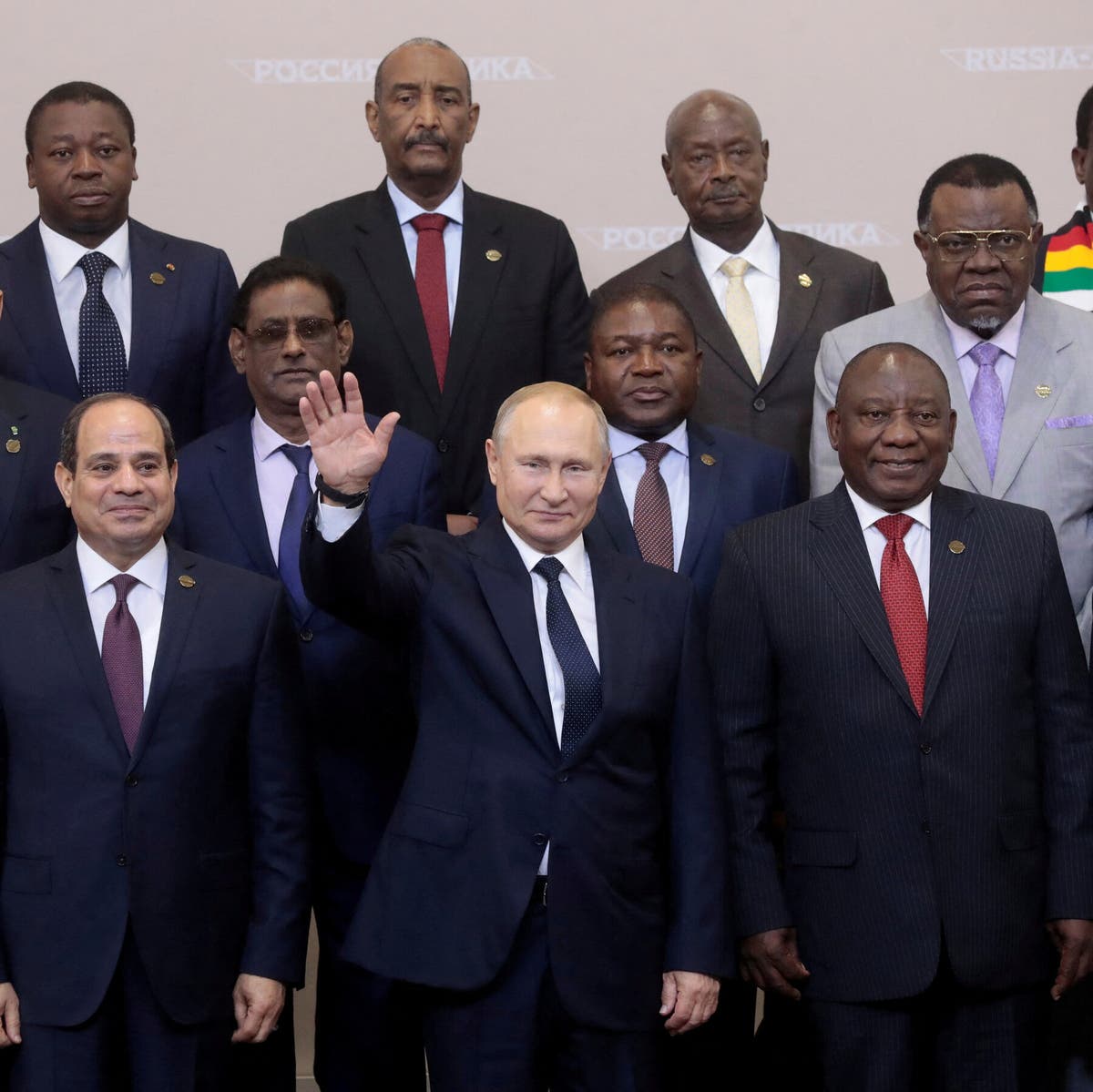
The pipeline, while still in the planning stages, is seen as a flagship project for Russia’s growing role on the continent. It also underscores the Kremlin’s broader push to strengthen energy ties with African nations amid Western sanctions and shifting global alliances.
Russia’s Strategic Aims
Russia’s goals are both economic and geopolitical. With its traditional markets in Europe increasingly closed due to sanctions and political tensions, Moscow is aggressively seeking new outlets for energy cooperation and investment in the Global South.
Key Russian objectives include:
1. Diversifying energy partnerships beyond traditional markets.
2. Securing long-term access to African oil reserves to offset declining revenues from Europe.
3. Enhancing its political influence in Africa as part of a multi-polar world order.
4. Countering Western dominance in international development institutions by offering infrastructure, investment, and military support with fewer political conditions.
The project also gives Russia a foothold in Central Africa’s strategic energy corridor, which could eventually link to other regions, including East African ports.
What’s in It for Africa?
For the DRC and potentially neighboring African nations, the venture promises several potential benefits:
Infrastructure development: The pipeline could become a critical piece of infrastructure, supporting domestic energy distribution and boosting export capacity.
Foreign investment: Russian funding and technology could accelerate the development of underexploited oil reserves.
Job creation and local industry growth: The construction and operation phases are expected to create thousands of jobs.
Greater geopolitical leverage: African nations may be able to play competing global powers against each other to secure better terms and diversified partnerships.
However, critics warn that without proper governance and oversight, the benefits could be unevenly distributed, and environmental risks may go unchecked.
Western Concerns
The West is closely monitoring Russia’s deepening presence in Africa, particularly in strategic sectors like energy, mining, and defense. The United States, the European Union, and former colonial powers such as France have increased diplomatic and financial engagement with African nations to counter Moscow’s influence.
Possible Western responses include:
Strengthening partnerships through G7 infrastructure initiatives, such as the Partnership for Global Infrastructure and Investment (PGII), aimed at competing with Russian and Chinese projects.
Expanding military and counter-terrorism support to African governments to solidify influence.
Promoting “values-based” aid and trade deals, emphasizing transparency, environmental protection, and human rights.
But many African leaders have expressed growing frustration with Western conditionality and are increasingly open to deals with Russia, China, and other non-Western powers that offer quicker results and fewer strings attached.
While the pipeline venture is still in its early stages, it symbolizes the growing complexity of Africa’s role in global energy and geopolitics. As global powers jockey for influence, the success—or failure—of this Russian-led initiative in the DRC could set the tone for future projects across the continent.