


TFIGlobal
TFIGlobal
TFIPOST English
TFIPOST हिन्दी
No Result
View All Result
  • Indo-Pacific
  • Americas
  • Canada
  • Indian Subcontinent
  • West Asia
  • Europe
  • Africa
  • The Caribbean
TFIGlobal
  • Indo-Pacific
  • Americas
  • Canada
  • Indian Subcontinent
  • West Asia
  • Europe
  • Africa
  • The Caribbean
No Result
View All Result
TFIGlobal
TFIGlobal
No Result
View All Result
  • Indo-Pacific
  • Americas
  • Canada
  • Indian Subcontinent
  • West Asia
  • Europe
  • Africa
  • The Caribbean

Japan can’t protect Japanese if a war breaks out

Ansh Pandey by Ansh Pandey
March 23, 2023
in China, Europe, Geopolitics, Global Issues
Japan underground shelters

(Source: Republic World)

Share on FacebookShare on X

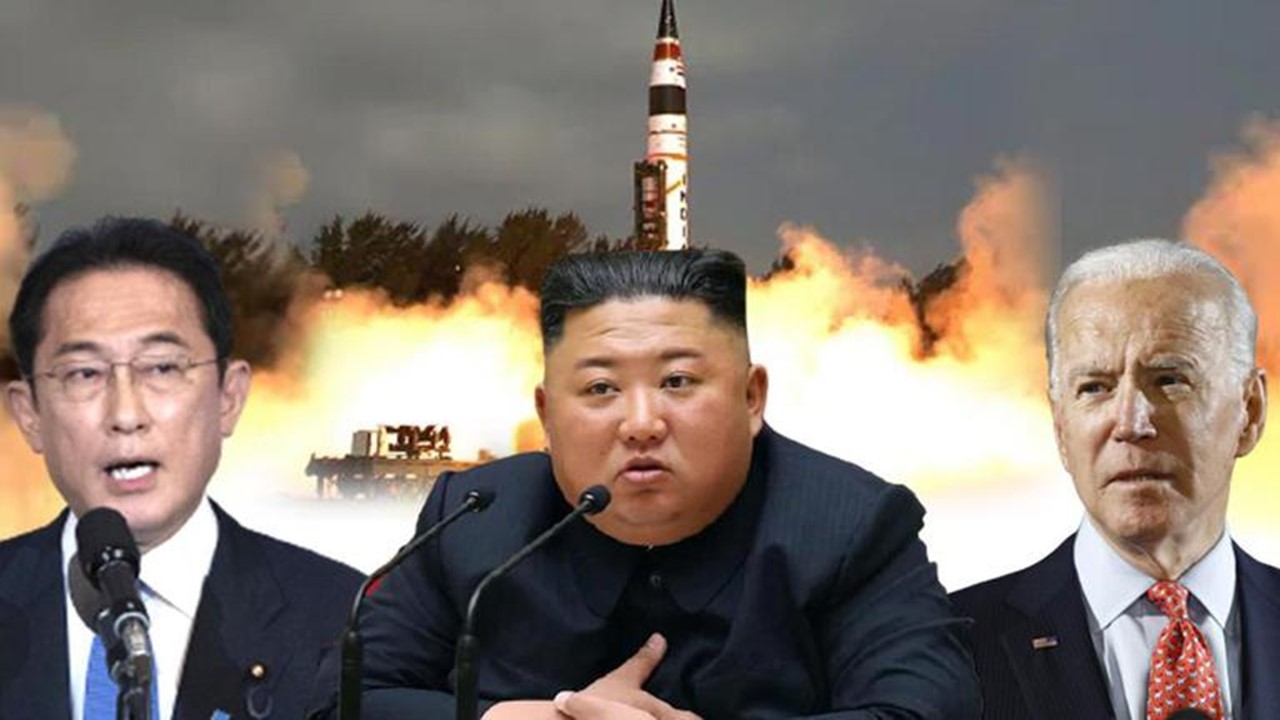
Only 4% of the emergency evacuation facilities designated by local governments in Japan as missile shelters are underground, according to a recent study by Kyodo News. The survey also revealed that the low number was due to a dearth of basement-containing structures in rural areas. Due to growing concerns about the security situation in the area, particularly in light of North Korea’s increased missile test launches, the Japanese government has advised municipalities to increase the number of designated evacuation shelters, particularly those located underground, over the following five years beginning in fiscal 2021.

Since they offer superior defence against missiles and other potential dangers, the Cabinet Office believes that underground facilities are more effective than those on the surface. Nonetheless, the polling of 67 prefectural and major city.

Also Read

Missile Race in East Asia: Japan, South Korea, Taiwan Boost Firepower Amid China Tensions

China Alleges Japan is Quietly Building Nuclear Capability Amid PM Takaichi’s Defense Shift

Japan prepares to go nuclear says ‘US umbrella no longer dependable’, clash with China on the horizon?

Akita Prefecture had the lowest number of underground facilities at zero, while 17 prefectures had fewer than 10. Tokyo had the most underground facilities at 452, followed by Gifu and Ishikawa prefectures, with 306 and 176, respectively. Despite the low number of underground facilities, 19 prefectures stated that they had increased the number of underground facilities during the current fiscal year, which started last April.

Read More: Japan is betting on the losing horse named Trudeau

For example, Gifu designated around 300 locations, including underground walkways, as shelters in that year alone. The move was based on the international situation and national policy in light of developments in North Korea and the war in Ukraine, a prefectural official in charge of the project said.

(Source: Crisis Group)

When asked about the challenges faced regarding the designation of underground shelters, the majority of the polled governments cited a lack of facilities. For regional areas, having underground shelters is difficult, as there are fewer buildings with basements. This lack of infrastructure highlights the need for local governments to invest in building underground shelters in preparation for potential missile attacks.

In conclusion, the low number of underground shelters in Japan highlights the need for local governments to prioritize building these types of facilities in preparation for potential missile attacks. With North Korea increasing its test-launches of missiles, the Japanese government’s recommendation to increase the number of designated evacuation shelters, particularly those underground, is crucial for ensuring the safety and security of citizens. It is hoped that this survey will serve as a wake-up call for local governments to invest in building underground shelters to protect their communities from potential threats.

Tags: JapanKoreaNorth Korea Missile Test
ShareTweetSend
Ansh Pandey

Ansh Pandey

Associate Editor, tfiglobalnews.com

Also Read

Pakistan’s ‘Mind Game’ Diplomacy: How Saudi Defence Pact Threat Forced Islamabad to Bring Iran back to US Talks

Pakistan’s ‘Mind Game’ Diplomacy: How a Saudi Defence Pact Warning Pulled Iran Back to US Talks in Islamabad

April 11, 2026
Iran Loses Track of Sea Mines in Strait of Hormuz, Threatening Global Oil Supply and US-Iran Peace Talks

US officials claim Iran cannot locate mines it deployed in the Strait of Hormuz, delaying reopening of a vital oil route and complicating ongoing peace talks with the US.

April 11, 2026
After the Iran ceasefire, Donald Trump is reportedly planning to penalize NATO allies who refused to support the war, raising fears of troop withdrawals and a deepening rift in the alliance.

Trump’s Revenge on NATO: US Set to Punish Allies After Iran War Shock!

April 11, 2026
Ceasefire or Strategy? China Arms Iran as US Deploys 50,000 Troops in Middle East

2-Week Ceasefire and ongoing Peace talks, or buying time to strengthen their position? China prepares to supply air defence systems to Iran, while US Send 50000 Troops in the Region!

April 11, 2026
Operation ‘Eternal Darkness’: How Israel’s AI-Driven Warfare Delivered a Decisive "100 target in 10 minutes" Blow to Hezbollah!

Operation ‘Eternal Darkness’: How Israel’s AI-Driven Warfare Delivered a Decisive “100 target in 10 minutes” Blow to Hezbollah!

April 10, 2026
US-Iran Ceasefire SHOCKER: Is Pakistan Playing a Double Game? Iran Refuses to attend negotiation talk in Islamabad!

US-Iran Ceasefire SHOCKER: Is Pakistan Playing a Double Game?

April 10, 2026
Youtube Twitter Facebook
TFIGlobalTFIGlobal
Right Arm. Round the World. FAST.
  • About Us
  • Contact Us
  • TFIPOST – English
  • TFIPOST हिन्दी
  • Careers
  • Brand Partnerships
  • Terms of use
  • Privacy Policy

©2026 - TFI MEDIA PRIVATE LIMITED

Welcome Back!

Login to your account below

Forgotten Password?

Retrieve your password

Please enter your username or email address to reset your password.

Log In

Add New Playlist

No Result
View All Result
  • Indo-Pacific
  • Americas
  • Canada
  • Indian Subcontinent
  • West Asia
  • Europe
  • Africa
  • The Caribbean
TFIPOST English
TFIPOST हिन्दी

©2026 - TFI MEDIA PRIVATE LIMITED

This website uses cookies. By continuing to use this website you are giving consent to cookies being used. View our Privacy and Cookie Policy.