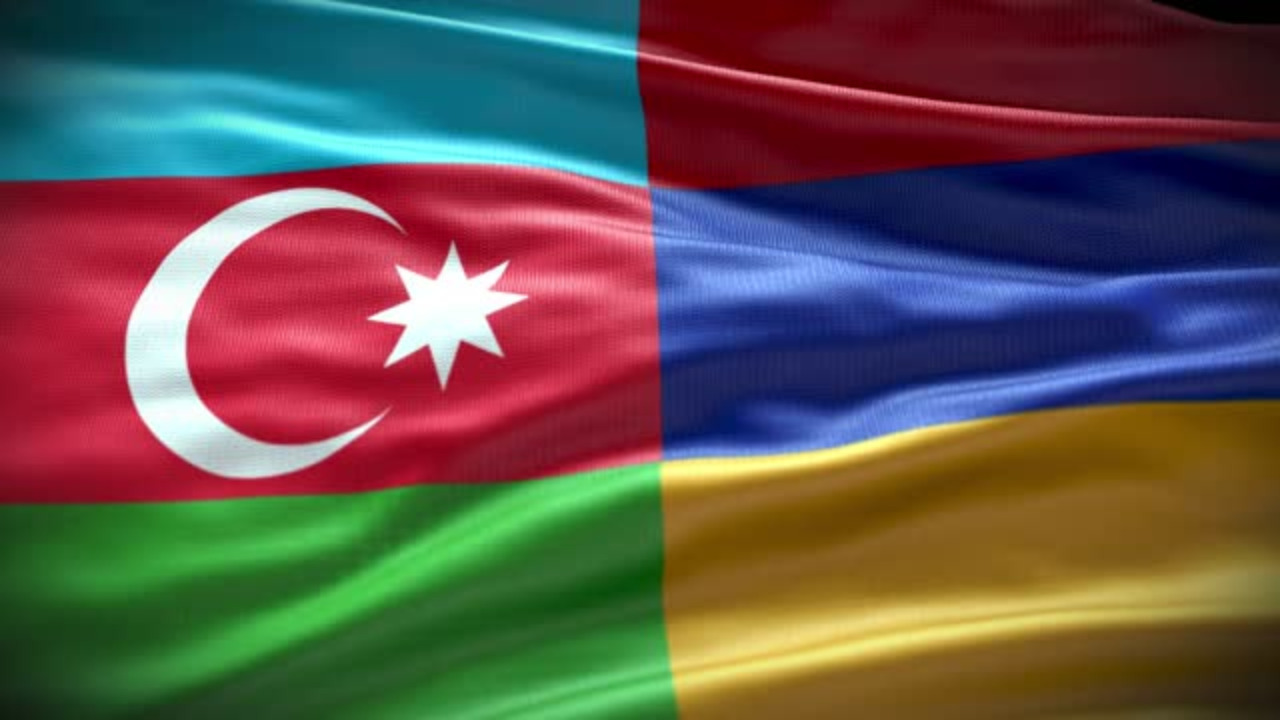
The conflict between Armenia and Azerbaijan over the Nagorno-Karabakh region dates back to the early 20th century when the region was part of the Russian Empire. The dispute continued throughout the Soviet era. After the collapse of the Soviet Union, both Armenia and Azerbaijan declared independence in 1991. However, the Nagorno-Karabakh region remained a bone of contention between the two countries.
Armenia and Azerbaijan head toward the Great Caucasian Reset
The Nagorno-Karabakh region is an ethnic Armenian enclave within Azerbaijan. The dispute over the region is based on competing claims to historical and cultural heritage, as well as economic and strategic interests. The region has a significant Armenian population. Following a referendum in 1991, the region declared independence from Azerbaijan and established the Nagorno-Karabakh Republic. Azerbaijan, however, refused to recognize the new republic, and the Nagorno-Karabakh conflict escalated into a full-scale war between 1991 and 1994, resulting in the displacement of over a million people and the deaths of tens of thousands. In 1994, a ceasefire was declared, but the Nagorno-Karabakh conflict remained unresolved.
Read More: Azerbaijan’s appetite for war with Armenia could soon make the country bankrupt
The unresolved Nagorno-Karabakh conflict has allowed external powers to intervene in the region, with Russia, the United States, and the European Union all playing a role in trying to broker a peace settlement. The West has been particularly interested in the Nagorno-Karabakh region due to its strategic location and rich natural resources. Located in the South Caucasus, the Nagorno-Karabakh region holds significant strategic and economic importance for Western nations. The region sits at the crossroads of major trade routes between Europe and Asia and is home to significant reserves of oil, gas, and other minerals. These factors have made the Nagorno-Karabakh region a major focus of Western foreign policy in the Caucasus.
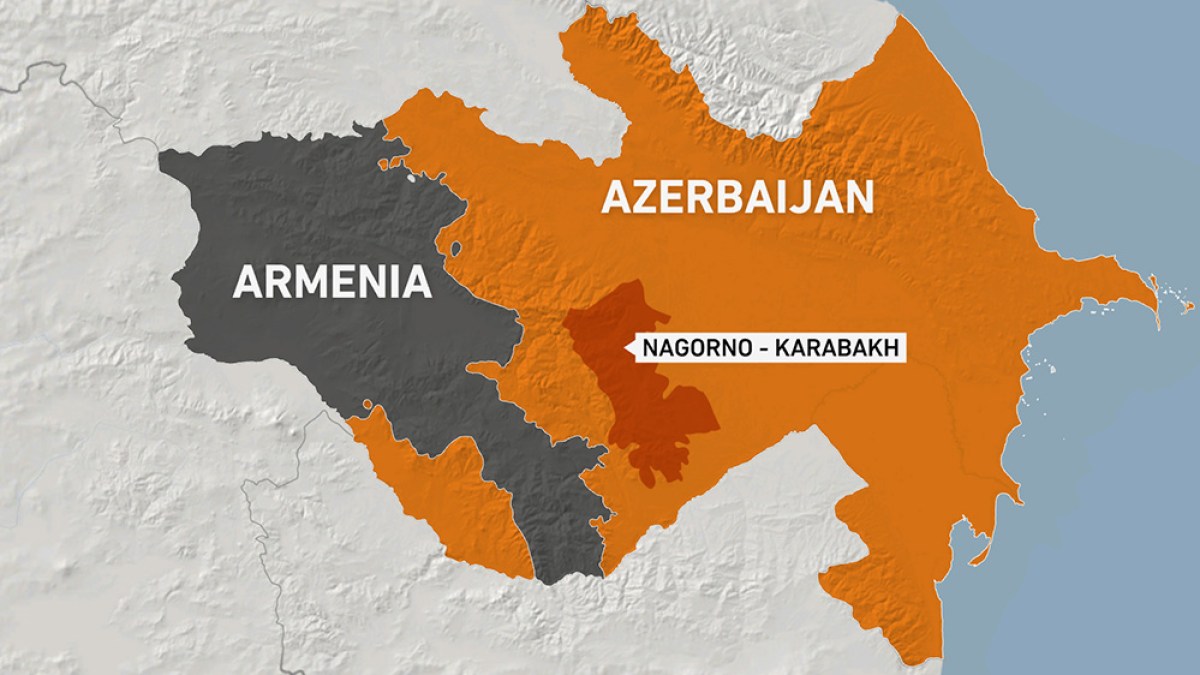
First and foremost, the Nagorno-Karabakh region is strategically important due to its location. The region is situated between the Black Sea and the Caspian Sea and is a key transit point for energy supplies from the Caspian Sea to Europe. The region is also an important link in the North-South Transport Corridor, a major transportation route between India and Russia. In addition, the Nagorno-Karabakh region is a vital energy hub for Western nations. The region holds significant reserves of oil, gas, and other minerals and is a key producer of natural gas for the region. Western countries have heavily invested in the region’s energy sector and rely heavily on the region for their energy needs.
Furthermore, the Nagorno-Karabakh region’s potential as a trade hub makes it an attractive destination for foreign investors, which would significantly benefit Western nations.However, recent developments suggest that both Armenia and Azerbaijan are strengthening ties with Russia acting as a mediator in the Nagorno-Karabakh conflict. This could lead to a significant loss for the West, as it would lose access to the Nagorno-Karabakh region and its resources.
Read More: Leaving Armenia alone is the biggest mistake Putin can make in his lifetime
Most recently, Armenia’s Prime Minister, Nikol Pashinyan, has signaled that he is prepared to acknowledge Azerbaijan’s sovereignty over the disputed Nagorno-Karabakh region while urging the EU and Russia to prevent a catastrophic new conflict in the South Caucasus. Speaking in parliament, Pashinyan stated that his government “reaffirmed that the Republic of Armenia fully recognizes the territorial integrity of Azerbaijan” and called for a peace treaty to be signed with the neighboring nation “without ambiguities and pitfalls.” In return, Baku should recognize Armenia’s territory within its Soviet-era borders.Effectively, this move accepts Baku’s sovereignty over Nagorno-Karabakh, two and a half years after a brutal war over the breakaway region that is home to tens of thousands of ethnic Armenians who have, for decades, refused to be governed by Azerbaijan.

The recent rapprochement between Armenia and Azerbaijan can be traced back to the Velvet Revolution in Armenia in 2018, which resulted in the installation of a pro-Western government after the ouster of the long-standing ruling party. The new Armenian government indicated its willingness to negotiate a settlement to the Nagorno-Karabakh conflict, leading to a series of high-level meetings between Armenian and Azerbaijani officials.
The Kremlin has always played a significant role in diffusing tensions between the two regions. Recently, Moscow stated that the trilateral agreements signed between Russia, Azerbaijan, and Armenia are “the only real basis” for finding a permanent solution to the situation in Karabakh. During a press briefing in Moscow, Kremlin spokesman Dmitry Peskov said the agreements “are now the only realistic basis for a settlement” and that Moscow considers “progress along the path of implementing all the provisions uncontested and necessary for everyone.”
“We welcome any steps by the parties that can lead to a defuse of tension and contribute to further progress towards the implementation of the trilateral agreements.”
Read More: Azerbaijan leaves Europe high and dry
In November 2020, the two sides signed a ceasefire agreement brokered by Russia, which brought an end to a six-week war over the Nagorno-Karabakh region. The agreement called for the deployment of Russian peacekeeping troops to the region and laid out a roadmap for resolving the conflict.
Since then, both Armenia and Azerbaijan have taken steps to normalize their relations with Russia. In January 2021, Armenian Prime Minister Nikol Pashinyan visited Moscow to meet with Russian President Vladimir Putin, and the two leaders signed several agreements aimed at deepening economic and military ties between their countries. Similarly, in February 2021, Azerbaijani President Ilham Aliyev visited Moscow to meet with Putin, and the two leaders signed a joint statement that emphasized the importance of Russian mediation in the Nagorno-Karabakh conflict.

Therefore, the recent developments between Armenia and Azerbaijan represent a significant victory for Russia. However, the emerging alliance between these two countries, with Russia as a mediator, could have significant implications for Western interests in the Caucasus region. The region has long been a geopolitical battleground between Russia and the West, with the West seeking to expand its influence in the area and Russia aiming to maintain its strategic dominance.
Read More: The Armenia-Azerbaijan tensions are flaring up again as soon as EU chimed in
With Armenia and Azerbaijan solidifying their ties with Russia, the Western powers may face restricted access to the Nagorno-Karabakh region and its resources, which could pose a significant challenge to their interests in the Caucasus. Therefore, it is crucial for the West to carefully evaluate its options and devise a strategic plan to safeguard its stake in the region.