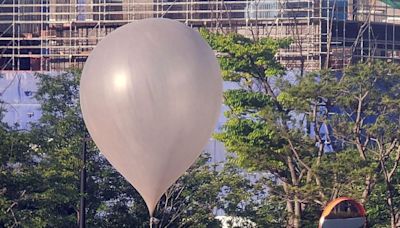
During the Cold War, the Korean Peninsula was turned into a playground for balloon warfare, a quirky form of psychological warfare. The recent drama unfolded after Pyongyang’s missile launch mishap, reigniting tensions between the Koreas.
Kim Kang Il, North Korea’s vice Defense minister, announced a temporary halt to their balloon activity. These balloons, loaded with all sorts of junk like manure, cigarette butts, and random scraps, were Pyongyang’s quirky response to South Korea’s leaflet campaign. According to Kim, those leaflets were a propaganda mechanism, threatening North Korea’s internal peace, as DPRK is particularly sensitive towards outside information, reaching its populace.
Tensions are running high, nuclear risks can come around, and can nudge South Korea towards nuclear independence. Both have cursed each other a lot at diplomatic level and continues to irritate each other with both conventional and modern tactics. North Korea’s balloon bonanza managed to offload a whopping 15 tons of waste. Who knew balloons could be so geopolitical rivalry friendly, in the most bizarre way possible.
The Korean Peninsula’s balloon saga from 2012 reemerges with North Korea’s decision to halt trash-carrying balloon launches into South Korea. This ceasefire came in response to South Korea’s warning of “unbearable” retaliation against recent North Korean provocations. Should South Korea proceed, it would have resurrected the loudspeaker broadcasts into North Korea, a tactic Pyongyang vehemently opposes. These broadcasts serve as a window to the outside world for North Koreans, potentially undermining trust in Kim’s regime.
This pause in balloon launches underscores the delicate dance between the two Koreas, where actions and reactions play out against a backdrop of longstanding tensions and geopolitical complexities. As the situation unfolds, observers remain wary of any potential escalation and its ramifications for regional stability. Kim Kang Il, a North Korean vice defense minister, emphasized South Korea’s “unpleasant” encounter with the balloons, suggesting their effectiveness as a retaliatory measure. While North Korea commits to a temporary suspension of the balloons, Kim issues a cautionary note, hinting at their imminent resurgence should South Korean activists reignite their leafleting campaign. This strategic move underscores North Korea’s intention to wield psychological warfare against its southern neighbor, leveraging tactics that have previously demonstrated their impact.
South Korea’s military recently stumbled upon an unexpected find: over 700 balloons launched from North Korea, each packed with an odd assortment of items including manure, cigarette butts, and waste paper – essentially, a payload of junk. Though, none of the contents were hazardous, just a mishmash of unwanted items. North Korea flied balloons filled with a staggering 15 tons of waste paper – an unconventional but undeniably creative approach to waste management! This peculiar method serves as a unique solution to North Korea’s waste disposal challenges. Despite having a lower industrial output compared to its southern neighbor, North Korea grapples with significant shortcomings in waste management infrastructure. Efforts to enhance recycling initiatives face obstacles due to material shortages, exacerbating the waste management dilemma. Furthermore, the storage of nuclear waste poses serious risks to both public health and the environment, highlighting the pressing need for comprehensive waste management solutions.
In light of these developments, South Korea is preparing to implement “unbearable” measures against North Korea’s provocations, denouncing them as “absurd” and “irrational.” This isn’t the first time North and South Korea’s tensions have flared – remember the dramatic destruction of an empty South Korean liaison office in 2020, which Pyongyang symbolically blew up to demonstrate its determination to confront South Korea.
With North Korea ramping up its weapons tests since 2022, including simulated attacks on South Korea, the Korean Peninsula remains on edge. Last week, North Korea conducted a drill involving the firing of nuclear-capable weapons into the sea, heightening regional tensions. Experts theorize that North Korea’s balloon strategy is aimed at sowing discord within South Korea’s conservative government and escalating tensions ahead of the US presidential election. As demands for an independent nuclear infrastructure grow in South Korea in response to North Korea’s escalating nuclear and missile tests, the situation underscores ongoing geopolitical tensions.
Observers remain vigilant for potential escalations and their implications for regional stability, emphasizing the need for diplomatic efforts to ease tensions on the Korean Peninsula.