In a provocative and candid conversation with political commentator Tucker Carlson, renowned U.S. economist Jeffrey Sachs delivered a stark warning to India: its success may eventually make it a target of American strategic hostility.
The interview, which quickly made headlines across global media, focused on America’s history of undermining rising powers that threaten its hegemonic dominance, using Russia and China as recent examples. Sachs warned that if India continues its rapid economic ascent, it could soon face similar challenges from Washington.
“Russia is big, Russia is powerful, and for that reason alone, the U.S. would oppose Russia. Just like it opposes China,” Sachs said. “A big power will generate a reaction from the United States.”
Tucker Carlson, known for his outspoken views on American foreign policy, didn’t hesitate in responding: “Probably sooner rather than later,” when Sachs suggested that Washington would move to weaken India once it becomes a major global force.
Sachs: India’s Rise Is Real—but Should Be Independent
Jeffrey Sachs, a longtime critic of U.S. foreign interventions and a former advisor to multiple global economic initiatives, has long viewed India’s economic growth as one of the century’s defining stories. He has predicted that India will surpass the U.S. as the world’s second-largest economy within the next 10–15 years—possibly even becoming number one by the end of the century.
However, Sachs cautioned against India becoming a pawn in Washington’s geopolitical rivalry with China.
“The U.S. wants to use India to beat up China,” he warned. “Don’t play the American game… India is too big for a U.S. game.”
He was particularly critical of India’s growing role in the Quadrilateral Security Dialogue (Quad), a strategic alliance that includes the U.S., Japan, and Australia, arguing that such pacts primarily advance American interests rather than India’s long-term sovereignty.
Friend or Foe? The Perils of U.S. Strategic Partnership
Sachs also issued a stark assessment of U.S. alliances, noting Washington’s pattern of abandoning partners when they no longer serve its immediate interests.
“Friendship with the U.S. can be dangerous,” Sachs warned, suggesting that India pursue a path of strategic autonomy rather than alignment.
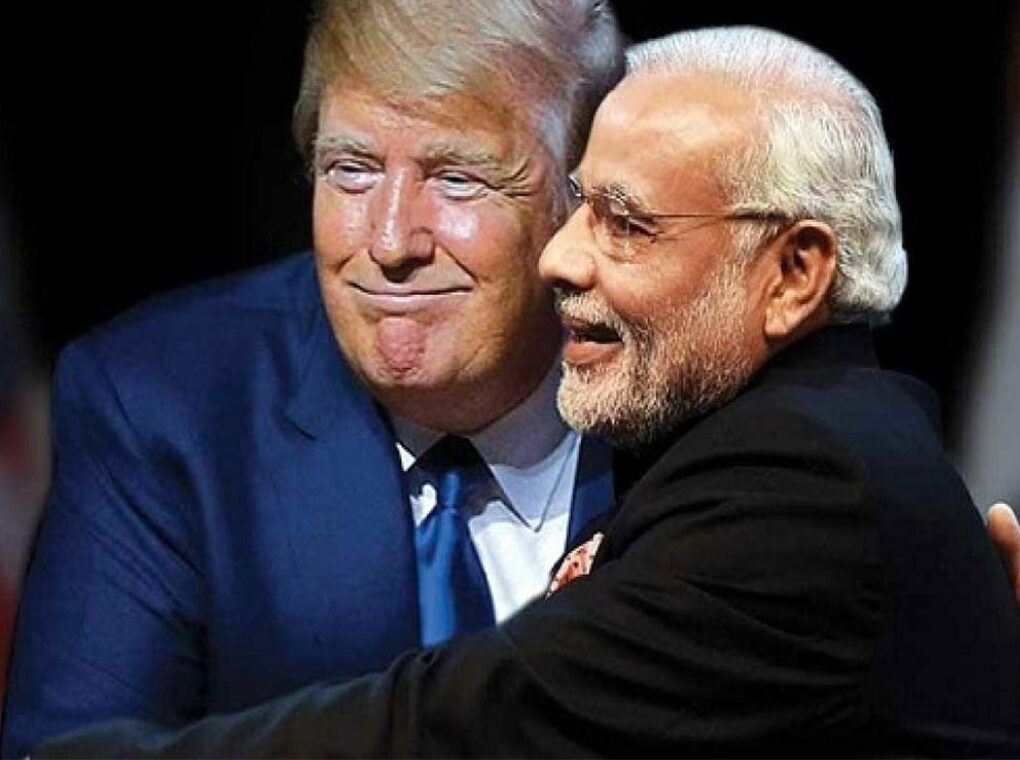
This viewpoint echoes concerns within India’s foreign policy establishment that excessive proximity to the U.S. could limit New Delhi’s ability to maintain balanced ties with other powers, particularly Russia and China.
Pressure on Russia Ties and Dollar Diplomacy
Sachs’ remarks come amid growing friction between India and the U.S. over the former’s continuing military and economic engagement with Russia. India’s arms purchases from Moscow and its participation in the BRICS economic bloc—seen by many as an attempt to reduce dependence on the U.S. dollar—have been sore points in Washington.
U.S. Secretary of Commerce Howard Lutnick, speaking at the U.S.-India Strategic Partnership Forum earlier this month, expressed frustration:
“There were certain things that the Indian government did that generally rubbed the United States the wrong way,” he said, citing military ties with Russia and India’s alignment with BRICS.
Despite American pressure, New Delhi has remained firm in its independent approach. Indian officials have reiterated their commitment to deepening ties with Moscow and continuing a multi-aligned foreign policy that reflects India’s long-term national interests.
India’s Strategic Crossroads
As India rises on the global stage—with an expanding economy, technological prowess, and growing geopolitical weight—the country faces a fundamental strategic choice: whether to align itself more deeply with the U.S.-led Western bloc or to maintain a posture of non-alignment and multipolar diplomacy.
Sachs’ warning is a reminder that global dominance is not just about economic figures—it’s about narratives, alliances, and the risks of becoming entangled in great power rivalries.
His core message: India’s best path forward is one of strategic independence, not subservience to any global power.