Russian President Vladimir Putin has publicly declared Moscow’s desire for a “lasting and stable peace” in Ukraine, yet his statements and actions raise profound questions about the true cost and feasibility of such a settlement.
Against the backdrop of ongoing heavy fighting, recent deadly Russian missile strikes on Kyiv, and a looming August 8 deadline imposed by the United States for progress towards ending the war, the real conditions behind Russia’s peace offer remain deeply contested by Ukraine and the West.
Putin’s Vision of Peace: A “Lasting and Stable” Ceasefire on Russia’s Terms
In public remarks delivered alongside Belarusian President Alexander Lukashenko, Vladimir Putin emphasized the need for a peace agreement that would satisfy both Russia and Ukraine while ensuring regional security.
He spoke of “solid foundations” for peace but notably gave no indication he is willing to compromise on Moscow’s core demands. Putin framed any disappointment with the lack of diplomatic breakthroughs as a product of “inflated expectations,” and sought to shift the blame onto others rather than signal flexibility in negotiations.
Despite the language of peace, the situation on the ground tells a more complicated story. Heavy Russian air strikes, including attacks on civilian areas of Kyiv that caused dozens of casualties (among them children), have continued unabated in recent weeks.
Russian troops claim battlefield gains in long-contested towns such as Chasiv Yar, which Ukraine denies, underscoring the bitter and contested reality of the conflict. Moscow insists it wants a “final and durable settlement,” not merely a temporary ceasefire or pause.
Moscow’s Peace Talks: Stalled, Superficial, and Lacking Authority
Since May, three rounds of direct peace negotiations between Russia and Ukraine have taken place, including talks in Istanbul, but progress has been minimal. Putin stressed that negotiations should be conducted quietly, away from public scrutiny, yet these talks have failed to yield meaningful concessions or mechanisms to end the violence.
Ukraine’s leadership criticizes Moscow’s delegation as lacking real authority and accuses Russia of employing peace talks as a cover to stall while continuing its military campaign.
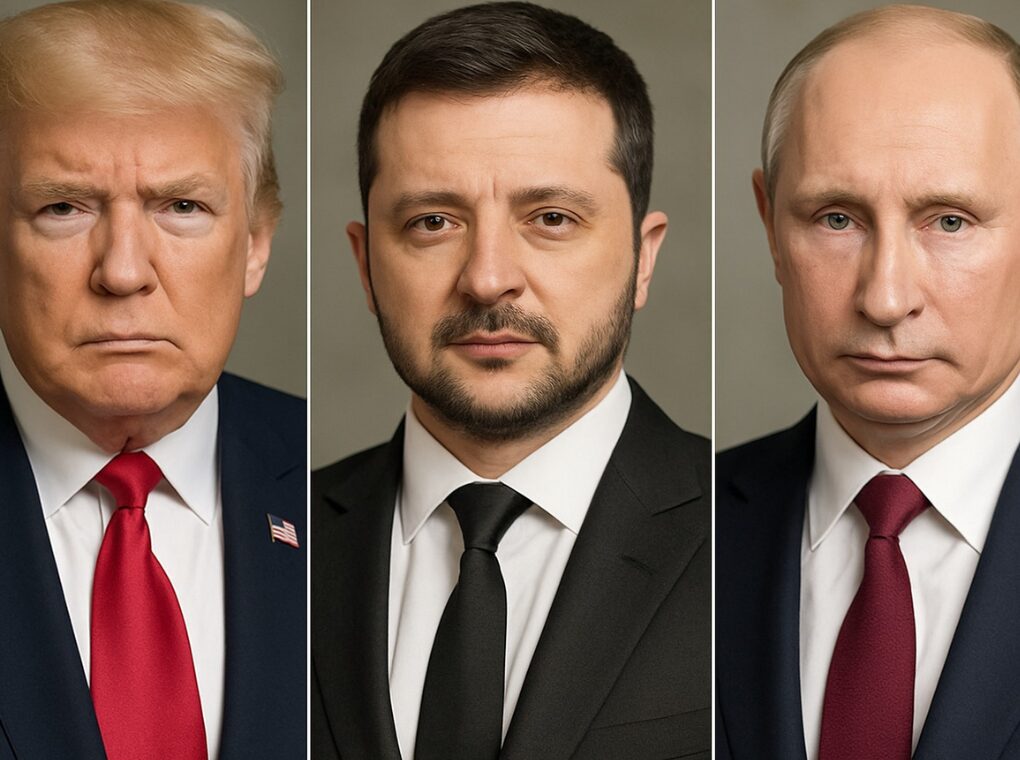
Ukrainian President Volodymyr Zelenskyy has repeatedly called for direct meetings with Putin, proposing mediation by leaders such as US President Donald Trump or Turkish President Recep Tayyip Erdoğan.
Yet Russia maintains that a leaders’ summit can only formalize deals agreed upon by negotiators, essentially placing the onus on Ukraine to accept Moscow’s conditions first.
The August 8 Deadline: Western Pressure Increases But Russian Stance Remains Firm
US President Donald Trump’s recent ultimatum imposes a hard deadline for Russia to make progress toward peace: August 8, 2025. Trump warned that failure to meet conditions would trigger harsh new sanctions not only on Russia but also on countries that continue buying its energy exports, notably China and India.
While Trump has voiced increasing frustration with Putin’s “stalling tactics” and condemned ongoing Russian attacks as “disgusting,” Putin has not publicly adjusted his position in response to the deadline. Instead, he reiterates Moscow’s perception that the momentum of the war remains favorable to Russia and that peace can only be achieved under terms acceptable to Kremlin interests.
The Deepening Divide: Ukraine’s Call for Genuine Negotiations vs. Russia’s Conditions
Ukraine asserts it remains committed to peace but insists that Russia must first demonstrate a genuine willingness to end hostilities and negotiate sincerely. Kyiv views Moscow’s demands and military actions as contradictory to any peace efforts.
Zelenskyy has openly called out Russia for lacking seriousness, describing its delegation as incapable of making meaningful decisions. He has emphasized the need for Russia to show readiness before any leader-to-leader talks can happen.
Meanwhile, the West, including the United Kingdom and the United States, has stepped up support for Ukraine, with coordinated diplomatic initiatives and military aid, signaling skepticism about Moscow’s declarations while pushing for real progress on the ground.
What Does “Peace” Mean for Russia? Security and Influence at Stake
Putin casts the peace process as essential not only for Ukraine but as a question of European security more broadly. However, Russia’s red lines—such as demands over Ukrainian neutrality, Crimea’s status, and control of separatist-held territories—imply that any “lasting peace” Moscow envisions involves significant concessions from Kyiv that would reshape Ukraine’s sovereignty and align it more closely with Russian interests.
This approach raises profound concerns about the true cost of peace under current Kremlin conditions: whether it would merely formalize Russian military gains and undermine Ukraine’s independence. The continuation of intense fighting amidst talk of peace suggests that Moscow’s version of a “stable” outcome prioritizes its strategic objectives above humanitarian or democratic considerations.
A Fragile Peace Promise Amid Continuing Conflict
Russia’s declaration of seeking a “lasting and stable peace” with Ukraine stands in stark contrast to its ongoing military operations and uncompromising demands. The upcoming August 8 deadline imposed by the US adds pressure to a stalled process, but Putin’s repeated emphasis on Russia’s “favorable momentum” indicates little likelihood of genuine concessions in the near term.
For peace to be sustainable and just, any agreement must satisfy Ukraine’s sovereignty and security concerns as well as those of Russia—an outcome that currently seems elusive. The international community watches closely, mindful that the “peace” Russia offers could come at a significant cost to Ukrainian independence and European stability.