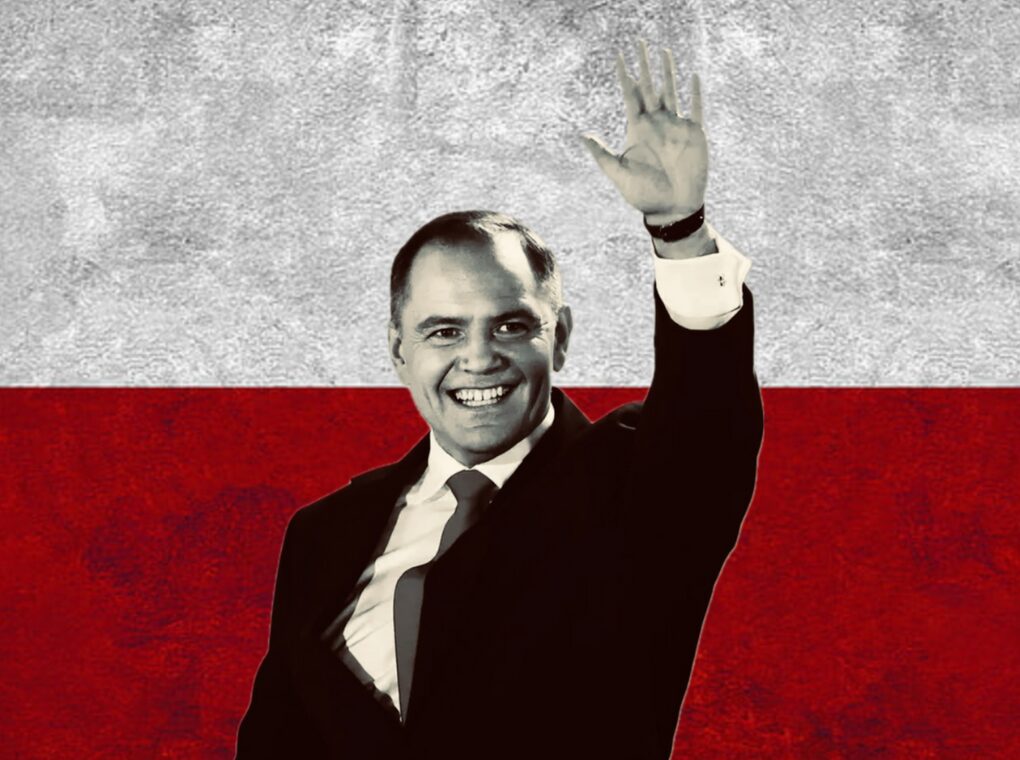
Poland has entered a pivotal period marked by sharp political polarization and the ascension of Karol Nawrocki as president on August 6, 2025. Backed by the conservative-nationalist Law and Justice party (PiS) and inspired by Donald Trump’s brand of right-wing populism, Nawrocki’s presidency is set to challenge the centrist, pro-EU direction advanced by Prime Minister Donald Tusk and his coalition. The result is a tense “cohabitation” between a right-wing president with veto power and a centrist government, fomenting both domestic policy clashes and strategic recalibrations on the international stage, especially vis-à-vis Russia and NATO.
In his inauguration speech, he emphasized that his presidency would focus on countering illegal migration, opposing the adoption of the euro in Poland, strengthening the country’s sovereignty, and protecting traditional Polish values.
Internal Dynamics: A Fractious Power-Sharing Arrangement
Nawrocki embodies a return to conservative and nationalist values in Polish politics. He is known for his devout Catholicism, working-class background, and assertive personality. His inauguration speech underscored moves to change Poland’s constitution to solidify national sovereignty and limit European Union (EU) influence—a marked shift from Tusk’s Europhile agenda. As the president can veto legislation and shape foreign policy, this ideological split is expected to produce standoffs on issues from judicial reforms to social policies, echoing the deadlock common during President Andrzej Duda’s tenure.
The tension is magnified by a deeply divided electorate, with the PiS relishing the notion of Nawrocki as the “citizen candidate” ready to check Tusk’s centrist, liberalizing reforms. This scenario increases Poland’s unpredictability in both domestic policy and external relations.
Implications for Poland-Russia Relations
Poland’s relationship with Russia, historically fraught and recently hostile due to the Ukraine war, is set for continued strain. Nawrocki’s conservative base retains deep suspicion of Moscow, shaped by historical grievances, current security concerns, and Russia’s overt acts of sabotage and disinformation targeting Polish infrastructure and elections. Notably:
Recent years have been marked by mounting evidence of Russian attempts to destabilize Poland through cyberattacks, arson, and targeted propaganda campaigns aimed at undermining Poland’s role as a logistical hub for Western support to Ukraine.
The new president’s campaign rhetoric and close identification with “traditionalist” narratives further reduce the already minimal scope for rapprochement with Moscow.
Poland remains a staunch supporter of Ukraine, advocating for tough EU sanctions on Russia and deeper NATO involvement on NATO’s eastern flank.
The sabotage incidents, such as the fire in Warsaw’s shopping center found to be orchestrated by Russian intelligence, underscore Warsaw’s vigilance and low tolerance for Russian interference.
With Nawrocki’s victory, the confrontational posture toward Russia is unlikely to soften. If anything, vigilance may harden and anti-Russian sentiment grow more prominent in domestic politics, as calls for sovereignty and muscular security rise.
Poland’s strategic orientation toward NATO, and particularly toward strengthening the alliance’s eastern defenses, is poised to intensify under Nawrocki:
Poland has rapidly become a regional leader in defense spending, with allocations set to reach 4.7% of GDP in 2025—a figure unmatched in Europe—and has undertaken a vast military modernization campaign.
There is an evolving debate within Polish defense circles about NATO nuclear sharing. Warsaw’s interest in hosting NATO nuclear weapons or integrating further into the nuclear posture of the alliance is motivated by fear of Russian nuclear threats, especially after Russia’s deployment of tactical nuclear arms in neighboring Belarus.
Nawrocki is expected to use his position to further amplify Poland’s push for a robust NATO presence. Hosting NATO’s forward forces, supporting Baltic air policing, and leading joint missions to counter Russia’s “shadow fleet” all reflect this trajectory.
This drive occurs alongside some wariness toward a potential U.S. retreat from European security guarantees, in light of Trump-aligned politics in the U.S. Nawrocki’s conservative outlook, allied to Trump’s foreign policy instincts, might generate friction should U.S. commitment to NATO waver, but for now it cements Warsaw’s determination to “go all-in” on NATO deterrence.
Strategic Consequences for Europe
The pronounced ideological and institutional standoff within Poland is set to ripple outward:
A more assertive, conservative president limits the scope for deepened EU integration but encourages closer bilateral and trilateral security arrangements in Central and Eastern Europe.
Poland’s vocal advocacy for a strong NATO military presence and nuclear umbrella brings it into closer alignment with the Baltic States and Romania, bolstering the alliance’s eastern flank—at the potential cost of increased tension with Moscow and greater risk exposure.
This posture may complicate the EU’s attempts to craft a united approach toward Russia, as Warsaw’s insistence on sovereignty and muscular deterrence competes with more dovish elements in Western Europe.
What’s Ahead
Poland’s new conservative president Karol Nawrocki symbolizes the country’s enduring internal divisions and external anxieties. His administration is set to reinforce Poland’s hard line against Russia and deepen military integration with NATO, even as fraught relations with the centrist government cast uncertainty over domestic policymaking. For the broader region, this means a more assertive Poland that prioritizes sovereignty, resilience, and collective defense, shaping the future of European security architecture in unpredictable and consequential ways.