Tensions between Russia and Europe have intensified sharply after senior Russian officials warned that drone manufacturing facilities across Europe could be considered legitimate military targets. The statements mark a significant escalation in rhetoric, raising concerns about a potential widening of the ongoing Russia-Ukraine War beyond Ukrainian territory.
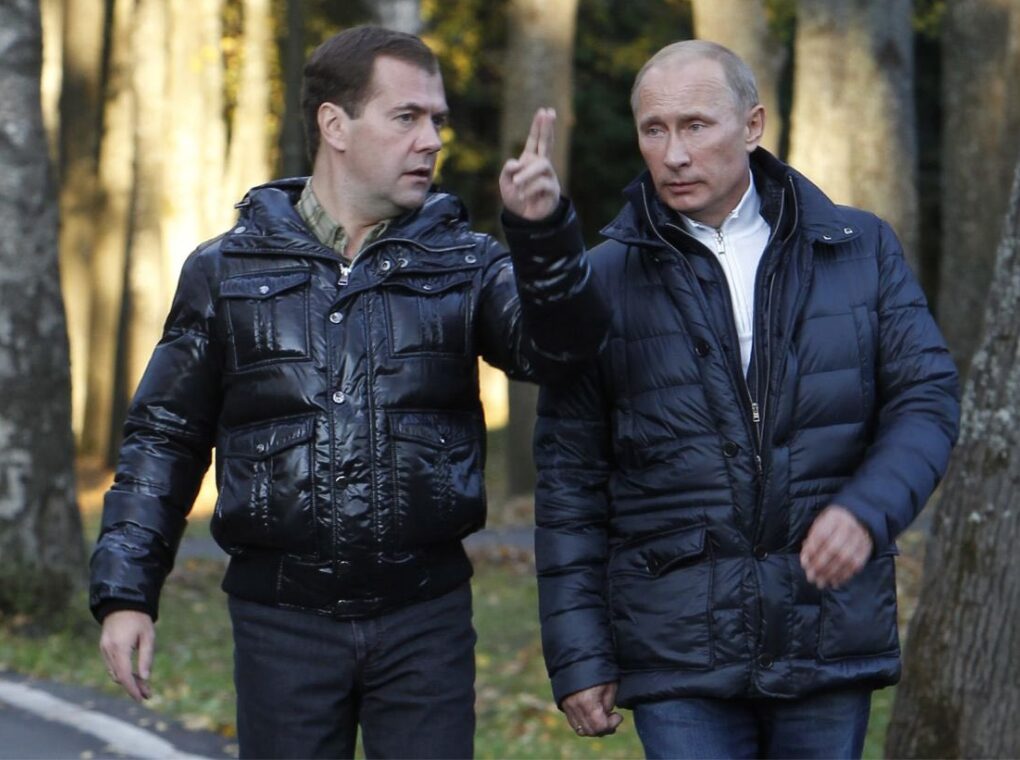
At the center of the controversy is Dmitry Medvedev, the former president of Russia and current deputy chairman of the country’s Security Council. Medvedev issued a stark warning following the Russian Defense Ministry’s publication of a list of European industrial sites allegedly linked to drone production for Ukraine. According to him, the list should be interpreted as a register of “potential targets” for the Russian Armed Forces.
In a strongly worded message, Medvedev urged European nations to take the warning seriously, stating that whether strikes materialize would depend on future developments. His remarks have triggered alarm across European capitals, where governments are already navigating a delicate balance between supporting Ukraine and avoiding direct confrontation with Moscow.
The Russian Defense Ministry claims that Western countries are significantly ramping up production of long-range drones intended for use by Ukrainian forces. The ministry argues that this growing industrial support effectively transforms European nations into active participants in the conflict, rather than neutral backers.
Another prominent voice, Andrei Kolesnik, reinforced this position. He stated that European Union countries are now functioning as a “rear base” for Ukraine’s military operations. As a result, he argued, facilities producing drones and related equipment “should already be treated as targets regardless of where they are located.”
The lists published by the Russian Defense Ministry reportedly include facilities spread across multiple countries, including the United Kingdom, Germany, Poland, the Netherlands, the Czech Republic, and the Baltic states. Additional sites producing drone components were identified in countries such as Italy, Spain, Türkiye, and Israel.
However, the credibility of the list has been questioned. Some observers noted inconsistencies, including at least one address in Munich that appears to be a residential building rather than an industrial site. These discrepancies have raised doubts about the accuracy of Russia’s intelligence and the intent behind publishing such information.
The timing of the announcement is also notable. It comes shortly after Ukrainian President Volodymyr Zelensky met with German Chancellor Friedrich Merz in Berlin. During the meeting, both sides discussed expanding defense cooperation, including joint drone production and a major military aid package. Germany reportedly committed billions of euros toward strengthening Ukraine’s air defense capabilities, including support for missile systems.
From Moscow’s perspective, such cooperation crosses a red line. Russian officials argue that supplying weapons and enabling their production directly contributes to attacks on Russian territory, thereby justifying retaliatory measures. By framing European factories as legitimate targets, the Kremlin appears to be signaling a willingness to broaden the scope of its military response if support for Ukraine continues to grow.
European leaders, however, have largely rejected Russia’s claims. They maintain that their assistance to Ukraine is defensive in nature and consistent with international law. Many analysts view Russia’s statements as part of a broader strategy of deterrence—aimed at discouraging further Western involvement by raising the specter of direct conflict.
Security experts warn that any actual strike on European soil would represent a dramatic escalation with unpredictable consequences. Such an action could potentially trigger a collective response from the NATO alliance, significantly increasing the risk of a wider war.
The situation highlights the evolving nature of modern warfare, where supply chains, industrial infrastructure, and technological production lines have become integral components of military strategy. As drone warfare continues to play a decisive role in the conflict, control over production capabilities has emerged as a critical battleground.
For now, Russia’s statements remain in the realm of rhetoric. However, the explicit identification of targets outside Ukraine marks a concerning shift. As both sides continue to escalate their positions, the risk of miscalculation grows—raising fears that the conflict could spill beyond its current boundaries and draw Europe more directly into confrontation.