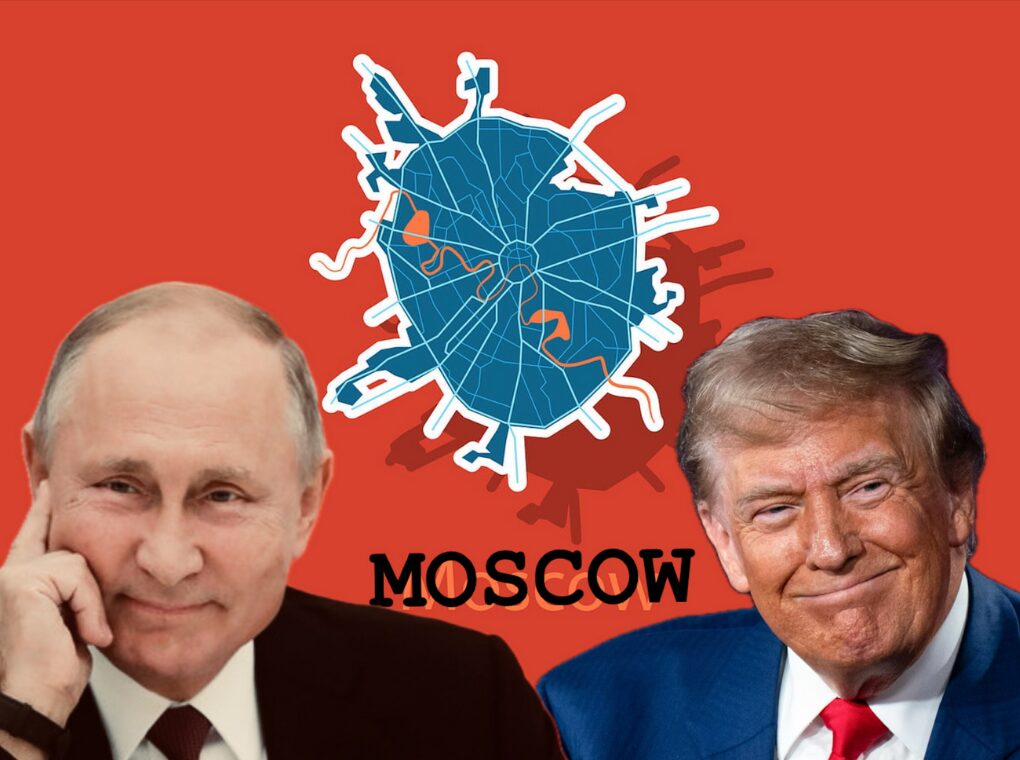
The recent Alaska summit between Vladimir Putin and Donald Trump drew widespread attention, not just for what was discussed but for what was implied afterward—Putin’s invitation to Trump suggesting their next meeting be held in Moscow. This gesture carries profound diplomatic symbolism and opens the door to several critical questions on the future trajectory of US-Russia relations amid the ongoing Ukraine conflict.
The Invitation’s Symbolic Weight
Putin’s invitation, extended in English and with a friendly demeanor, signals Moscow’s desire to restore a sense of normalcy and parity in its relationship with the United States. By proposing Moscow as the venue, Putin asserts confidence and control, emphasizing that Russia no longer feels isolated on the global stage despite years of sanctions and diplomatic pressure. For Russia, hosting a former US president would be a significant display of diplomatic prestige, reinforcing Putin’s narrative that Russia remains a central player in international affairs.
Implications for Diplomatic Engagement
The invitation suggests the potential continuation of high-level dialogue, which could facilitate dialogue on hard issues, primarily the violent and protracted Ukraine war. A summit in Moscow would allow Trump and Putin to negotiate with fewer intermediaries, possibly fostering more direct communication and clearer understandings. However, such a meeting would also raise questions about optics and legitimacy, given the severe global condemnation Russia faces for its actions in Ukraine.
Earlier, in his statement, Putin said that Russian-American summits had not taken place for over four years, calling the period as challenging for bilateral relations, and said a meeting between the two leaders was overdue to resume dialogue.
“As is known, Russian-American summits have not been held for more than four years. This is a long time. The past period was very difficult for bilateral relations. And, let’s be honest, they have slid to the lowest point since the Cold War. And this is not good for our countries, or the world as a whole,” Reuters quoted him as saying.
After a roughly 2½-hour meeting in Alaska, Putin said he and Trump had reached an “understanding” on Ukraine and cautioned Europe against “torpedoing the nascent progress.”
Challenges and Risks
Any subsequent meeting in Moscow would be politically sensitive. For Trump, accepting the invitation could open him to criticism for seemingly endorsing or legitimizing Putin’s position amidst ongoing hostilities. For Putin, hosting Trump carries the risk of international backlash or accusations of propaganda use. Moreover, the fundamental disagreements over Ukraine’s sovereignty, territorial integrity, and Russia’s security demands remain stark obstacles.
The Path Forward: Pragmatism or Posturing?
While the invitation hints at a thaw or at least a willingness to engage further, skepticism remains warranted. Past summits have yielded limited breakthroughs, with core disputes largely unresolved. Yet, diplomatic channels remain essential—continued dialogue might prevent escalation and carve a path to ceasefire, even if incremental. Both leaders have political incentives to showcase diplomacy; Trump seeks to enhance his international statesman credentials, and Putin aims to break the narrative of isolation and assert Russia’s resilient stature.
Also Read: Russia-Ukraine War Intensifies, exchange of drone attacks
Putin’s proposal to hold the next summit in Moscow is more than a casual gesture; it reflects Russia’s strategic positioning on the world stage and signals a desire to reframe its relations with the US. While fraught with challenges, such meetings could be crucial in navigating the complex realities of the Ukraine war and shaping future peace prospects. Whether this invitation translates into meaningful negotiations or remains a diplomatic overture will depend on broader geopolitical dynamics and the willingness of both leaders to compromise.
This development marks a notable chapter in the ongoing saga of US-Russia diplomacy where symbolism, strategy, and the urgent need for conflict resolution intersect in unpredictable ways.