In mid-October 2025, President Donald Trump stunned the international community with a dramatic shift in U.S. policy toward the Ukraine-Russia conflict.
Following a private, two-hour phone call with Russian President Vladimir Putin, Trump appeared to make three major policy reversals: withholding Tomahawk missiles from Ukraine, halting the imposition of new sanctions on Russia, and effectively accepting the possibility of Russia retaining seized Ukrainian territories.
These developments have raised questions about the direction of U.S. foreign policy, the influence of Putin on Trump, and the implications for the war in Ukraine.
The Pivotal Phone Call
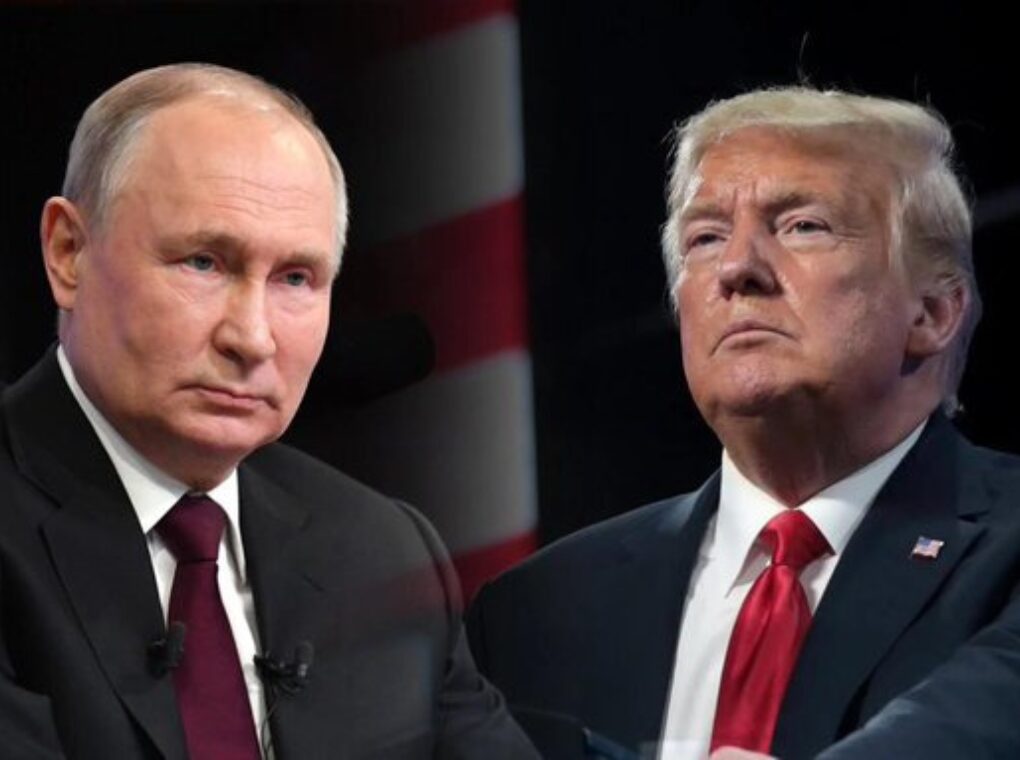
On October 16, 2025, Trump engaged in an unprecedented two-hour conversation with Putin, their eighth high-level discussion amid escalating tensions over Ukraine. While the White House described the call as “productive” and focused on ending the war, few details were released.
Insiders suggest that Putin raised concerns over U.S. missile shipments, particularly the potential deployment of long-range Tomahawk cruise missiles to Ukraine. Reports indicate that the conversation had a significant impact on Trump’s approach, prompting him to reconsider military support in favor of a diplomatic path.
Analysts argue that Putin strategically timed the call to influence Trump’s decisions, capitalizing on his desire to broker a major peace deal and avoid further escalation. Within 24 hours, the effects of this conversation were evident in Trump’s interactions with Ukrainian leadership.
A Tense Meeting with Zelensky
The day after the call, Trump hosted Ukrainian President Volodymyr Zelensky at the White House. The meeting, lasting over two hours, revealed a notable shift in tone. Zelensky sought reassurance on military aid and continued U.S. support, particularly regarding Tomahawk missiles.
Instead of concrete commitments, Trump emphasized negotiation and a desire to “stop the killing,” encouraging both sides to accept a frozen front line—a proposal effectively allowing Russia to maintain control over occupied territories.
Symbolic details fueled speculation about Trump’s tilt toward Russia. Defense Secretary Pete Hegseth wore a tie in blue, white, and red stripes, closely resembling the Russian flag. Social media and international outlets noted the choice, interpreting it as a subtle nod to Moscow during a meeting with Ukraine’s president.
The Three U-Turns
Critics have pointed to three major reversals in Trump’s Ukraine policy, all emerging after the Putin call:
Backing Away from Tomahawk Missiles: Trump had initially signaled willingness to provide Ukraine with long-range missiles capable of striking deep into Russian territory. After the call, he expressed reluctance, prioritizing diplomacy over military escalation.
Halting New Sanctions on Russia: While Trump did not explicitly lift existing sanctions, his emphasis on negotiation and restraint implies a pause on further punitive measures, giving Moscow room to maneuver.
Allowing Russia to Retain Seized Territory: By promoting the idea of frozen front lines, Trump effectively sanctioned Russia’s territorial gains—a stark departure from traditional U.S. support for Ukraine’s sovereignty.
These policy shifts have drawn criticism from Ukrainian officials and European allies, who worry that such concessions could embolden Russian aggression.
The Budapest Summit: Orban’s Role
Adding to the intrigue, Trump announced plans for a summit with Putin in Budapest, Hungary, hosted by Prime Minister Viktor Orban, a close ally of both leaders. Orban welcomed the move, describing Hungary as a neutral and suitable venue for resolving conflicts.
The summit could focus on ceasefires, territorial disputes, and broader security arrangements. European leaders have expressed cautious optimism but remain skeptical, particularly given Hungary’s willingness to shield Putin from potential legal consequences stemming from an ICC arrest warrant.
Implications and Reactions
Trump’s policy shift has elicited mixed reactions worldwide. Supporters argue that his approach reflects a pragmatic effort to end a costly war through diplomacy. Critics, however, see it as a dangerous tilt toward Moscow, potentially undermining Ukraine’s sovereignty and signaling weakness to adversaries.
Social media and news outlets highlighted symbolic gestures, such as Hegseth’s tie and the choice of Budapest, as subtle messages reinforcing a pro-Russian stance. Analysts warn that withholding advanced weaponry like Tomahawks could stall Ukrainian counteroffensives and alter the conflict’s trajectory.
The series of rapid developments following Trump’s call with Putin represents one of the most dramatic shifts in U.S. foreign policy in recent years. With three major policy U-turns, a tense White House meeting with Zelensky, and plans for a Hungary summit, the world is closely watching whether Trump’s moves will produce peace—or inadvertently strengthen Moscow’s position in Ukraine.
As the Budapest summit approaches, the stakes are high, and the global community waits to see if Trump’s pro-negotiation tilt will result in a historic resolution—or a controversial concession to Russian power.