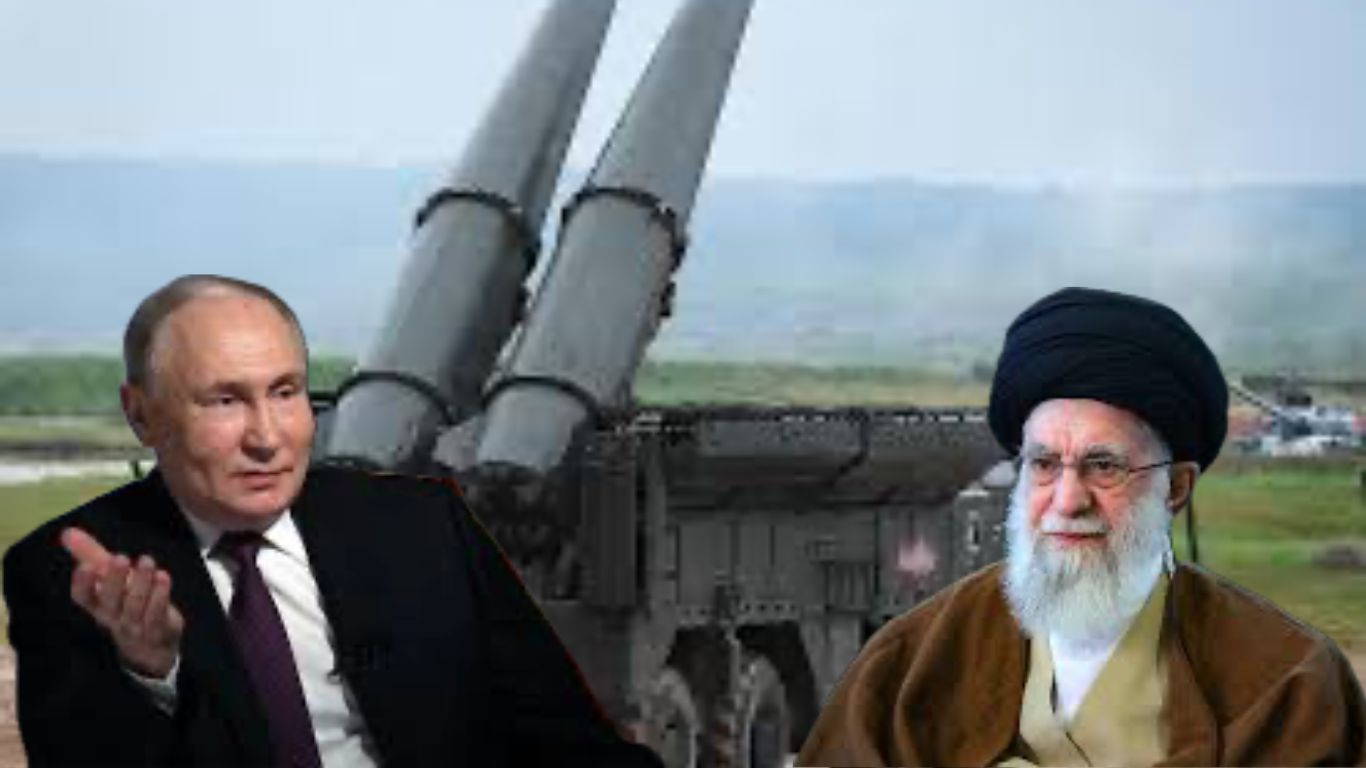
Multiple Iranian media outlets began circulating reports claiming that Russia has transferred Iskander short-range ballistic missile systems to Iran. According to these accounts, the delivery allegedly occurred on the same day as the initial reports, though there has been no official confirmation from either Moscow or Tehran. If substantiated, such a transfer would represent a serious development in Russian-Iranian military cooperation and could have major implications for security dynamics across West Asia and beyond.
The Iskander missile system—known for its mobility, precision, and survivability—is a theatre-level short-range ballistic missile (SRBM) capable of delivering both conventional and nuclear payloads. The system’s range, typically up to 500 kilometres, combined with sophisticated guidance and manoeuvrability, makes it a formidable tool in any region marked by contested deterrence and power projection. Though these reports remain unverified at this stage, the mere announcement has already generated palpable unease among Western capitals and regional adversaries.
Context of Russia-Iran Military Cooperation
Relations between Russia and Iran have been steadily deepening over the past decade, largely driven by shared geopolitical priorities and overlapping adversarial stances toward the US and its allies. Russia’s 2022 invasion of Ukraine accelerated this convergence, as Moscow turned increasingly to Tehran for drone technology, missile components, and broader arms cooperation in the face of Western sanctions and production limitations. Iranian-made Shahed drones have been widely documented in Russian military operations, and at various points Western officials have publicly alleged that Iran has supplied ballistic missiles to Russia for use in Ukraine—a claim that Tehran has repeatedly denied.
🚨 BREAKING: Iranian media report that 🇷🇺 Russia has transferred Iskander missile systems to 🇮🇷 Iran a move that, if confirmed, could massively escalate tensions across the region.
The Iskander is no joke: a short-range ballistic missile system capable of carrying conventional… pic.twitter.com/s0w8lwj3KL
— SilencedSirs◼️ (@SilentlySirs) January 6, 2026
Despite denials, Western intelligence and policymakers have repeatedly expressed concern over Iranian missile transfers and broader military cooperation with Russia, including press statements from senior US officials warning of potential escalations if such exchanges were verified.
Also Read: U.S. and Israel Prepare for Iran Strike? Military Buildup and ‘Iron Strike’ Signals Escalation
Geopolitical Implications in West Asia
If the transfer of Iskander systems to Iran is confirmed, it would represent a qualitative shift in Tehran’s military capabilities and alter the strategic calculus across several West Asian flashpoints:
- Deterrence vis-à-vis Israel and Gulf States: Iran’s existing ballistic missile arsenal, including indigenous systems like the Kheibar Shekan and Qassem Bassir, already poses a powerful challenge to Israel and Gulf Cooperation Council (GCC) states. The addition of Russian-made Iskanders would enhance Tehran’s precision-strike profile, potentially extending the reach and responsiveness of its conventional strike options.
- Iran’s Internal Political Pressures: Domestically, Tehran faces mounting social and political pressure, including protests over economic hardship and political grievances, and fears of external military actions—particularly from Israel or the US. An infusion of sophisticated missile systems could serve as a strategic signal of resilience and deterrence by Iran’s leadership amid these pressures.
- Regional Escalation and Arms Dynamics: Such a transfer could prompt adversaries—chief among them Israel—to revisit their own force posture, including accelerated development and deployment of missile defenses and pre-emptive strike planning. Israel’s recent combat engagements with Iranian missile and drone forces underscore the intensity of this threat environment.
International Response and Uncertainties
To date, neither Russia nor Iran has issued official confirmation regarding the reported transfer. Moscow’s silence, in particular, contrasts with its usual willingness to publicize major arms cooperation with partners. Tehran has also offered no official acknowledgement. Independent verification by Western intelligence services is pending, and this ambiguity underscores the complex interplay of strategic signaling and information control in the modern security environment.