A reported internal Pentagon memo has triggered global concern after suggesting that the United States could reconsider its long-standing support for the United Kingdom’s sovereignty over the Falkland Islands. The development comes amid escalating tensions within NATO over the ongoing Iran conflict and growing frustration in Washington over what it perceives as a lack of allied support.
According to the document, attributed to policy discussions within the US Department of Defense, the administration of Donald Trump is exploring a range of measures to pressure NATO allies who have not fully backed US military operations against Iran. Among the most controversial options is a potential review of US support for British claims over the Falkland Islands.
Strategic Frustration Over NATO Allies
The memo reportedly highlights dissatisfaction within Washington over the reluctance of several NATO members to provide Access, Basing, and Overflight (ABO) rights—critical logistical support needed for sustained military operations. Countries like Spain have refused to allow the US to use their bases or airspace for strikes, while the United Kingdom initially showed hesitation in granting similar access.
This perceived lack of cooperation has intensified criticism from Trump, who has repeatedly questioned the value of NATO and accused member states of failing to contribute adequately to collective defense efforts.
Spanish Prime Minister Pedro Sánchez has taken a particularly firm stance, declining US requests for military access. In response, the Pentagon memo outlines extreme retaliatory measures, including the possibility of suspending Spain from NATO—an unprecedented move that would shake the alliance to its core.
Falklands Issue Reignited
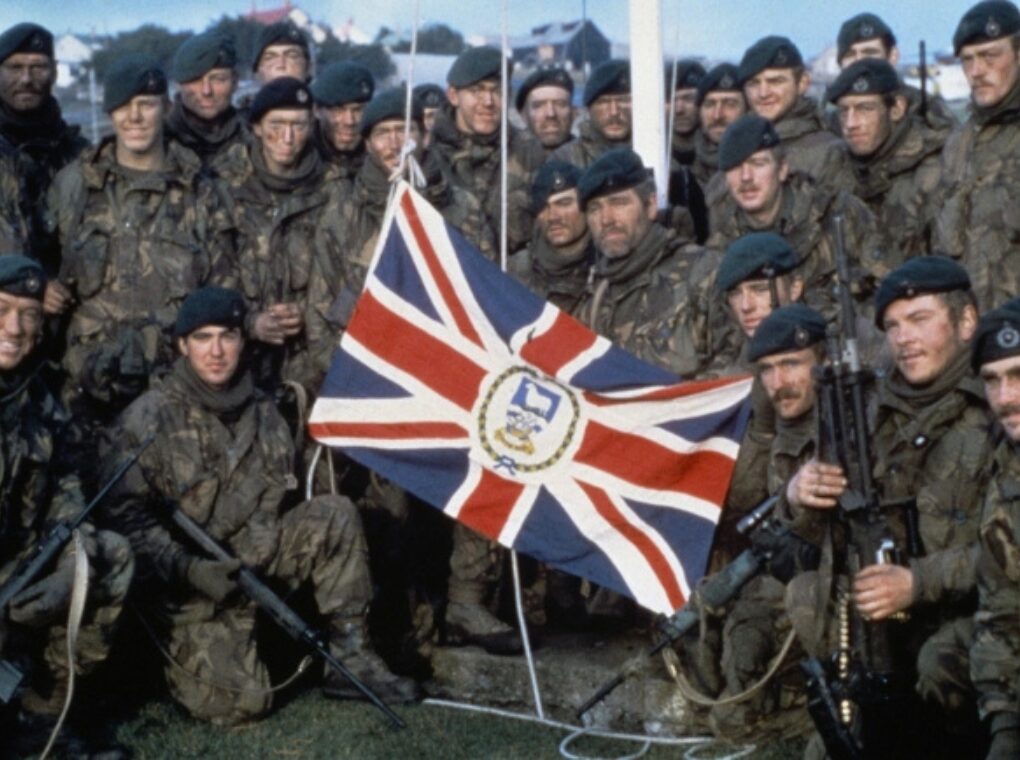
Perhaps the most explosive aspect of the memo is the suggestion that the US could reassess its diplomatic stance on the Falklands. The islands, located in the South Atlantic, have been under British control since 1833 but are also claimed by Argentina. The sovereignty dispute led to the Falklands War, in which British forces ultimately retained control.
For decades, the United States has supported the UK’s position, recognizing British administration over the islands. However, the memo indicates that this stance could be leveraged as a geopolitical tool to pressure London.
British Prime Minister Keir Starmer has previously reaffirmed that the Falklands “are British and will remain British,” signaling that any shift in US policy would likely provoke a strong response from London.
Trump’s Escalating Rhetoric
The reported policy considerations come against the backdrop of Trump’s increasingly confrontational rhetoric toward NATO allies. Frustrated by what he describes as insufficient support in the Iran campaign, Trump has openly criticized leaders like Starmer, even comparing him unfavorably to Winston Churchill.
Trump has also floated the possibility of withdrawing the US from NATO altogether—a move that would fundamentally alter the global security architecture. While the memo does not explicitly propose exiting the alliance, it does suggest reducing US troop presence in Europe and sidelining countries deemed “uncooperative” from key NATO roles.
Wider Geopolitical Implications
Experts warn that such measures could have far-reaching consequences. A US shift on the Falklands issue could embolden Argentina to renew its claims, potentially reigniting tensions in the South Atlantic. It would also signal a dramatic departure from decades of US foreign policy consistency.
Moreover, punitive actions against NATO members risk fracturing the alliance at a time when unity is seen as critical. The Iran conflict has already strained diplomatic ties, with rising oil prices and prolonged military engagement adding to global instability.
The memo also underscores a broader shift in US strategy—one that prioritizes transactional alliances over traditional partnerships. By tying diplomatic support to military cooperation, Washington appears to be redefining the terms of its international relationships.
Pentagon Response and Uncertainty Ahead
When questioned about the memo, Pentagon officials declined to confirm specific details but acknowledged that the administration is exploring “credible options” to ensure allies contribute more effectively. The lack of official denial has only fueled speculation about the seriousness of the proposals.
Despite the dramatic nature of the reported measures, it remains unclear whether any of these options will be implemented. Internal policy discussions often include extreme scenarios that never materialize. However, the mere existence of such proposals highlights the depth of frustration within the US administration.
The reported Pentagon memo has opened a new chapter in transatlantic tensions, raising questions about the ভবure of NATO and the stability of long-standing alliances. With the Iran war dragging on and diplomatic relations under strain, the possibility of the US reassessing its stance on the Falkland Islands marks a significant escalation.
Whether this is a negotiating tactic or a genuine policy shift, the implications are profound. For now, allies are watching closely as Washington recalibrates its approach—one that could redefine global geopolitics in the years to come.