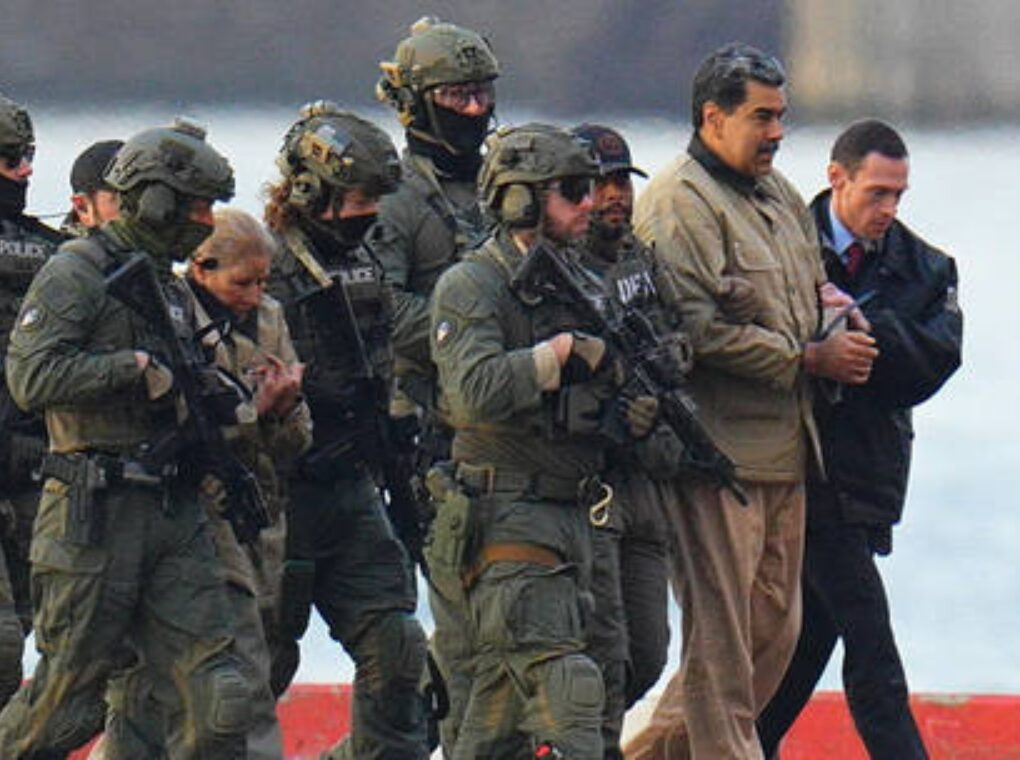
A major scandal has erupted in the United States military after a Special Forces soldier was arrested for allegedly using classified information to profit from high-stakes betting on a covert operation targeting Nicolás Maduro. The case is intensifying scrutiny on prediction markets and their growing intersection with geopolitics and national security.
Insider Betting Using Classified Data
According to the US Department of Justice, Master Sgt. Gannon Ken Van Dyke, a Green Beret, has been charged with multiple federal crimes, including wire fraud, commodities fraud, and unlawful use of confidential government information. Prosecutors allege that Van Dyke leveraged sensitive intelligence from a mission aimed at capturing Maduro to place bets on the outcome of the operation.
The soldier reportedly wagered around $32,000 on Polymarket, a cryptocurrency-based prediction platform, and earned over $400,000 by correctly betting on Maduro’s potential removal from power before January 31, 2026.
Investigators say Van Dyke had direct involvement in the planning and execution phases of the raid, which began in December 2025. Despite signing strict non-disclosure agreements, he allegedly used insider knowledge to gain an unfair advantage in the betting market.
How the Scheme Unfolded
Authorities revealed that Van Dyke transferred approximately $35,000 into a cryptocurrency exchange shortly before the operation. He then placed a series of strategic bets predicting political developments in Venezuela—many of them just hours before key military actions occurred.
The timing of these wagers raised red flags, prompting Polymarket to flag the activity and alert law enforcement. The platform later stated that it maintains a zero-tolerance policy toward insider trading and fully cooperated with the investigation.
Parallel charges have also been filed by the Commodity Futures Trading Commission (CFTC), further underscoring the seriousness of the case and its implications for financial regulation.
Broader Concerns Over Prediction Markets
This incident is not isolated. It comes amid growing global concern over the use of prediction markets to speculate on geopolitical events, including wars, elections, and regime changes.
During the recent US-Israel tensions involving Iran, prediction platforms and traditional markets saw a surge in suspiciously well-timed trades. Reports suggest that over $1 billion in bets were placed on key developments such as airstrikes, ceasefires, and diplomatic announcements.
In one instance, traders reportedly placed an $850,000 bet just before US strikes on Iran, while nearly $950 million was invested in oil futures hours before a ceasefire announcement by Donald Trump. These patterns have raised alarms about potential misuse of privileged information.
Political and Regulatory Fallout
The scandal has also reignited debate over political connections to the prediction market industry. Reports have pointed to advisory and investment ties involving Donald Trump Jr. with platforms like Polymarket and its competitor Kalshi. While no wrongdoing has been proven, the associations have fueled concerns about conflicts of interest.
Meanwhile, the White House had already issued a warning to government staff in March 2026, cautioning against using insider information for financial gain during sensitive military operations. The warning came just after a temporary pause in planned strikes on Iranian infrastructure.
Reacting to the broader controversy, Trump commented that while he disapproves of such betting practices, “the whole world has become somewhat of a casino.”
National Security Implications
Experts warn that the Van Dyke case highlights a dangerous vulnerability in modern warfare and intelligence systems. The monetization of sensitive geopolitical events through decentralized platforms creates opportunities for insiders to exploit classified data for personal gain.
The fact that a highly trained Special Forces operative could allegedly manipulate markets using operational intelligence raises serious questions about internal controls, oversight, and enforcement within the military.
What Happens Next?
Van Dyke, who has served in the US Army since 2008 and was promoted to master sergeant in 2023, is now facing a potentially lengthy prison sentence if convicted. The case is expected to proceed through federal courts in the coming months.
Lawmakers are also reportedly exploring new regulations to limit or ban betting on sensitive geopolitical events, particularly those involving military operations or national security.
As investigations continue, the case could become a landmark moment in redefining the boundaries between finance, technology, and global security—especially in an era where information itself has become one of the most valuable commodities.