
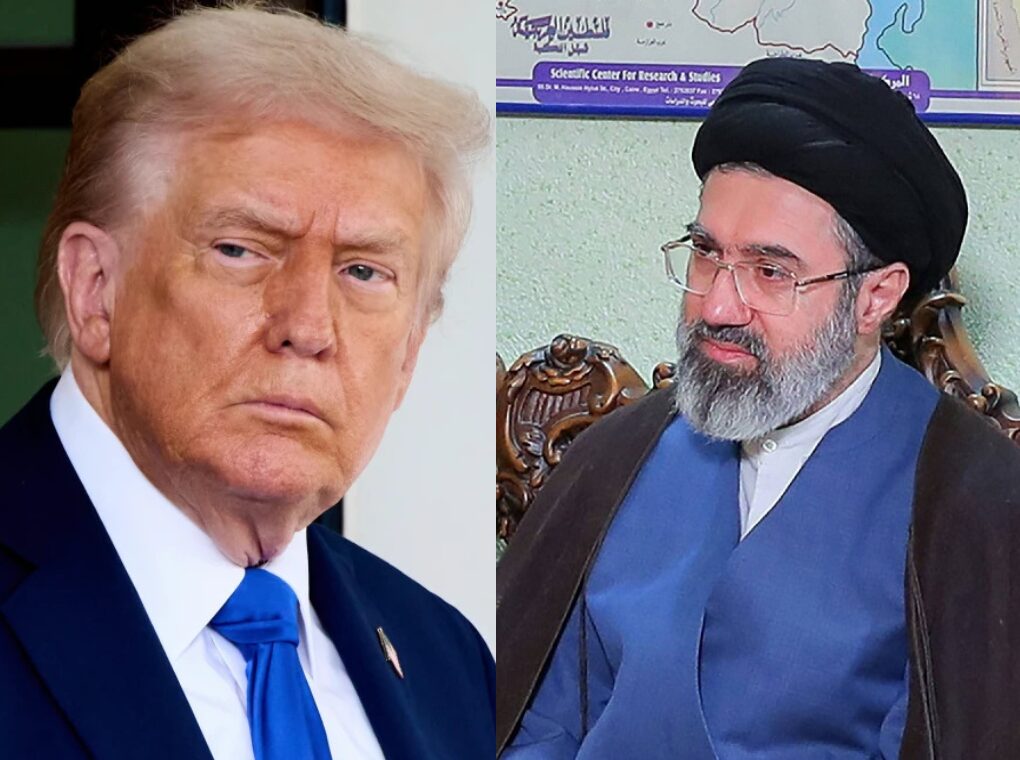
The United States of America and Iran are reportedly on the verge of agreeing to a concise, one-page memorandum of understanding (MoU) aimed at ending their ongoing conflict and paving the way for broader negotiations over Tehran’s nuclear programme. According to multiple reports, the proposed document could serve as a critical breakthrough in easing tensions in West Asia after weeks of heightened military and geopolitical strain.
Sources familiar with the discussions indicate that the White House believes a final agreement could be reached within days, with Iran expected to respond to key provisions within a 48-hour window. The development comes amid cautious optimism in diplomatic circles that a phased de-escalation process may be underway.
How Ceasefire Momentum Builds?
The reported progress follows a recent decision by US President Donald Trump to pause “Operation Freedom,” a naval initiative designed to escort commercial vessels through the strategically vital Strait of Hormuz. The move, reportedly influenced by mediation efforts from Pakistan and other stakeholders, was seen as a signal that Washington is willing to de-escalate in response to diplomatic gains.
Trump stated that “great progress” had been made in negotiations, suggesting that the pause in military operations was intended to preserve an emerging ceasefire and avoid jeopardizing fragile talks. Regional actors, long concerned about disruptions to global oil supply routes, have welcomed the development.
What does the MoU propose?
The draft MoU, reportedly consisting of 14 key points, is envisioned as a preliminary framework rather than a comprehensive peace treaty. Once signed, it would formally declare an end to hostilities and initiate a 30-day negotiation window for a more detailed and binding agreement.
Key areas expected to be addressed in the follow-up negotiations include:
Reopening and securing shipping lanes in the Strait of Hormuz
Establishing limits on Iran’s nuclear activities
Gradual lifting of US-imposed economic sanctions
Talks for the next phase could take place in diplomatic hubs such as Islamabad or Geneva, both known for hosting sensitive international negotiations.
However, Nuclear Issue Remains Core Dispute
At the heart of the negotiations lies the contentious issue of uranium enrichment. The United States has reportedly softened its earlier demand for a 20-year moratorium, now considering a reduced timeframe of 12 to 15 years. Iran, on the other hand, has previously proposed a significantly shorter five-year limit.
In addition to enrichment caps, Washington is pushing for firm commitments from Tehran that it will not pursue nuclear weapons or engage in weaponisation-related research. Another critical clause under discussion would prohibit Iran from operating underground nuclear facilities—an issue that has long been a point of concern for Western powers.
Furthermore, the MoU is expected to include provisions allowing for snap inspections by international bodies, likely under the oversight of agencies such as the International Atomic Energy Agency. These inspections are intended to ensure transparency and compliance with agreed terms.
What is the Role of Mediators and Negotiators?
The negotiations are reportedly being led by US Special Envoy Steve Witkoff and Jared Kushner, alongside Iranian officials, through both direct and indirect channels. Pakistan’s role as a principal mediator has also been highlighted, with sources confirming its involvement in facilitating dialogue between the two sides.
A Pakistani official was quoted as saying, “We will close this very soon. We are getting close,” underscoring the urgency and momentum behind the talks.
and Risks if Talks Collapse
Despite the progress, the situation remains delicate. The proposed MoU reportedly includes provisions allowing the United States to reimpose a naval blockade or resume military operations if negotiations fail during the 30-day window. This underscores the high-stakes nature of the agreement, where diplomatic success and military escalation remain closely intertwined.
Impact on the World
A successful agreement could have far-reaching implications, not just for US-Iran relations but also for global energy markets and regional stability. The Strait of Hormuz handles a significant portion of the world’s oil shipments, and any disruption has immediate economic consequences worldwide.
If finalized, the MoU could mark the first major step toward de-escalation in a conflict that has drawn international concern. However, much will depend on whether both sides can bridge remaining gaps—particularly on nuclear restrictions—and translate this preliminary framework into a durable and enforceable agreement.
As the world watches closely, the coming days may prove decisive in determining whether diplomacy can succeed where confrontation has thus far dominated.