
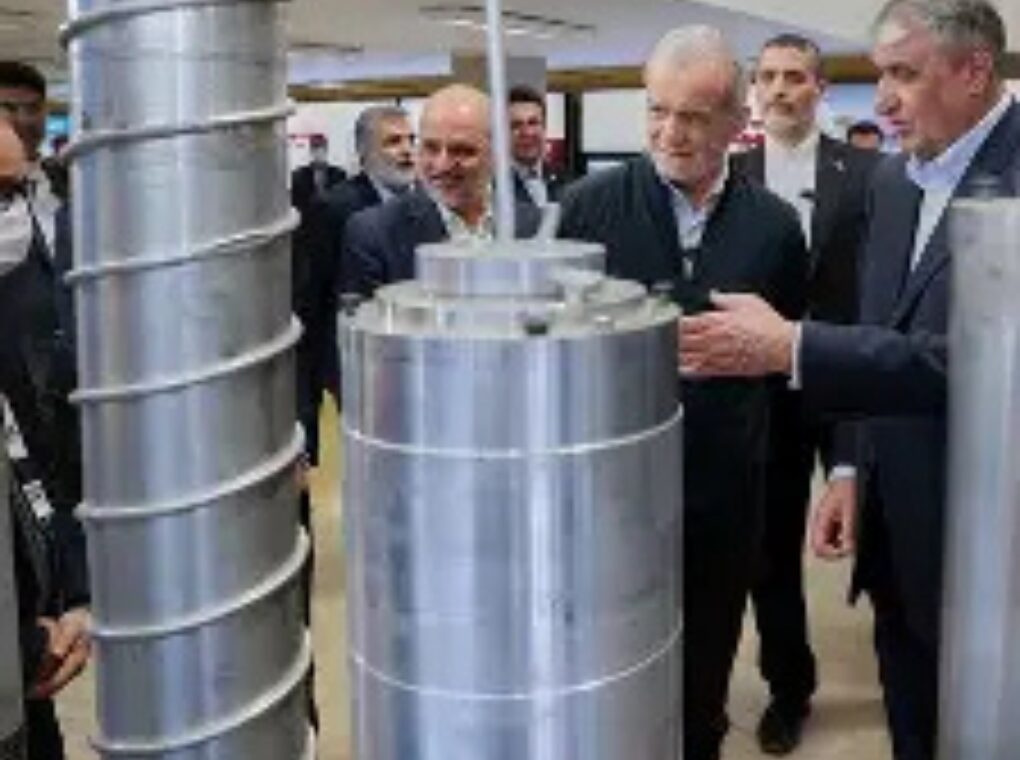
Iran has allegedly proposed handing over its highly enriched uranium stockpile to Russia as part of a renewed diplomatic effort to revive stalled negotiations with the United States, according to regional media reports. The proposal, reportedly transmitted through Pakistani mediation, marks a significant development in ongoing efforts to de-escalate tensions over Tehran’s nuclear programme.
The claim was first reported by Saudi-based broadcaster Al Hadath, which said it had reviewed a leaked document outlining Iran’s latest peace proposal. According to the report, Tehran is willing to freeze key aspects of its nuclear programme for an extended period, provided its stockpile of highly enriched uranium is transferred to Russia instead of being handed over to the United States.
Proposal Emerges Amid Frozen Indirect Talks
The alleged offer comes at a time when indirect negotiations between Washington and Tehran remain stalled. These talks, reportedly mediated by Islamabad, had previously seen limited progress before collapsing following renewed hostilities in the region earlier this year.
According to the report, discussions had been suspended after a brief ceasefire was established in early April, following a month of escalating confrontation involving the United States and Israel against Iran. Both sides have since exchanged competing proposals aimed at restoring diplomatic engagement, but neither has accepted the other’s core conditions.
Iran has consistently maintained that it is not willing to dismantle its nuclear programme entirely, insisting instead on retaining a civilian nuclear capability under international monitoring. The latest reported proposal appears to continue this stance, offering a compromise on uranium stockpile management while preserving core elements of its nuclear infrastructure.
Uranium Stockpile at the Center of Dispute
A key component of the dispute remains Iran’s stockpile of highly enriched uranium. According to estimates from the International Atomic Energy Agency (IAEA), Iran currently possesses more than 400 kilograms of uranium enriched to 60%. While this level remains below the 90% enrichment typically required for weapons-grade material, it is considered a significant technical step away from weapons capability.
The handling and fate of this stockpile has become one of the most sensitive issues in nuclear diplomacy. Western governments, particularly the United States, have repeatedly demanded stricter limitations or removal of enriched material as part of any potential agreement.
Under the reported Iranian proposal, Russia would act as the custodian of the material, a role Moscow has previously played under earlier nuclear arrangements. Russia has also expressed willingness in the past to assist in resolving nuclear tensions by taking custody of enriched uranium as part of negotiated agreements.
Russia Reasserts Its Role in Nuclear Diplomacy
Moscow has reportedly reiterated its readiness to assist in managing Iran’s nuclear materials. Russian officials have previously pointed to their involvement in earlier nuclear arrangements, including the 2015 framework that sought to limit Iran’s enrichment activities in exchange for sanctions relief.
Russian President Vladimir Putin recently stated that Moscow has “complete trust” from Iran and has previously implemented similar arrangements successfully. He emphasized that Russia has consistently adhered to its international commitments and continues to cooperate with Tehran on what it describes as peaceful nuclear energy development.
Russia’s potential role as a neutral intermediary adds another geopolitical layer to the negotiations, especially as tensions between Moscow and Western capitals remain high on multiple fronts.
US Response and Ongoing Disagreements
The United States has reportedly dismissed Iran’s latest proposal as insufficient. According to Axios, citing an unnamed US official, Washington views the changes made in the updated Iranian offer as largely “token” adjustments that do not address core American demands.
US President Donald Trump has repeatedly insisted that Iran should transfer its enriched uranium to the United States as part of any agreement. However, he has also described the issue as partly symbolic, stating in a recent interview that securing the stockpile would be “more for public relations” and would simply make him “feel better.”
Despite these remarks, Washington continues to maintain that strict limits on Iran’s enrichment capabilities are essential to preventing further escalation and ensuring regional security.
Broader Geopolitical Implications
The reported proposal underscores the complex geopolitical balancing act surrounding Iran’s nuclear programme. With direct US-Iran relations effectively frozen, third-party intermediaries such as Pakistan and Russia are increasingly playing critical roles in maintaining communication channels.
If confirmed, Iran’s willingness to transfer enriched uranium to Russia rather than the United States could reflect both strategic trust in Moscow and deep-seated mistrust of Washington. It may also signal an attempt by Tehran to frame Russia as a neutral custodian in nuclear negotiations, rather than a Western-aligned authority.
However, significant obstacles remain. The United States has not indicated any willingness to accept Russia as a final repository for Iran’s nuclear material, and broader disagreements over sanctions relief, verification mechanisms, and enrichment limits continue to stall progress.
While the reported proposal suggests a potential diplomatic pathway to reduce tensions, it remains unclear whether it will gain traction among key stakeholders. With Iran insisting on retaining elements of its nuclear programme, the US demanding stricter controls, and Russia positioning itself as a facilitator, the outcome of these indirect negotiations remains uncertain.
For now, the alleged offer highlights both the fragility of current diplomatic efforts and the continued centrality of Iran’s nuclear stockpile in shaping regional and global security calculations.