
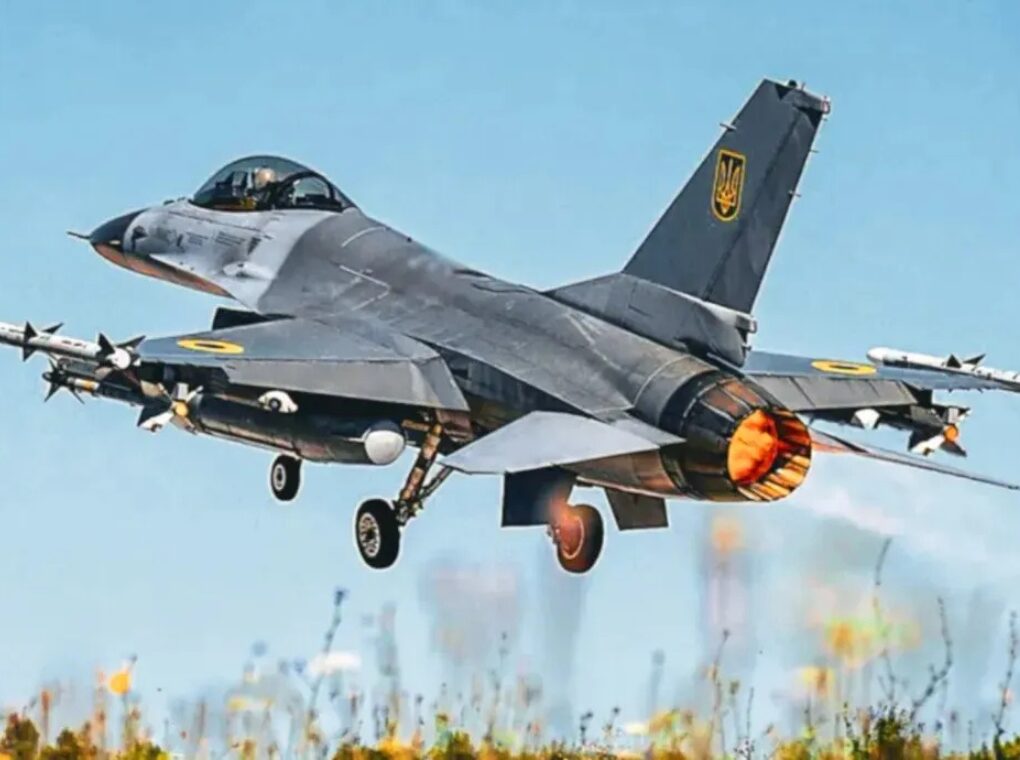
The United States sees India as a main Yardstick of its Indo-Pacific strategy against China. Yet at the same time, Washington continues to sustain one of Pakistan’s most advanced military assets — the U.S.-made F-16 fighter jet ecosystem.
This dual-track policy has sparked concern among strategic observers, who argue that America’s military assistance to Pakistan may unintentionally expose sensitive U.S. defense technologies to Beijing through Islamabad’s deep defense partnership with China.
The issue is not centered on outright espionage or stolen blueprints. Instead, analysts increasingly point to what they describe as “institutionalized exposure” — long-term operational access to systems, procedures, maintenance cycles, software, and battlefield behavior.
U.S.-Pakistan F-16 Partnership Under Scrutiny
In December 2025, Washington approved a $686 million support package for Pakistan’s aging F-16 fleet. According to U.S. officials, the package was intended to improve aircraft safety, maintenance, interoperability, and operational readiness.
The assistance included:
>Avionics upgrades
>Secure communications systems
>Navigation tools
>Mission software support
>Simulators and training systems
>Cryptographic equipment
>Identification systems
>Maintenance and logistics support
>Link 16 tactical data network integration
For Washington, the package is viewed as a way to maintain oversight and operational compatibility with Pakistan’s fleet. However, critics in India see it differently.
Many Indian defense experts argue that keeping Pakistan plugged into advanced American combat architecture creates opportunities for China — Pakistan’s closest military partner — to better understand Western military systems.
Why Link 16 Matters?
At the center of concerns is Link 16, a highly secure tactical data-sharing network used by Western militaries.
Military analysts describe Link 16 as the digital nervous system of modern warfare. It enables fighter aircraft, warships, air defense systems, and command centers to share battlefield information in near real-time.
The system helps coordinate:
>Target identification
>Threat tracking
>Mission assignments
>Secure communications
>Combat coordination
Critics argue that integrating such systems into Pakistan’s military infrastructure potentially exposes patterns of operation, system behavior, and tactical logic to external observation.
The concern is not necessarily about direct technology transfer. Rather, analysts argue that repeated interaction with American systems can reveal valuable insights into operational doctrine, maintenance protocols, software behavior, and electronic signatures.
Pakistan’s Deep Military Ties with China
Pakistan’s defense cooperation with China has expanded significantly over the past two decades.
Islamabad and Beijing jointly developed the JF-17 Thunder fighter jet, while Pakistan also operates Chinese-origin air defense systems, drones, sensors, missiles, and electronic warfare capabilities.
This creates what some strategists describe as a “hybrid military ecosystem,” where American-origin platforms like the F-16 operate alongside Chinese systems.
For Indian observers, the concern lies in whether this environment allows China to gather operational understanding of American military technology over time.
U.S. Monitoring Measures
Washington has long recognized concerns surrounding sensitive technology protection.
Reports indicate that as early as the 1980s, U.S. intelligence agencies warned about the possibility of sensitive F-16 technology reaching China through Pakistan.
To reduce risk, the United States approved a $125 million Technical Security Team package in 2019, designed to ensure strict monitoring of Pakistan’s F-16 program through continuous end-use oversight and security checks.
American officials maintain that such safeguards prevent unauthorized access to critical technologies.
However, skeptics argue that even without direct transfers, proximity and long-term operational overlap can still provide strategic learning opportunities.
Lessons from the 2025 India-Pakistan Military Standoff
The India-Pakistan military confrontation in May 2025 intensified these concerns.
During the crisis, both sides reportedly deployed advanced drones, missile systems, radar networks, electronic warfare tools, and integrated air-defense assets.
Analysts suggest such confrontations provide valuable battlefield data, revealing how systems react, jam, track, intercept, or coordinate under real operational pressure.
From India’s perspective, this means China could potentially observe valuable lessons from Pakistani military operations involving both Western and Chinese-origin systems.
Even defensive success, experts note, can reveal tactical patterns and system behavior.
India’s Strategic Dilemma
In February 2025, India and the United States reaffirmed their defense relationship as a “Comprehensive Global Strategic Partnership,” emphasizing defense co-production, emerging technologies, space, missile defense, maritime security, and deeper military cooperation.
India is widely seen as a key U.S. partner in balancing China’s rise in the Indo-Pacific.
Yet continued American military support for Pakistan creates an uncomfortable contradiction for many in New Delhi.
Critics argue that Washington cannot simultaneously position India as a strategic pillar against China while preserving Pakistan’s access to advanced U.S. military systems that Beijing could potentially study.
Supporters of the U.S. approach counter that maintaining Pakistan’s F-16 fleet under American oversight offers greater visibility and influence than allowing Islamabad to move entirely toward Chinese military hardware.
The Bigger Geopolitical Question
The debate ultimately centers on one question:
Can the United States manage strategic competition with China while sustaining advanced military systems inside a Chinese-aligned security environment?
For India, the concern is less about direct theft and more about long-term exposure.
In an era of data-driven warfare, military advantage increasingly comes not only from possessing advanced technology — but from understanding how an adversary’s systems think, react, and operate.
As Washington deepens ties with India while maintaining legacy defense commitments to Pakistan, the balancing act may become increasingly difficult in an already volatile Indo-Pacific region.