
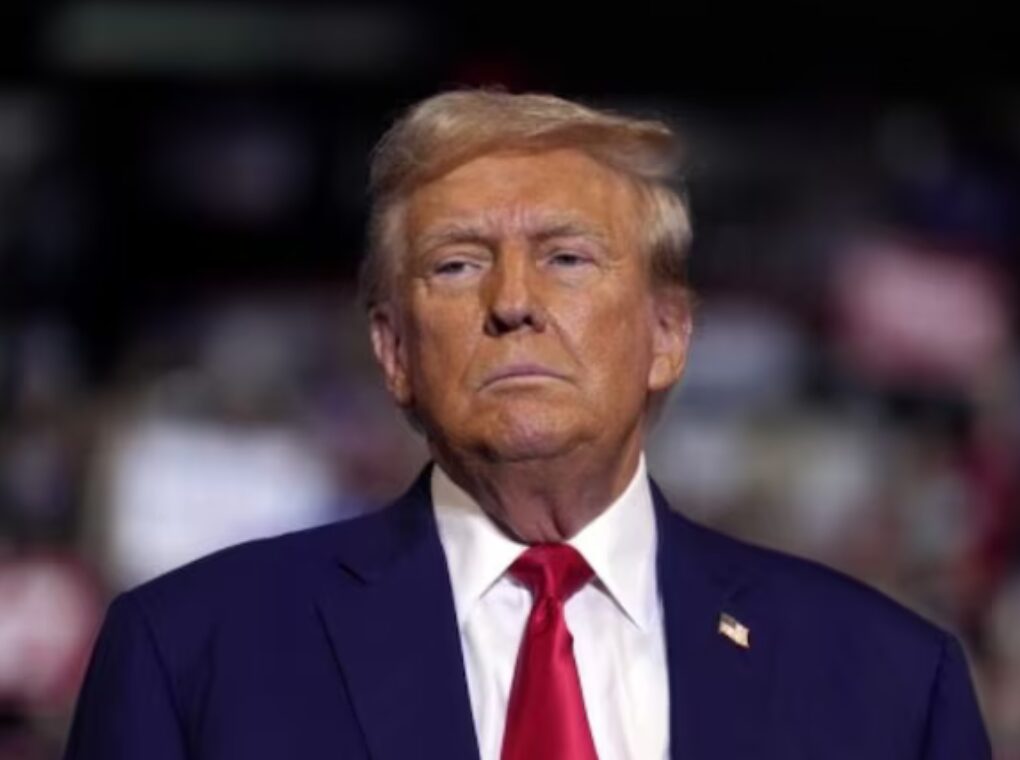
US President Donald Trump has indicated that the White House will once again prioritize ending the Russia-Ukraine conflict after the conclusion of the ongoing Iran crisis, raising fresh hopes for a diplomatic breakthrough while also triggering concerns among European allies about being sidelined from future negotiations.
Speaking at the G7 Summit in France, Trump revealed that his administration plans to redirect its attention toward the Ukraine war once a memorandum of understanding with Iran is finalized later this week.
> “Now that this is finished, we are gonna be focusing on that and see if we can get that one done,” Trump told reporters, referring to efforts to end the Ukraine conflict.
Ukraine Peace Process in a “Situational Pause”
The US-led diplomatic initiative had previously produced several rounds of direct negotiations involving Russia, Ukraine, and American officials. While those talks resulted in significant prisoner exchanges and humanitarian agreements, they stopped short of delivering a comprehensive peace settlement.
Russia recently described the negotiation process as being in a “situational pause” after Washington shifted much of its diplomatic attention toward the escalating tensions in the Middle East.
According to Kremlin officials, preparations are now underway to resume discussions following Trump’s recent phone conversations with Russian President Vladimir Putin and Ukrainian President Volodymyr Zelensky.
Europe Worried About Being Left Out
Trump’s renewed focus on Ukraine has reportedly caused anxiety among several European governments.
Many EU officials fear that Washington could once again engage in direct negotiations with Moscow, reducing Europe’s influence over any eventual settlement.
French President Emmanuel Macron emphasized that any future peace framework must include Ukraine, Europe, Russia, and the United States.
“The right kind of negotiation is one with Ukraine and Russia sitting around the table, and the Europeans and Americans by their side,” Macron said.
Behind closed doors, some European diplomats have reportedly expressed concern that a rapid US-Russia dialogue could reshape the conflict’s outcome without significant European involvement.
Competing Visions for Peace
One of the biggest obstacles remains the fundamentally different visions held by Moscow and Kyiv.
Russia’s Position
Russia insists that any settlement must address what it calls the “root causes” of the conflict. Moscow continues to demand:
> Ukrainian neutrality and non-NATO status
>Recognition of territorial realities on the ground
>Protection of Russian-speaking populations
>Limits on Ukraine’s military capabilities
>Withdrawal of Ukrainian forces from disputed territories
Russian officials have repeatedly rejected proposals for a temporary ceasefire, arguing that such pauses would merely allow Ukraine to regroup and rearm.
Ukraine’s Position
President Zelensky remains firm that Ukraine will not formally recognize Russian sovereignty over territories claimed by Moscow.
Kyiv continues to push for:
>An immediate ceasefire
>Continued Western military support
>Security guarantees from allies
>European participation in negotiations
>Preservation of Ukraine’s sovereignty and territorial integrity
Zelensky has also made clear that Ukraine opposes any settlement negotiated solely between Washington and Moscow without Kyiv’s direct participation.
Trump’s Peace Blueprint
Reports suggest that the Trump administration previously proposed a broad peace framework that underwent multiple revisions.
Early drafts reportedly included:
> Ukraine abandoning NATO membership ambitions
>Military size limitations
>Territorial compromises
> Long-term security arrangements
Later versions were allegedly modified following consultations with European allies and included stronger security guarantees for Ukraine alongside reconstruction assistance and a path toward European Union integration.
Neither Washington nor Moscow has publicly released the full details of the proposals.
What Happens Next?
The coming weeks could prove decisive.
Trump’s envoys are expected to resume contacts with Russian officials after concentrating on the Iran conflict in recent months. At the same time, discussions between Kyiv, Washington, and European capitals are likely to intensify as all sides attempt to shape the next phase of negotiations.
Despite years of war, battlefield pressure, and diplomatic setbacks, both Trump and Putin have recently signaled openness to continued dialogue, while Zelensky has emphasized the need for coordinated international efforts.
Whether these renewed diplomatic efforts can bridge the enormous gaps between Moscow’s and Kyiv’s positions remains uncertain.
However, with the Iran crisis potentially winding down and Washington preparing to re-engage, the Ukraine peace process may soon move from a prolonged pause back into active negotiations—potentially determining the future of Europe’s largest conflict since World War II.