The G7 Summit may have ended, but one decision from Washington is likely to reverberate far beyond the diplomatic headlines. In a move that has stunned strategic observers, U.S. President Donald Trump has restored the name of America’s main military command in Asia from the U.S. Indo-Pacific Command (INDOPACOM) back to the U.S. Pacific Command (PACOM).
While the Pentagon insists this is merely a symbolic return to a historic title, analysts say the timing and implications could signal something much bigger: a shift in Washington’s strategic priorities and a potential weakening of the QUAD framework.
The announcement came on June 16, just ahead of Indian Prime Minister Narendra Modi’s bilateral meeting with Trump at the G7 summit.
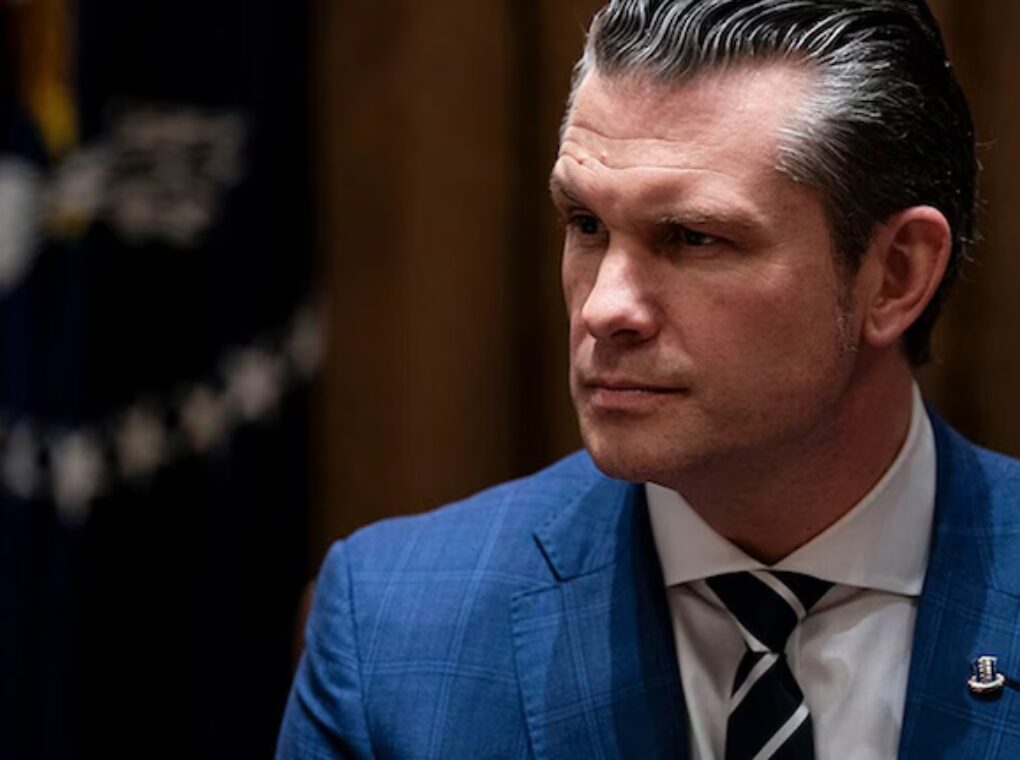
U.S. Defense Secretary Pete Hegseth confirmed the change with a brief but striking statement on social media: “U.S. Pacific Command… is back.”
Why the Name Change Matters
On paper, Washington claims nothing has changed.
The command’s operational area still stretches from the western coast of the United States to India’s western border. Military deployments remain intact. Alliances remain in place.
But in geopolitics, symbols often speak louder than policy papers.
When the command was renamed from Pacific Command to Indo-Pacific Command in 2018 under then-Defense Secretary Jim Mattis, it was widely viewed as a major strategic shift. That change recognized two realities:
The Indian Ocean had become just as strategically important as the Pacific.
India had emerged as a critical counterweight to China.
The Indo-Pacific framework quickly became central to U.S. strategy and the backbone of the Quadrilateral Security Dialogue (QUAD)—the strategic grouping of the United States, India, Japan, and Australia aimed at maintaining a free and open Indo-Pacific.
Is Trump Recalibrating U.S. Asia Strategy?
By removing “Indo” from the command name, critics argue Trump may be signaling a narrower strategic focus—one centered primarily on East Asia and the Pacific, rather than the wider Indian Ocean region.
For India, this matters.
New Delhi embraced the Indo-Pacific doctrine as a validation of its rise as a major regional power. Prime Minister Modi repeatedly positioned India at the heart of this architecture, emphasizing freedom of navigation, regional connectivity, and strategic balance.
The rollback now raises uncomfortable questions:
Is Washington reducing India’s importance in its Asia strategy?
Could QUAD lose strategic relevance?
Is America shifting back to a China-first containment model focused on the Pacific?
China Watching Closely as Taiwan Tensions Grow
The timing is especially significant.
China has been increasing military pressure around Taiwan, with growing concerns over a possible escalation in the Taiwan Strait.
China has consistently criticized the Indo-Pacific concept, calling it an American-led attempt to contain Beijing’s rise.
If Washington is indeed stepping away from the broader Indo-Pacific doctrine, Beijing may view it as an opportunity to reshape the regional balance of power.
This could have direct consequences not only for Taiwan, but also for India’s strategic posture in the Indian Ocean.
A Cosmetic Move or Strategic Shift?
The Trump administration insists this is merely a restoration of legacy branding.
But history shows strategic language matters.
Military naming conventions often reflect deeper geopolitical thinking. The “Indo-Pacific” concept was more than a label—it was a strategic acknowledgment of India’s central role in balancing China.
Now, its removal is being interpreted by many as a symbolic downgrading of that role.
For QUAD nations, the bigger concern is not what has changed today—but what could change next.
Will this remain a cosmetic adjustment, or is it the first sign of a larger U.S. strategic withdrawal from the Indo-Pacific framework?
For now, Washington says the mission remains the same.
But in a region increasingly defined by competition between the United States and China, every symbol—and every signal—matters.