
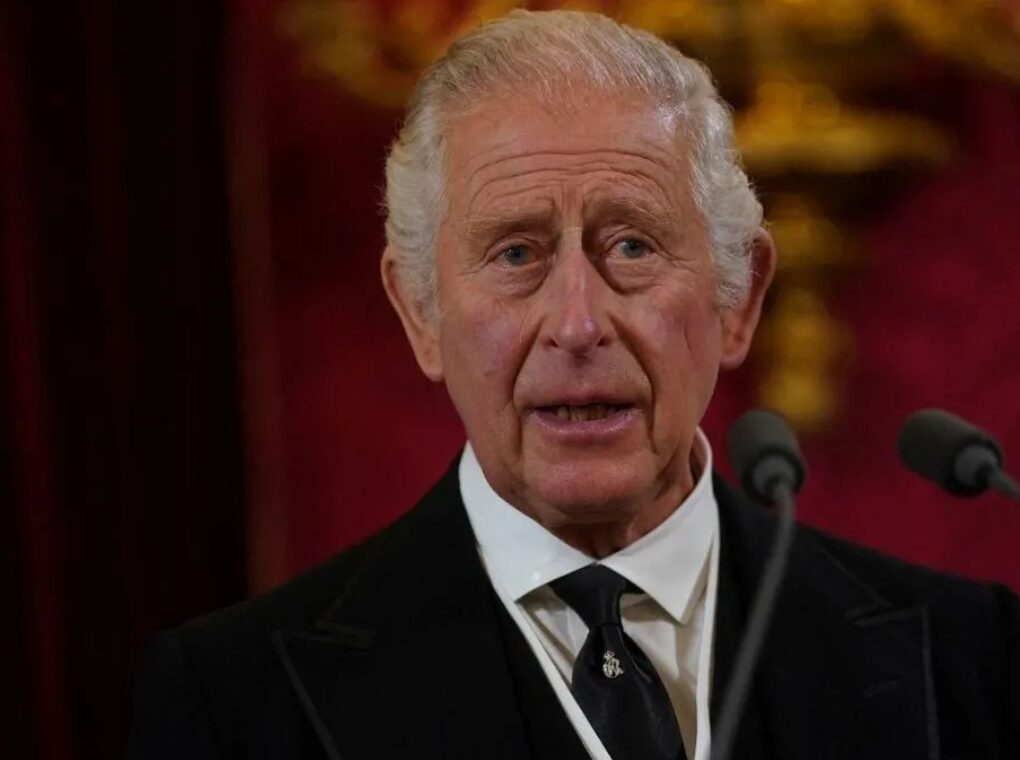
Public support for the British monarchy has fallen to its lowest point in more than 30 years, signaling what experts describe as a major generational shift in attitudes toward the royal institution.
A new Ipsos survey reveals that support for the monarchy has dropped to just 55 percent in 2026, down sharply from around 80 percent in 2012. The latest figure marks the lowest level recorded since Ipsos began tracking public opinion on the issue in 1993 and sits well below the long-term average of 71 percent.
The findings suggest that while the monarchy remains a core part of British tradition, its future may no longer be as secure as it once seemed.
Young Britons Driving Anti-Monarchy Sentiment
The most dramatic decline in support has emerged among younger generations.
According to the survey, only about one-third of Britons aged 18 to 34 now support the monarchy. Meanwhile, 45 percent in that age group favor replacing the royal system with a republic, where the head of state would be elected rather than inherited.
This marks a significant shift compared to just a decade ago, when younger voters were far more divided on the issue.
Political analysts say this trend could have major long-term implications, as generational attitudes often shape future constitutional debates.
Royal Family Controversies Continue to Weigh on Public Opinion
One of the key factors behind the monarchy’s declining popularity appears to be the continued fallout from scandals involving members of the royal family.
Among the most damaging has been the ongoing controversy surrounding Prince Andrew and his links to convicted sex offender Jeffrey Epstein.
The scandal has persisted for years, but fresh revelations in 2026 have reportedly intensified scrutiny. Public opinion has turned sharply against Prince Andrew, with more than 90 percent of Britons expressing negative views of him in recent polling, making him the least popular royal by a wide margin.
While King Charles III and Prince William continue to maintain relatively positive approval ratings, the institution itself appears to be suffering from wider reputational damage.
The Monarchy Faces a Changing Global Landscape
Beyond domestic controversies, the monarchy is also confronting a broader global shift.
Across the former British Empire, the symbolic influence of the Crown has steadily weakened. In 2021, Barbados officially became a republic, removing the British monarch as head of state while remaining part of the Commonwealth.
That move has inspired debates in other Commonwealth nations, including Canada and Australia, where republican movements continue to gain traction.
The changing political and economic landscape has also reduced Britain’s global influence, further altering how younger generations perceive the monarchy.
Is the Monarchy Becoming Outdated?
For many younger Britons, the monarchy is increasingly viewed as an expensive institution tied to a bygone era rather than a symbol of national stability.
Critics argue that the royal family no longer reflects modern democratic values, while supporters insist it remains a unifying national symbol and an important part of British identity.
Despite declining support, the monarchy still commands majority backing across the country. However, the latest polling suggests that Britain may be entering a period of deeper constitutional questioning.
The central question now is no longer whether support is falling — but whether this generational shift could eventually reshape the future of the United Kingdom itself.
If current trends continue, Britain may soon face a debate that once seemed unimaginable:
Can the monarchy survive in a society that increasingly questions its purpose?