
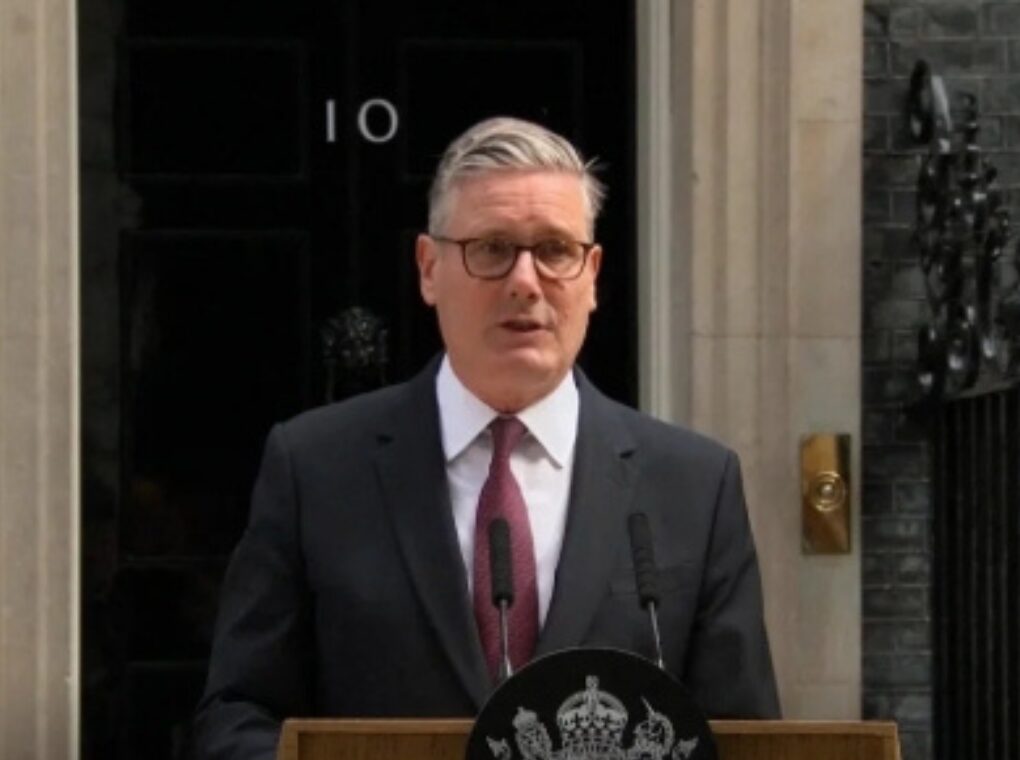
In a dramatic political development, UK Prime Minister Keir Starmer has announced his resignation as leader of the Labour Party, triggering fresh political uncertainty and setting Britain on course for its sixth prime minister in just seven years.
The announcement came after growing pressure from within the ruling Labour Party, with senior MPs reportedly questioning Starmer’s ability to lead the party into the next general election.
In an emotional resignation speech outside Downing Street, Starmer reflected on his journey, saying that becoming prime minister two years ago was “the proudest moment” of his life.
Why Is Keir Starmer Resigning?
Starmer acknowledged that while he successfully rebuilt Labour from what he described as a “politically, financially and morally bankrupt” party, internal confidence in his leadership had weakened.
“The question my party is asking now is whether I am best placed to lead us into the next general election. I have heard the answer… and I accept that answer with good grace,” Starmer said.
His resignation follows months of internal tensions despite Labour’s landslide victory in the 2024 general election.
Starmer to Stay Until Successor Is Chosen
Starmer confirmed he will remain as prime minister until the Labour Party completes its leadership contest. The party’s National Executive Committee will begin nominations on **July 9**, with the process expected to conclude before Parliament resumes in September.
He also revealed that he had already informed King Charles III of his decision.
Andy Burnham Emerges as Frontrunner
Political analysts have identified Andy Burnham as the leading contender to replace Starmer. Burnham recently secured a major political victory in northwest England, boosting his national profile and strengthening his leadership bid.
If Burnham succeeds, it could mark a major shift in Labour’s political direction ahead of the next election.
Starmer Defends His Legacy
During his speech, Starmer defended his government’s achievements, highlighting:
>Stronger economic growth compared to European peers
>Rising wages outpacing inflation
>Major NHS waiting list reductions
>Expanded workers’ and renters’ rights
>Increased defence spending
>Reduced illegal migration through small boat crossings
>Improved UK relations with European allies
>Continued support for Ukraine
He said his administration had delivered “change promised, fought for, and achieved.”
What Happens Next?
The resignation opens a fresh chapter in British politics at a critical time for the country. With Labour now entering a leadership contest, questions remain over whether the party can maintain unity and momentum.
Britain has seen rapid leadership changes in recent years, and Starmer’s departure adds another layer of uncertainty to the nation’s political future.
As the Labour Party prepares to elect its next leader, all eyes will be on who will inherit the challenges of governing a divided and evolving Britain.