
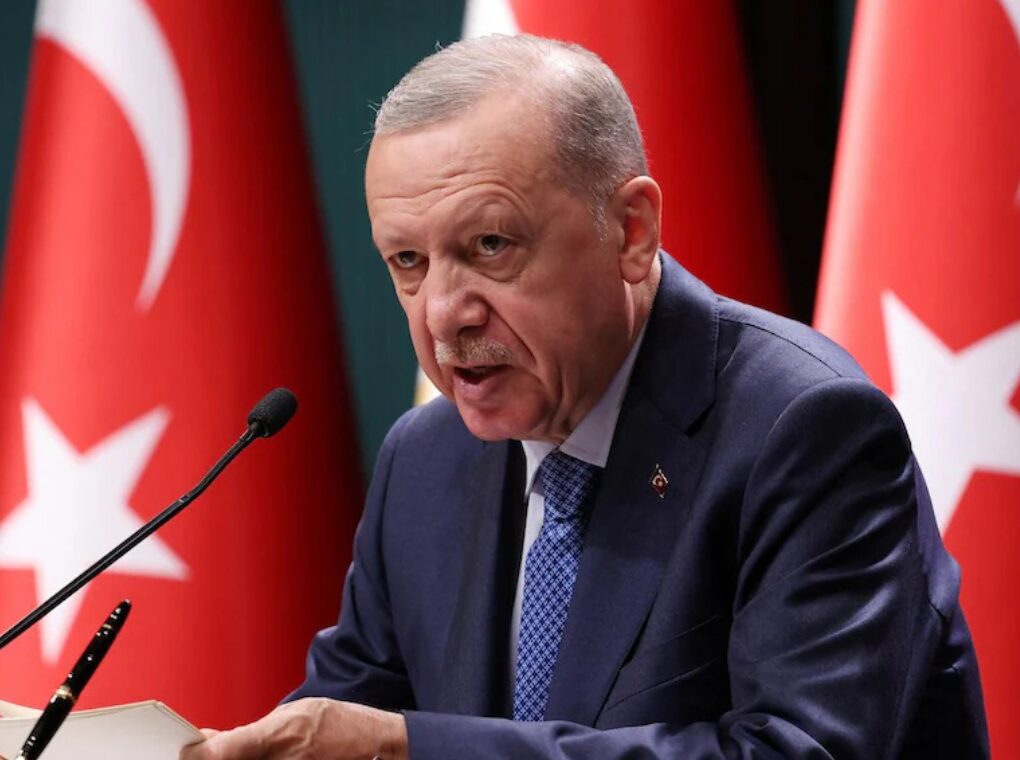
Turkey occupies a unique position in global politics, simultaneously courted and distrusted by many of its international partners. Its geographic placement, straddling the junction between Europe and Asia, has given it a strategic advantage that continues to make it a central figure in regional and global affairs. Yet, its unpredictable diplomacy and transactional style of engagement often erode confidence among allies and adversaries alike.
Strategic Value, Questionable Reliability
At the heart of the tension lies Turkey’s approach to foreign relations, which leans heavily on maximizing leverage rather than fostering consistent alliances. This pattern has led many global observers to view Ankara as a power that plays all sides to its benefit. As a NATO member, Turkey hosts critical Western military infrastructure, including the Incirlik Air Base used by U.S. forces. Despite this, Ankara has on several occasions restricted the use of these facilities, particularly during operations targeting neighboring regions.
Adding to this unease is Turkey’s decision to purchase Russia’s S-400 missile defense system. The move contradicted NATO protocols and provoked sanctions from the United States, along with Turkey’s suspension from the F-35 fighter jet program. It served as a clear signal that Turkey was willing to act outside the bounds of alliance consensus when national interests were at stake.
A Pattern of Tactical Opportunism
Turkey’s foreign engagements in Northern Cyprus, the Eastern Mediterranean, Syria, and Libya have followed a similar pattern. Assertive maritime claims and military incursions have drawn concern from European Union states. Turkey’s support for factions in Syria and its involvement in Libya have raised alarms regarding its role in perpetuating instability in regions already beset by conflict.
India, for instance, has grown increasingly wary of Turkey’s posture, particularly following Ankara’s vocal support for Pakistan. Bilateral ties have cooled noticeably in the wake of events like the Pahalgam terror incident. In response, New Delhi has begun recalibrating its diplomatic and economic stance, reducing engagements in trade and tourism with Turkey.
Russia’s relationship with Turkey is equally complex. While both countries collaborate on energy and defense matters, their historically divergent geopolitical goals necessitate a delicate balancing act. Cooperative gestures are often offset by underlying mistrust, underscoring the fragile nature of this strategic understanding.
Domestic Underpinnings
Internally, President Recep Tayyip Erdoğan’s administration has been the subject of sustained international criticism. Suppression of political dissent, media censorship, and human rights violations have been noted across global platforms. These domestic challenges mirror Turkey’s foreign policy: pragmatic, forceful, and often unyielding.
Despite these concerns, Turkey continues to wield considerable economic and geopolitical influence. Its economy, while uneven and beset with structural issues, ranks among the top twenty globally. Moreover, Turkey’s management of refugee flows into Europe, where it hosts millions of displaced persons, has become a powerful negotiating tool with EU institutions.
Navigating the Unpredictable
One of the enduring features of Turkey’s international engagement is its ability to operate effectively in a multipolar world. It has established a working rapport with both Western nations and Eastern powers like China and Russia. This “strategic autonomy” has become central to Ankara’s vision of foreign policy, allowing it to remain relevant and influential, even as it resists being fully aligned with any single bloc.
Observers often describe Turkey’s diplomacy as “bazaari”—a term evoking its highly transactional and bargain-focused nature. While this strategy ensures short-term gains, it has come at the expense of long-term trust. Critics argue that Turkey’s unpredictability makes it a difficult partner. Yet few can afford to disengage from it entirely.
As one commentator aptly noted, Turkey continues to shoulder the burden of hosting refugees, projecting military power, and facilitating regional diplomacy, only to find its actions constantly scrutinized. This paradox—of being indispensable yet mistrusted—defines Turkey’s contemporary role in global affairs.
Conclusion
Turkey’s foreign policy is neither wholly cooperative nor entirely confrontational. It is defined by pragmatism, calculated risk-taking, and a keen sense of geopolitical timing. While its methods have alienated many, its strategic importance ensures that global actors continue to engage with it, albeit cautiously. The challenge for the international community lies in managing this essential, yet often erratic, partner.