TFIGlobal
TFIGlobal
TFIPOST English
TFIPOST हिन्दी
No Result
View All Result
  • Indo-Pacific
  • Americas
  • Canada
  • Indian Subcontinent
  • West Asia
  • Europe
  • Africa
  • The Caribbean
TFIGlobal
  • Indo-Pacific
  • Americas
  • Canada
  • Indian Subcontinent
  • West Asia
  • Europe
  • Africa
  • The Caribbean
No Result
View All Result
TFIGlobal
TFIGlobal
No Result
View All Result
  • Indo-Pacific
  • Americas
  • Canada
  • Indian Subcontinent
  • West Asia
  • Europe
  • Africa
  • The Caribbean

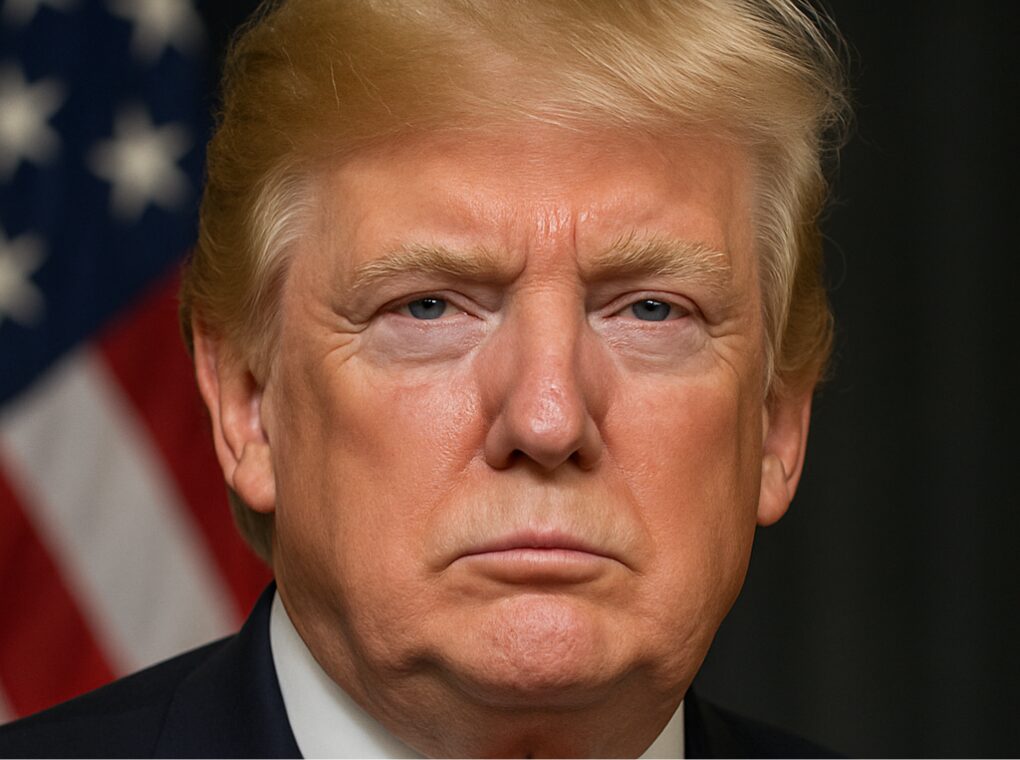
Indeed! Donald Trump Deserve ‘Nobel Peace Prize’ for ‘Abraham Accords’

Smriti Singh by Smriti Singh
June 21, 2025
in Geopolitics
Trump Administration Floats Radical “Core 5” Concept Including China, India, and Russia, Excluding Europe and Sidelining G7 

Trump Administration Floats Radical “Core 5” Concept Including China, India, and Russia, Excluding Europe and Sidelining G7 

Share on FacebookShare on X

In recent months, renewed attention has focused on U.S. President Donald Trump’s role in brokering the Abraham Accords, with supporters arguing that the historic normalization agreements between Israel and several Arab nations merit Nobel Peace Prize recognition. Critics, however, remain sharply divided over the legacy and long-term impact of the deals.

What Were the Abraham Accords?

Also Read

“No Nobel, No Peace”: Trump Cites Nobel Prize Snub to Demand Total US Control of Greenland in a Message to Norway

Israel recognizes Somaliland, as Tel Aviv now steps into the geopolitics of the Red Sea with the Houthis and Iran in range

Donald Trump becomes the accidental peace maker of Asia? How Trump’s Nobel Prize pursuit may have pushed India and China together

Signed in 2020, the Abraham Accords marked the normalization of diplomatic relations between Israel and the United Arab Emirates, followed by Bahrain, Sudan, and Morocco. These agreements represented a major shift in Middle Eastern diplomacy, breaking with the long-standing Arab consensus to condition ties with Israel on the resolution of the Palestinian issue.

Brokered under the Trump administration—with close involvement by Trump’s son-in-law and advisor Jared Kushner—the accords were hailed by some as a breakthrough for peace in the region, ending decades of silence and opening up channels for trade, tourism, and technological cooperation.

The Case for the Nobel Peace Prize

Trump’s supporters argue that his unconventional diplomatic approach helped achieve tangible progress where traditional efforts had long failed. “No other modern U.S. president has facilitated such direct peace agreements in the Middle East since Carter’s Camp David Accords,” said Richard Goldberg, a former U.S. National Security Council official.

Proponents also point to the absence of war or major conflict between signatory states since the agreements were signed as evidence of their stabilizing impact.

Senator Lindsey Graham recently reignited the call for Nobel recognition, stating in an interview: “Love him or hate him, Trump accomplished something in the Middle East that very few believed possible. That should be recognized at the highest level.”

Critics Push Back

However, not all observers are convinced. Detractors argue that the Abraham Accords sidestepped the Israeli Palestinian conflict and offered little more than strategic realignment against Iran, rather than genuine reconciliation.

“Calling this ‘peace’ without resolving the core issue is misleading,” said Hanan Ashrawi, a Palestinian politician and activist. “It’s normalization for economic and military gain—not for justice.”

Others note that the deals were facilitated through arms sales and political incentives, including U.S. recognition of Morocco’s claim to Western Sahara, raising ethical and legal concerns.

Nobel Committee Silent

The Nobel Peace Prize Committee, based in Oslo, has not commented on the renewed debate. According to the prize rules, nominations are kept confidential for 50 years, though several lawmakers and academics have publicly said they nominated Trump in past years.

While the final decision rests with a five-member Norwegian committee, political controversies have historically influenced Nobel decisions, making it uncertain whether Trump will ever receive the honor.

A Lasting Legacy?

Regardless of accolades, the Abraham Accords have reshaped regional dynamics. With further potential normalization between Israel and Saudi Arabia reportedly on the table, Trump’s role in triggering this wave of diplomacy may continue to be debated for years to come.

As the Middle East navigates new alliances and evolving threats, one question remains: Was Trump’s deal-making a path to lasting peace—or a political detour with unresolved consequences?

Tags: Abraham AccordsDoald TrumpNobel Peace prizePakistan nominates Trump for Nobel peace prize
ShareTweetSend
Smriti Singh

Smriti Singh

Endlessly curious about how power moves across maps and minds

Also Read

A military satellite orbiting above Earth, with other satellites in the distance and a blue beam linking two spacecraft, symbolizing the growing space weapon and the emerging US-Russia-China orbital rivalry

Washington Finally Says It Out Loud: America Has Weapons in Space

September 15, 2026
A US dollar bill breaking apart beside BRICS flags, a glowing globe, cargo ship and stacks of currencies, symbolising de-dollarisation and the shift toward a multipolar financial system.

BRICS De-Dollarisation: Is the World Leaving the Dollar?

September 13, 2026
BRICS emblem above an empty international summit table, with a global trade port, UN-style building, currency, justice scales and critical minerals symbolising geopolitics and multilateral cooperation

BRICS Declaration Backs South Africa’s G20 Seat and Criticises Tariffs, Without Naming any Country

September 13, 2026
“Cinematic depiction of China–Iran–US tensions, showing Xi Jinping and Donald Trump flanking a reconnaissance satellite surveying a military air base, with Iranian ballistic missiles launching in the background.”

Chinese Eyes, Iranian Missiles: Us Traces A Satellite Trail To The Attack iJordan

September 13, 2026
Indian Prime Minister Narendra Modi and Chinese President Xi Jinping shake hands during a formal diplomatic meeting, with the Indian and Chinese flags displayed behind them.

Modi and Xi Met for Under an Hour. Their Governments Told Two Different Stories

September 13, 2026
Kim Jong Un watches missiles launches as U.S., Japanese and South Korean warships patrol the sea, with Trump and Iran's leadership depicted amid a backdrop of military escalation and conflict.

North Korea Fires Missiles Into the Sea as Washington’s War on Iran Grinds On

September 13, 2026
Youtube Twitter Facebook
TFIGlobalTFIGlobal
Right Arm. Round the World. FAST.
  • About Us
  • Contact Us
  • TFIPOST – English
  • TFIPOST हिन्दी
  • Careers
  • Brand Partnerships
  • Terms of use
  • Privacy Policy

©2026 - TFI MEDIA PRIVATE LIMITED

Welcome Back!

Login to your account below

Forgotten Password?

Retrieve your password

Please enter your username or email address to reset your password.

Log In

Add New Playlist

No Result
View All Result
  • Indo-Pacific
  • Americas
  • Canada
  • Indian Subcontinent
  • West Asia
  • Europe
  • Africa
  • The Caribbean
TFIPOST English
TFIPOST हिन्दी

©2026 - TFI MEDIA PRIVATE LIMITED

This website uses cookies. By continuing to use this website you are giving consent to cookies being used. View our Privacy and Cookie Policy.