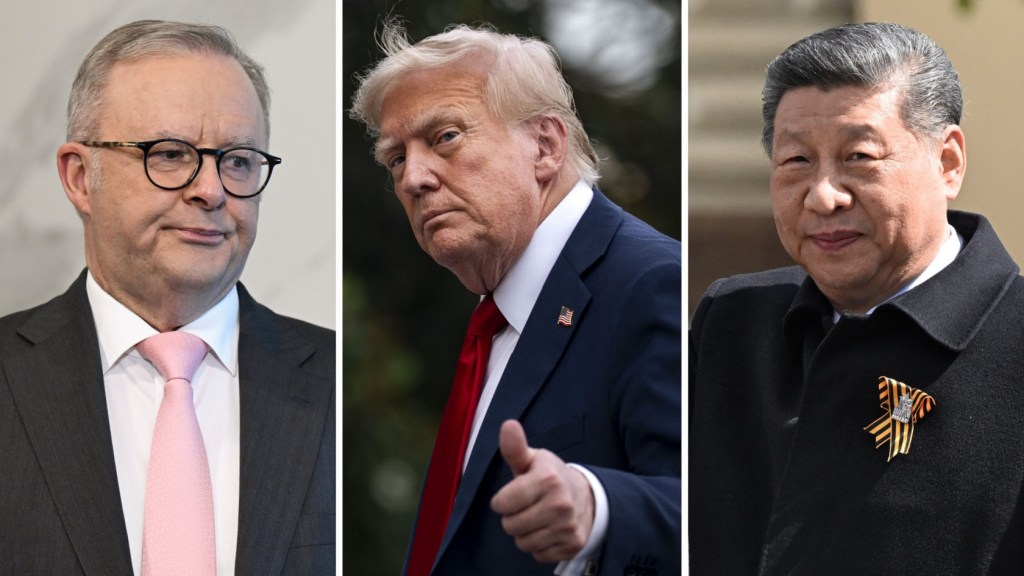
The U.S. Pentagon is stepping up its efforts to secure clear defence commitments from two pivotal Indo-Pacific allies—Japan and Australia—in the event of a war with China over Taiwan. According to a Financial Times investigation, U.S. Under‑Secretary of Defense for Policy Elbridge Colby has pressed Tokyo and Canberra to outline their specific roles should a cross‑Taiwan Strait conflict erupt.
Colby, a strategic hawk advocating for refocusing U.S. deterrence in the Pacific, has underscored the need for “concrete operational planning and exercises that have direct application to a Taiwan contingency”. He’s also urging greater defence spending among allies, reportedly targeting 5 % of GDP, building on Washington’s broader “peace through strength” doctrine.
The request has caught both countries off guard. Tokyo officials labelled it a “hypothetical” question difficult to answer due to constitutional constraints. Australian Defence Industry Minister Pat Conroy firmly stated that Canberra will not pre‑commit troops in advance—the decision would rest with the government at the time.
Prime Minister Anthony Albanese, on a trade visit to China, reiterated Australia’s stance in Shanghai: Canberra “supports the status quo” in Taiwan but won’t discuss hypothetical defence commitments.
China has recently escalated military exercises near Taiwan, triggering alarm in the U.S. due to growing concerns that Beijing may be preparing invasion scenarios. In response, the U.S. has expanded its regional posture—deploying missiles in the Philippines, increasing Guam presence, and holding major joint exercises like Talisman Sabre.
Diplomatic Tension
The Pentagon’s push has raised eyebrows. Critics, including China’s state-run Global Times, accuse the U.S. of coercive tactics, asserting that using Taiwan as leverage “hijacks” allies and unnecessarily escalates regional tensions.
Australia, in particular, advocates a middle path—supporting deterrence without committing to war in advance. Minister Conroy emphasized sovereignty: “We don’t discuss hypotheticals… only the elected government can decide”.
For Washington, clearer allied roles would strengthen deterrence, signal resolve to Beijing, and tighten Indo‑Pacific defence coordination.
On the other hand, For Tokyo & Canberra, The demands test domestic legal, political, and public support constraints. Premature commitments could backfire politically.
In response, China may interpret the moves as U.S. weaponization of allies, potentially prompting a more aggressive posture toward Taiwan and regional diplomacy.
Next Steps for Australia and Japan
Diplomatic and defence discussions between the U.S., Japan, and Australia are expected to deepen in the coming months. Key upcoming milestones include:
Review of the AUKUS submarine-sharing pact. Japan’s defence planning is in line with its pacifist constitution, and Australia’s defense budgeting ahead of the Talisman Sabre 2025 exercise and deployment of Virginia‑class submarines.
The Pentagon’s demand represents a bold effort to fortify alliance readiness. However, Tokyo and Canberra have drawn a clear line: no pre-committing troops. The two countries have a number of internal issues, and a full-blown attack on China will likely devastate their economies. Even participating in such an effort will make them fronts like Europe, which have been funding Ukraine for years, draining their resources without any real dividends.
The US would likely prefer that Australia and Japan take the lead and damage China, which will in turn deplete all three nations while the US can back the war from the background like they backed Zelensky and have to portion of backing away as well. Australia and Japan understand this and seem to want no part in these moves. Whether the US can somehow change its mind, only time will tell, as that would mean a complete Sea war in the Indo-Pacific, something the world hasn’t seen for a long time.