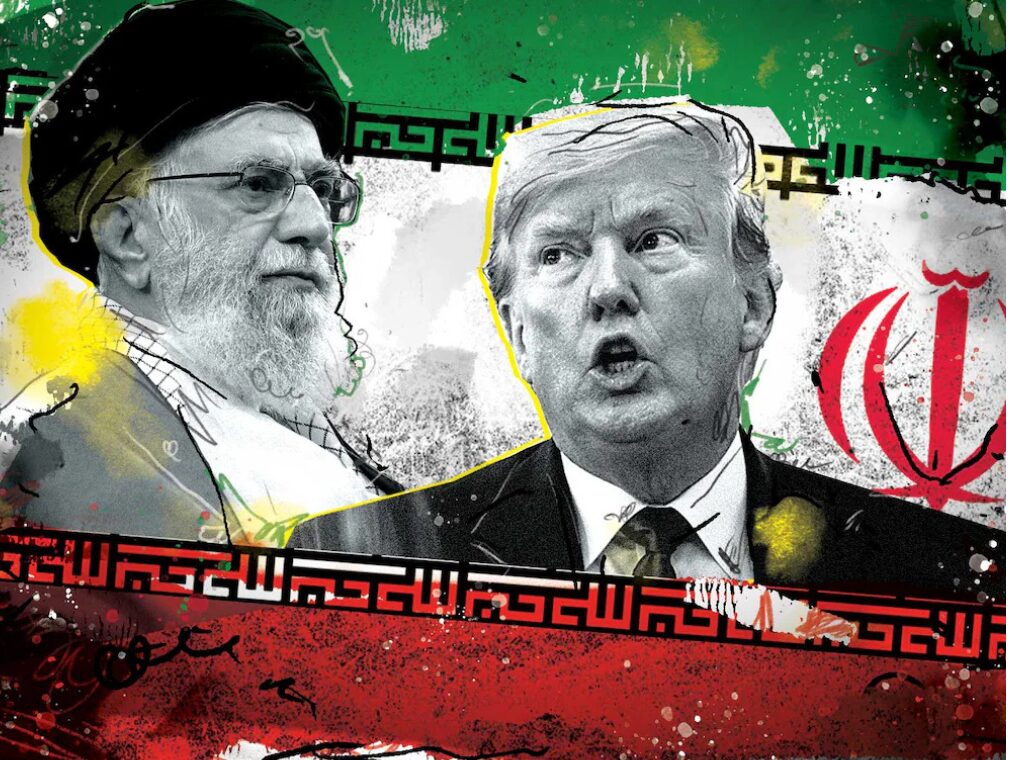
As of July 16, 2025, tensions in the Middle East have escalated significantly, with Iranian-backed groups launching a series of drone strikes against U.S. interests in Iraq’s Kurdistan region. The most recent attack, on July 14, targeted the Sarsang oil field operated by the U.S. company HKN Energy, forcing a suspension of operations.
This incident is part of a broader pattern of aggression that includes strikes on the Khurmala oil field and near the U.S. consulate and airport in Erbil, where U.S. air defenses successfully intercepted incoming drones. The U.S. Embassy in Baghdad has condemned these attacks, calling on the Iraqi government to take decisive action against the responsible armed groups.
Escalation of Drone Strikes
The drone strike on the Sarsang oil field marks a worrying escalation in the ongoing shadow war between Iranian-backed militias and U.S. forces in Iraq. The attack, which occurred on July 14, halted production at the field, a critical asset for HKN Energy, a U.S.-based company active in Iraq’s Kurdistan region.
This incident follows a series of similar attacks, including one on the Khurmala oil field and another near the U.S. consulate and airport in Erbil, the capital of the Kurdistan region. In the Erbil attacks, U.S. air defenses managed to intercept the drones, preventing further damage or casualties.
These strikes are part of a broader campaign by Iranian-backed groups, which have been emboldened by the ongoing tensions between Iran and the United States. The timing of the Sarsang attack, coming just days after a drone strike near the U.S. consulate, suggests a coordinated effort to target American interests in the region.
The U.S. Embassy in Baghdad issued a strong statement condemning the attacks, urging the Iraqi government to hold those responsible accountable and to take measures to prevent future incidents.
Geopolitical Context
The escalation of drone strikes must be understood within the context of the deteriorating relations between the United States and Iran. Since the reimposition of U.S. sanctions under President Donald Trump, Iran has sought to exert pressure on American interests through its proxies in the region.
The attack on the Sarsang oil field is seen by some analysts as a form of retaliation for recent U.S. military actions, including airstrikes on Iranian-backed targets in Syria and Iraq.
Iran’s Supreme Leader, Ayatollah Ali Khamenei, has been a vocal critic of U.S. policy, and the timing of these attacks has led to speculation that they may be part of a broader strategy of revenge. The drone strikes are not isolated incidents but part of a pattern of hybrid warfare that includes cyber-attacks, disinformation campaigns, and direct military actions. This strategy aims to undermine U.S. influence in the region and force a reevaluation of American policy towards Iran.
Impact on Iraq’s Kurdistan Region
The Kurdistan region of Iraq, which has enjoyed a degree of autonomy since the early 1990s, has become a focal point for these tensions. The region is rich in oil resources, making it a prime target for both economic and strategic attacks.
The Sarsang oil field, operated by HKN Energy, is a significant asset, and its disruption has economic repercussions for both the company and the region. The repeated attacks on oil infrastructure threaten to destabilize the Kurdish economy, which is heavily reliant on oil exports.
Moreover, the presence of U.S. interests in Erbil, including the consulate and airport, makes the region a flashpoint for conflict. The U.S. has a significant military presence in Iraq, with thousands of troops stationed across the country, and the Kurdistan region serves as a key logistical hub. The drone strikes near the consulate and airport are particularly concerning, as they target symbols of American influence and could escalate into a broader confrontation.
Iraqi Government’s Response
The Iraqi government faces a delicate balancing act in responding to these attacks. On one hand, it must address the concerns of the United States, its key ally, and ensure the security of American interests in the country.
On the other hand, it must manage its relations with Iran, which wields considerable influence through its proxies. The U.S. Embassy’s call for action against the responsible armed groups places pressure on the Iraqi government to take a firm stance, but this could provoke retaliation from Iranian-backed militias.
Prime Minister Mohammed Shia al-Sudani has condemned the attacks, stating that they undermine Iraq’s sovereignty and efforts to attract foreign investment. However, the government’s ability to curb these groups is limited, given their deep entrenchment in Iraqi politics and society. The Popular Mobilization Forces (PMF), a network of militias that includes Iranian-backed groups, play a significant role in the Iraqi security apparatus, complicating efforts to hold them accountable.
Broader Implications
The escalation of drone strikes in Iraq’s Kurdistan region has broader implications for the Middle East and the global community. It highlights the ongoing proxy war between the United States and Iran, which shows no signs of abating. The attacks also underscore the vulnerability of critical infrastructure to asymmetric warfare, a tactic that Iranian-backed groups have perfected over the years.
For the United States, the incidents are a reminder of the challenges of maintaining a presence in a region where it faces determined adversaries. President Trump has expressed frustration with the situation, calling for a stronger response to Iranian aggression. However, any military action carries the risk of further escalation, potentially drawing the U.S. into a broader conflict.
For Iraq, the attacks threaten to undermine its fragile stability and economic recovery. The Kurdistan region, in particular, is at risk of becoming a battleground for competing interests, which could have long-term consequences for its autonomy and prosperity. The international community, including the United Nations and regional powers, must play a role in de-escalating tensions and promoting dialogue to prevent a full-scale war.
The drone strike on the Sarsang oil field in Iraq’s Kurdistan region on July 14, 2025, is a stark reminder of the ongoing tensions between the United States and Iran. As Iranian-backed groups escalate their attacks on U.S. interests, the region teeters on the brink of further conflict.
The U.S. Embassy’s condemnation and call for action reflect the urgency of the situation, but the response from the Iraqi government remains uncertain. As the world watches, the question remains: will this be Khamenei’s revenge, or can diplomacy prevail to avert a larger crisis? Only time will tell.