In a significant escalation of its efforts to weaken Moscow’s financial power, the Group of Seven (G7) nations have pledged to impose strict sanctions on countries and corporations continuing to buy Russian oil.
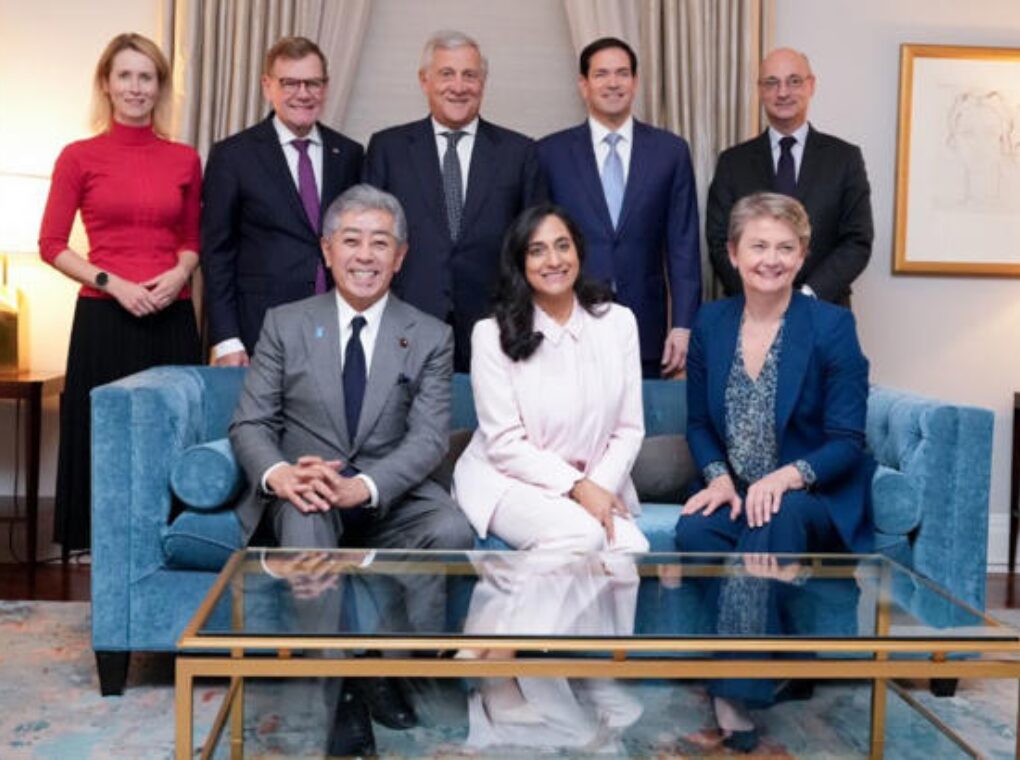
The announcement follows a high-level virtual meeting where finance and trade ministers from the U.S., Britain, Canada, France, Germany, Italy, and Japan resolved to step up economic measures against Russia more than three years into its war with Ukraine.
“Maximizing Pressure on Moscow”
The G7’s joint statement underscored the need to “maximize pressure on Russia’s oil exports,” identifying energy revenues as the primary lifeline funding the Kremlin’s military aggression. “Those who continue to increase their purchase of Russian oil since the invasion of Ukraine and those who facilitate circumvention of existing restrictions will face serious consequences,” the communiqué stated.
Officials said the measures under consideration include new tariffs, import and export bans, and broader trade restrictions designed to cut Russia off from global financial flows. The group believes that targeting energy buyers is the next critical step to reducing Moscow’s war chest.
China and India in the Crosshairs
While numerous smaller economies continue limited imports of Russian oil, the spotlight has firmly turned toward China and India, the world’s two fastest-growing major economies. Both nations have dramatically expanded their purchases of discounted Russian crude since 2022, effectively replacing lost European demand.
China has become Moscow’s single largest oil customer, while India has emerged as the second-largest buyer, often refining Russian crude and re-exporting petroleum products to Western markets. Analysts note that this has allowed Russia to stabilize revenues despite existing sanctions.
For Washington and its allies, this trend poses a serious challenge. A senior G7 diplomat bluntly noted, “Without action against the big buyers, sanctions remain half-effective.”
Trump Pushes for Harsher Penalties
The new push aligns with U.S. President Donald Trump’s recent calls for stronger enforcement mechanisms. Trump, who has consistently criticized “sanctions without teeth,” urged the G7 and European Union to impose punitive tariffs on countries importing Russian oil. According to U.S. officials, the intent is to raise the cost of doing business with Moscow to unsustainable levels.
“The countries and corporations helping Russia in its war against Ukraine will face trade restrictions,” the G7 statement echoed.
Global Trade and Oil Market Implications
The threat of sanctions against buyers like China and India raises complex questions for global energy markets. Both nations have repeatedly defended their purchases as essential to meet growing domestic demand, arguing that they are not bound by Western sanctions regimes. India, in particular, has emphasized that cheap Russian crude helps stabilize fuel prices for its 1.4 billion citizens.
Should the G7 impose tariffs or restrictions on Indian and Chinese oil imports, the ripple effects could be enormous. Experts predict a potential spike in crude prices, heightened volatility in global supply chains, and the possibility of retaliatory trade measures from targeted nations.
Energy market analysts also caution that stricter measures might push Russia to deepen energy ties with alternative blocs such as BRICS and the Global South, further fragmenting the global trading system.
Balancing Pressure with Diplomacy
The G7 faces the difficult task of balancing punitive action with diplomatic engagement. China is not only Russia’s partner in energy but also a rival superpower to the West, while India remains a crucial strategic partner for Washington and Europe in balancing Chinese influence in the Indo-Pacific. Overly aggressive sanctions risk pushing New Delhi closer to Moscow, complicating Western geopolitical strategies.
At the same time, officials stress that failure to act risks undermining the credibility of sanctions altogether. “If loopholes continue unchecked, Moscow will keep funding its war indefinitely,” warned a European minister.
What Lies Ahead?
Although no final timeline has been announced, the G7 ministers are expected to meet again in the coming weeks to finalize the measures. Observers believe the new sanctions package could represent the toughest coordinated effort yet to cut Russia off from oil revenues since the Ukraine war began in 2022.
For Russia, the G7’s warning signals a fresh attempt to choke its economic survival. For China and India, it sets the stage for a looming confrontation with the West over energy security, trade sovereignty, and geopolitical alignment.
As the war drags on, the battlefield is no longer confined to the frontlines of Ukraine but extends deep into the global economy—where oil flows, tariffs, and sanctions may determine the outcome of one of the 21st century’s defining conflicts.