As October 2025 unfolds, the global stage is once again gripped by heightened uncertainty. The long and devastating Russia–Ukraine conflict, now in its fourth year, has taken another volatile turn. The abrupt cancellation of a long-planned summit between U.S. President Donald Trump and Russian President Vladimir Putin in Hungary has coincided with sweeping new sanctions, renewed nuclear posturing, and the near-total collapse of communication between major powers.
While the world hoped for a diplomatic thaw, it now finds itself watching an escalating cycle of confrontation—marked by sanctions, military drills, and frozen dialogue.
Stalled Diplomacy: The Canceled Trump–Putin Summit
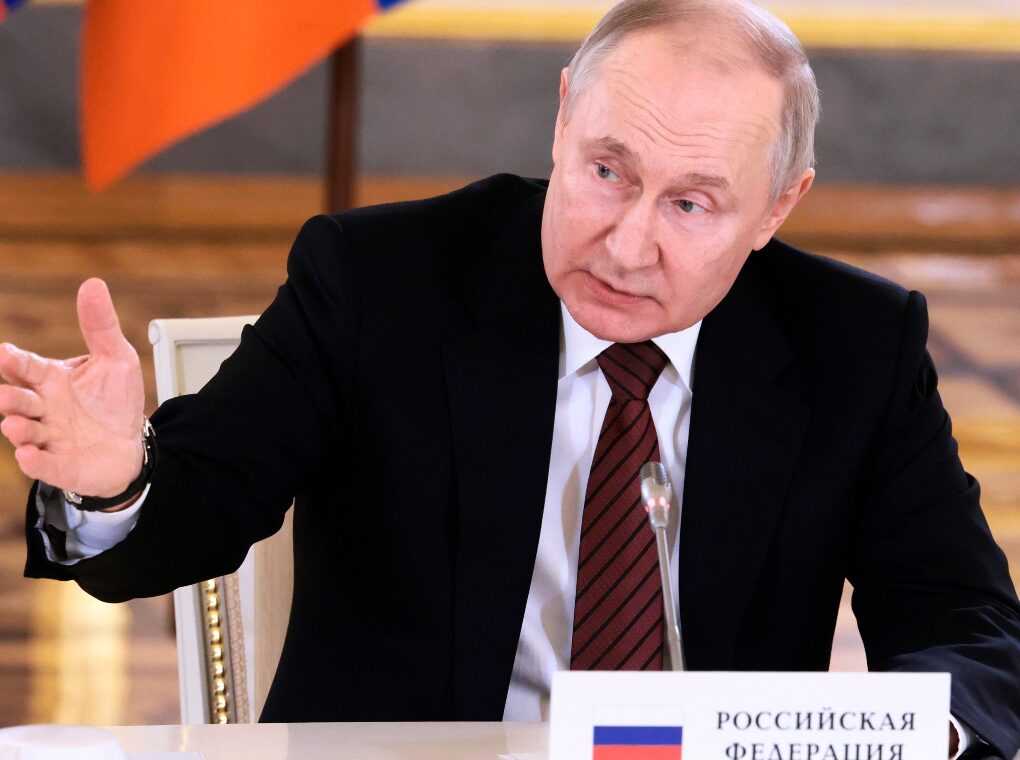
The much-anticipated second meeting between President Trump and President Putin was intended to revive the stagnant peace process. Scheduled to take place in Budapest, the summit aimed to address the deteriorating situation in Ukraine and explore a ceasefire framework.
However, just days before the meeting, the White House abruptly announced its cancellation. President Trump cited Moscow’s reluctance to commit to a ceasefire as the key reason. According to senior U.S. officials, the Kremlin refused to offer meaningful concessions on territorial control in eastern Ukraine.
Unofficial sources suggest deeper tensions behind the scenes. Trump reportedly expressed frustration with both Kyiv and Moscow, allegedly admonishing Ukrainian President Volodymyr Zelenskyy to “make peace by ceding Donbas,” warning that Russia would otherwise “destroy Ukraine.” Though the White House has declined to confirm these reports, the remarks have drawn sharp reactions in Kyiv, where officials described the cancellation as a diplomatic blow.
The Kremlin, meanwhile, sought to project calm, describing the summit’s delay as “a scheduling matter,” though insiders admit the decision blindsided Moscow. Russian officials revealed that a strategic nuclear drill—originally planned for the same week—had been postponed in anticipation of the meeting. Following its cancellation, that restraint was promptly abandoned.
Sanctions Surge: The U.S. and EU Tighten the Economic Noose
Within hours of the summit’s collapse, Washington and Brussels unveiled a coordinated escalation in economic warfare. The U.S. Treasury Department imposed sweeping sanctions on Russia’s two largest oil producers, Rosneft and Lukoil, freezing their U.S.-based assets and threatening secondary sanctions against any foreign entities that continued to trade with them.
These measures represent one of the most aggressive financial moves since the start of the conflict, targeting the oil revenues that sustain Russia’s war effort. The United States described the step as a “decisive blow to Moscow’s capacity to wage war.”
The European Union soon followed with its 19th sanctions package, marking a historic shift in its policy. For the first time, the EU sanctioned Chinese companies accused of facilitating Russia’s sanctions evasion. The package targeted four Chinese oil refineries, multiple trading firms, and 117 tankers suspected of transporting Russian crude through third-party routes.
The inclusion of Chinese firms underscores the West’s growing seriousness about enforcing secondary sanctions—closing the loopholes that had long undermined previous measures. European Commission President Ursula von der Leyen described the move as “a necessary step to protect the integrity of our sanctions regime.”
Oil markets reacted immediately, with prices surging nearly six percent as traders braced for supply disruptions. Analysts warn that India and other major importers could face short-term refinery disruptions, while Moscow may redirect exports through the Gulf and Central Asia.
Nuclear Posturing: NATO and Russia Conduct Parallel Drills
As economic pressure intensified, military signaling followed swiftly. NATO began its annual Steadfast Noon nuclear exercise on October 13, involving up to 70 aircraft from 14 allied nations. The drill, which runs until October 24, includes B-52 bombers, F-16s, and various support aircraft, focusing on coordination and deterrence readiness in the North Sea region.
NATO insists the exercise is routine, emphasizing that no live nuclear weapons are used. However, in the current geopolitical climate, timing speaks volumes. The alliance framed the operation as a “reminder of NATO’s readiness to defend every inch of Allied territory.”
In apparent response, Russia launched its own strategic nuclear forces exercise on October 22, overseen by President Putin via video link. The drill tested the full nuclear triad—intercontinental ballistic missiles, submarine-launched ballistic missiles, and Tu-95 long-range bombers.
The synchronization of these exercises—occurring just as diplomatic channels falter—has alarmed observers. Security analysts warn that simultaneous drills raise the risk of miscommunication or accidental escalation. “When nuclear powers conduct high-intensity exercises without active communication lines, the margin for error narrows dangerously,” noted one NATO defense official.
Escalation on the Ground: The War Deepens
On the battlefield, conditions remain grim. Russian forces have intensified strikes on Ukraine’s power grid, targeting critical energy infrastructure as winter approaches. Kyiv has reported extensive damage to its electricity network, with major blackouts across the Dnipro, Kharkiv, and Odesa regions.
Ukraine has retaliated with a wave of long-range drone strikes on Russian oil depots and refineries, aiming to cripple Moscow’s energy exports. Several fires were reported at facilities in Bryansk and Volgograd, further tightening Russia’s fuel supplies.
According to estimates from Western intelligence, Russian forces have gained approximately 166 square miles of territory since late September, but at heavy cost, with casualties averaging nearly 100 soldiers per day. In the south, Russian troops trapped near the Dnipro River are reportedly facing severe logistical shortages amid continued Ukrainian strikes.
The humanitarian situation continues to deteriorate, with tens of thousands displaced from frontline regions and mounting civilian casualties.
Frozen Channels and Mounting Uncertainties
Perhaps the most concerning development is the breakdown of communication between the United States and Russia. Following the canceled summit, direct deconfliction lines—used to prevent accidental clashes—have reportedly gone silent. Both Washington and Moscow acknowledge “technical challenges” in re-establishing contact, though neither side appears willing to compromise.
European officials have expressed alarm over this diplomatic freeze. Several EU leaders have urged Brussels to establish an independent channel for dialogue with the Kremlin, arguing that relying solely on U.S.-Russia talks has left Europe dangerously sidelined.
China, now facing Western sanctions for the first time, has responded cautiously. Beijing condemned the measures as “illegal interference” but stopped short of retaliatory action, wary of further straining ties with its largest export markets.
Observers warn that the situation represents a classic escalation trap: sanctions drive military posturing, which further erodes trust and shuts down diplomacy. The absence of dialogue increases the likelihood of miscalculation—whether in the air, at sea, or through cyber warfare.
A Precarious Future
The convergence of sanctions, drills, and silence has created a perfect storm of geopolitical instability. The Russia–Ukraine war has evolved beyond a regional conflict into a multidimensional confrontation involving the world’s most powerful states.
Diplomats describe the current environment as “the most dangerous since the Cuban Missile Crisis,” where even small provocations could spiral uncontrollably.
As the month closes, one truth becomes clear: the world’s diplomatic machinery is breaking down at the precise moment it is most needed.
Sanctions may weaken economies, and drills may showcase strength, but without communication, deterrence risks giving way to disaster.
The fate of peace now rests not on power, but on restraint—and the willingness of rival powers to talk before it is too late.