
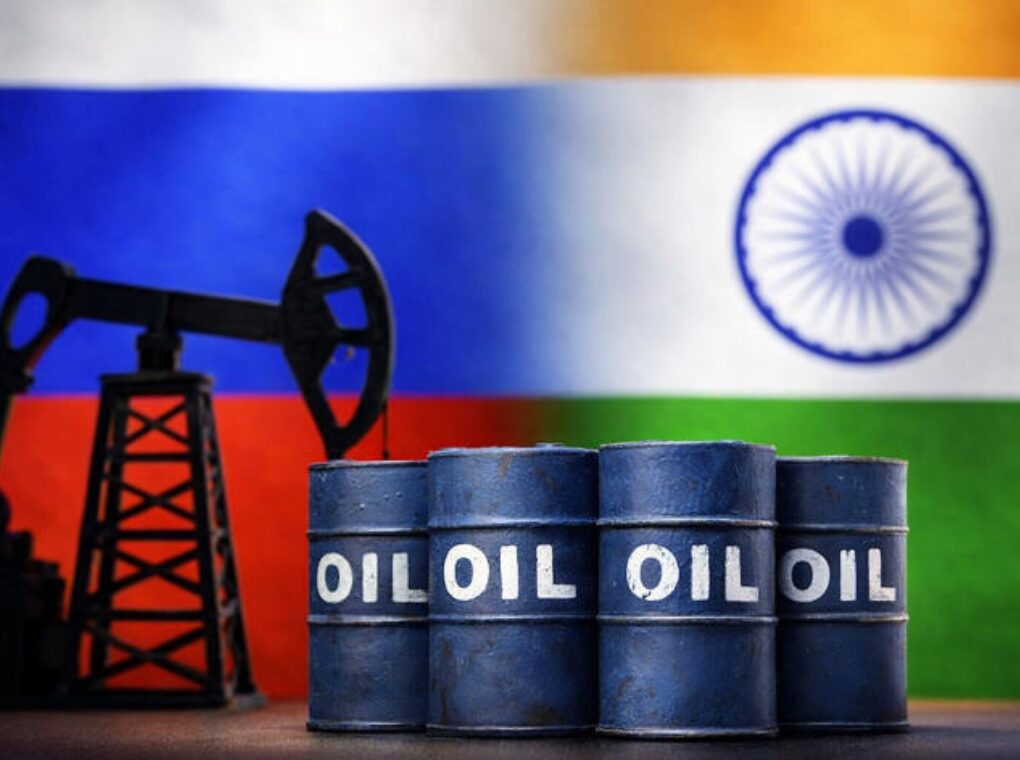
In a significant policy reversal, the United States has extended temporary waivers allowing the purchase of Russian oil already loaded onto tankers, despite earlier indications that no such relief would be granted. The decision comes amid escalating geopolitical tensions linked to the Iran conflict and underscores Washington’s attempt to stabilize global energy markets. For India, one of the largest importers of Russian crude, this move offers crucial short-term relief in an increasingly volatile oil landscape.
Just days before the extension, US Treasury Secretary Scott Bessent had ruled out the possibility of renewing the waivers. However, shifting ground realities—particularly the disruption risks stemming from the Iran war—appear to have prompted a rapid reassessment. The US Treasury Department has now issued a new general license, effectively replacing the earlier waiver and extending the deadline for transactions involving already-shipped Russian oil until May 16.
Why the US Reversed Its Decision
The policy U-turn reflects the mounting pressure on global oil supply chains. The ongoing conflict involving Iran has heightened concerns over disruptions in key transit routes, especially the strategically critical Strait of Hormuz. This narrow maritime corridor handles a substantial portion of the world’s oil shipments, and any instability in the region can trigger sharp price spikes and supply shortages.
By allowing limited continued trade in Russian oil, the US aims to prevent a sudden shock to global supply. The waiver applies specifically to oil that was already loaded onto vessels before sanctions enforcement tightened, ensuring that these shipments can still reach buyers without legal or financial complications.
A Timely Boost for India
For India, which imports nearly 90% of its crude oil requirements, the waiver is a critical development. Over the past two years, Russia has emerged as a key supplier, offering discounted crude that helped India manage rising global oil prices and contain domestic inflation.
The renewed waiver ensures continuity in these supplies at a time when alternative sources—particularly from the Middle East—face uncertainty. Nearly 40% of India’s oil imports pass through the Strait of Hormuz, making any disruption in the region a direct threat to its energy security.
Additionally, the geopolitical tensions have led to increased insurance premiums for oil shipments in the Gulf region. Insurers are reassessing risks, making transportation more expensive and complex. In this context, access to Russian oil through alternative routes provides Indian refiners with a valuable cushion.
Rising Costs Despite Continued Access
While the waiver allows India to maintain supply flows, it may not deliver the same financial advantages as before. Russian crude prices have reportedly surged to their highest levels in over a decade, reducing the steep discounts that Indian refiners previously enjoyed.
This shift could have broader economic implications. Higher import costs may translate into increased fuel prices domestically, potentially fueling inflationary pressures. However, continued access to Russian oil—even at elevated prices—still offers greater stability compared to the uncertainty of sourcing entirely from conflict-prone regions.
Surge in India’s Russian Oil Imports
Recent data highlights India’s growing dependence on Russian crude. In March, imports surged dramatically, tripling in value to approximately €5.3 billion. The volume of imports also doubled, driven by both increased demand and rising global prices.
India emerged as the second-largest importer of Russian oil during the month, accounting for around 38% of Moscow’s exports, second only to China. This marks a notable shift from February, when India ranked third behind China and Turkey.
State-owned refiners played a significant role in this surge, with purchases rising by 148% month-on-month. Analysts suggest that Indian buyers accelerated purchases in anticipation of tighter sanctions and potential supply disruptions.
Strategic Implications
The US decision to extend the waiver highlights the complex balancing act between enforcing sanctions on Russia and maintaining global energy stability. While sanctions were initially designed to curb Moscow’s revenues following the Ukraine conflict, the Iran war has introduced new variables that complicate enforcement.
For India, the development reinforces the importance of diversification in energy sourcing. While Russian oil remains a key component, geopolitical uncertainties underline the need for a balanced approach that includes multiple suppliers and strategic reserves.
The US waiver extension on Russian oil is a pragmatic response to a rapidly evolving geopolitical crisis. For India, it offers a much-needed buffer against supply disruptions and price volatility, even as costs rise. As global energy markets remain on edge, such policy shifts will continue to play a crucial role in shaping the economic outlook for major import-dependent nations.