In a significant development for global trade and energy markets, Iran has announced the full reopening of the Strait of Hormuz to all commercial vessels. The move comes in tandem with a temporary ceasefire between Israel and Hezbollah in Lebanon, raising cautious optimism about regional stability.
Iranian Foreign Minister Seyed Abbas Araghchi confirmed on Friday that the critical maritime corridor will remain “completely open” for the entire duration of the ceasefire. The announcement marks a sharp shift from Tehran’s earlier stance, when the strait had been effectively closed following escalating tensions with the United States and Israel.
Strategic Lifeline Reopens
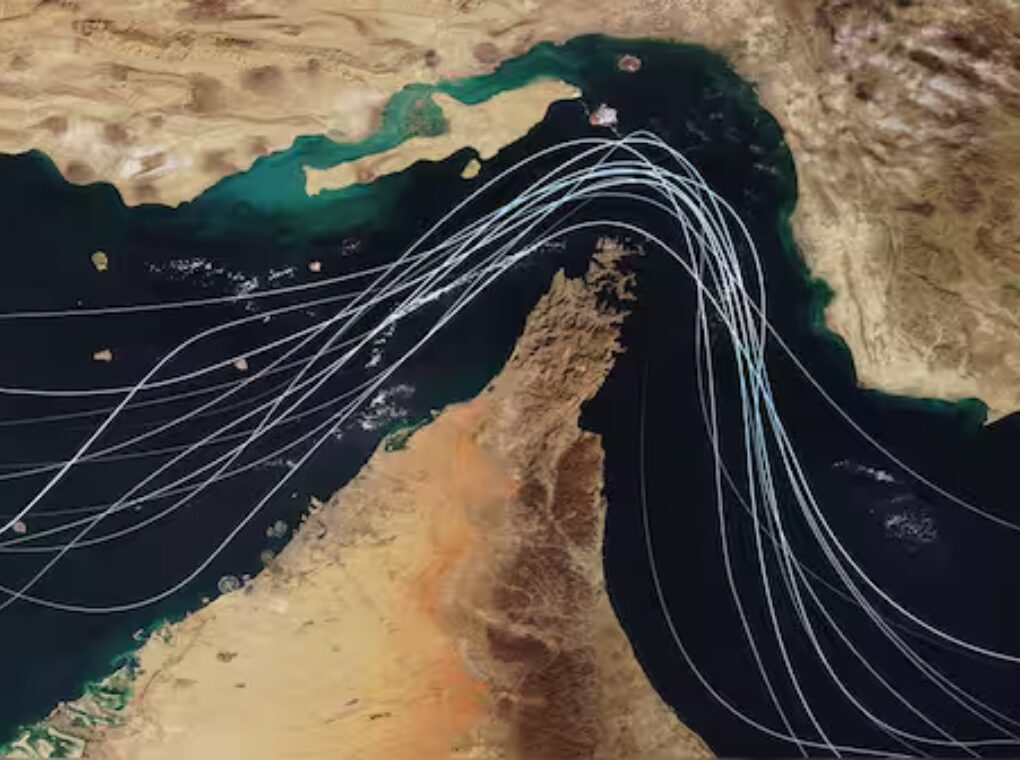
The Strait of Hormuz is one of the world’s most vital energy chokepoints, handling nearly 20% of global crude oil exports. Its closure in recent weeks had sent shockwaves through international markets, driving oil prices sharply upward and triggering fears of a prolonged energy crisis.
With the reopening, Iran has allowed all commercial vessels to resume transit, albeit along “coordinated routes” designated by its Ports and Maritime Organization. This caveat suggests that while traffic is now permitted, Tehran continues to maintain operational control over the passage.
Satellite imagery and maritime tracking data indicate that oil tankers have already begun moving through the adjacent Sea of Oman toward the strait, signaling a rapid normalization of shipping activity.
Ceasefire Drives Diplomatic Shift
The decision coincides with a 10-day ceasefire agreement between the Israel Defense Forces and Hezbollah, which came into effect after weeks of intense fighting in Lebanon. The conflict has resulted in over 2,000 deaths and displaced more than 1.2 million people, according to regional estimates.
The ceasefire is widely seen as a key factor behind Iran’s move, as tensions linked to the broader regional conflict had previously prompted Tehran to restrict maritime access. By reopening the strait, Iran appears to be signaling a willingness to de-escalate—at least temporarily.
Trump Responds, Maintains Pressure
US President Donald Trump responded quickly to the announcement, publicly thanking Iran for reopening what he referred to as the “strait of Iran.” However, Trump made it clear that Washington’s broader strategy remains unchanged.
Despite the reopening, the United States will continue its naval blockade of Iranian ports. Trump stated that these measures will remain in place until a comprehensive agreement with Tehran is finalized, emphasizing that any easing of pressure would depend on a “100% complete” deal.
This dual approach—welcoming the reopening while sustaining economic and military pressure—highlights the fragile and complex nature of current US-Iran relations.
Oil Markets React Swiftly
Global energy markets reacted immediately to the news. Oil prices fell sharply within minutes of the announcement, reflecting reduced concerns over supply disruptions.
Crude oil prices dropped by more than 10%, settling at just over $83 per barrel, while Brent crude fell to approximately $88 per barrel. Analysts suggest that the reopening of the Strait of Hormuz has eased fears of a prolonged supply crunch, at least in the short term.
However, experts caution that the situation remains volatile. The reopening is explicitly tied to the duration of the ceasefire, which is set to expire in the coming days. Any renewed hostilities could once again threaten the free flow of oil through the region.
Ongoing Risks and Warnings
Despite the positive developments, tensions remain high. Iran’s Islamic Revolutionary Guard Corps (IRGC) has issued strong warnings to both the US and Israel, stating that any further attacks would provoke a “regret-inducing” response.
The continued US blockade, coupled with Iran’s insistence on controlling shipping routes, underscores the precarious balance currently in place. While the reopening of the strait is a welcome development for global markets, it is far from a permanent resolution.
Iran’s decision to reopen the Strait of Hormuz marks a critical turning point in a rapidly evolving geopolitical crisis. While it has provided immediate relief to global energy markets and eased fears of disruption, the move is closely tied to a fragile ceasefire and ongoing diplomatic tensions.
As the ceasefire deadline approaches, the world will be watching closely. Whether this reopening leads to sustained stability or proves to be a brief pause in a broader conflict remains uncertain—but its impact on global trade and geopolitics is undeniable.