
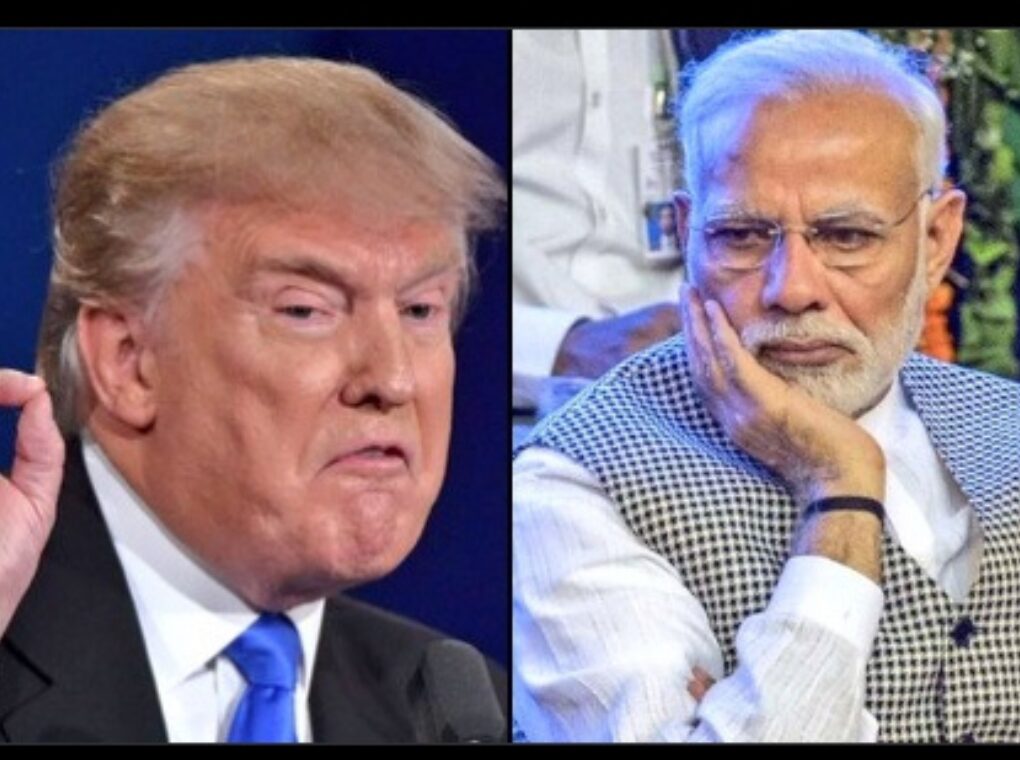
The United States has announced that India will be invited to join Pax Silica, a US-led strategic technology and supply chain initiative, marking a significant step in deepening bilateral cooperation in critical and emerging technologies. The announcement was made by newly appointed US Ambassador to India, Sergio Gor, during his arrival speech in New Delhi, where he underlined Washington’s intent to reset and strengthen ties with India amid evolving global technology and geopolitical dynamics.
“Today, I’m pleased to announce that India will be invited to join this group of nations as a full member next month,” Ambassador Gor said. “As the world adopts new technology, it is essential that India and the United States work hand-in-hand from the very start of this initiative.”
Launched in December 2025, Pax Silica brings together a group of US allies and trusted partners, including Japan, South Korea, the United Kingdom, Australia, Singapore, Israel, and the United States, with the aim of building secure, resilient, and innovation-driven supply chains for silicon-based technologies and artificial intelligence (AI).
What Is Pax Silica?
Pax Silica is an initiative spearheaded by the US Department of State, focusing on artificial intelligence, semiconductor ecosystems, and supply chain security. The term “pax” signifies peace, stability, and prosperity, while “silica” refers to silicon—the foundational material used in computer chips, advanced electronics, and AI infrastructure.
The initiative seeks to create a new economic security consensus among participating nations, especially in areas where technological dependencies have become geopolitical vulnerabilities. Its scope spans the entire technology value chain—from critical mineral extraction and energy inputs to semiconductor manufacturing, AI infrastructure, and global logistics.
According to the US State Department, Pax Silica aims to establish a “secure, resilient, and innovation-driven technology ecosystem” capable of supporting the next phase of global technological growth.
Objectives of the Initiative
Pax Silica has three broad strategic goals:
Reducing coercive dependencies, particularly in global supply chains dominated by single countries
Securing technology supply chains, including joint investments to address vulnerabilities in AI and semiconductor production
Protecting sensitive technologies while building trusted digital and physical infrastructure
At its core, the initiative is designed to unite countries that host advanced technology firms and research ecosystems, with the aim of unleashing the economic potential of the AI age and fostering what the US describes as “AI-powered prosperity.”
Why India Matters
India’s inclusion would significantly expand the geographic and industrial reach of Pax Silica. While New Delhi was not part of the founding summit in Washington, DC, US officials had earlier indicated that India was viewed as a “highly strategic potential partner” and that its inclusion would follow a phased approach.
India’s growing role in global manufacturing, its large talent pool in technology and engineering, and its ambition to become a semiconductor and electronics hub make it a natural fit for the initiative. Ambassador Gor’s announcement suggests that Washington now sees India as central to its long-term technology strategy.
For India, joining Pax Silica could address one of its most pressing vulnerabilities: heavy dependence on China for rare earth minerals and critical technology inputs. Despite possessing significant domestic reserves, India currently relies on Chinese imports for processing and refining. This dependence was exposed last year when China temporarily halted rare earth exports, disrupting India’s automotive and electronics industries.
Membership in Pax Silica could help India diversify supply sources, expand its own extraction and processing capabilities, and integrate more deeply into trusted global technology networks.
Strategic Implications
India’s potential entry into Pax Silica comes at a time of intensifying global competition over semiconductors, AI, and advanced manufacturing. The initiative aligns closely with India’s domestic priorities under programs such as Make in India, Digital India, and its push to attract semiconductor fabrication plants.
For the United States, India’s participation would strengthen a broader coalition of democracies seeking to reduce reliance on single-country supply chains—particularly in the context of strategic competition with China. It also signals growing trust in India as a long-term partner in sensitive and high-value technology sectors.
However, New Delhi has so far maintained a measured public stance, refraining from immediate confirmation and continuing its tradition of strategic autonomy. Indian officials are expected to weigh the economic and technological benefits against broader diplomatic considerations.
What Lies Ahead
If India formally joins Pax Silica next month, it would mark a major milestone in India-US relations and reshape India’s role in the global technology order. As AI, semiconductors, and critical minerals become central to economic and national security, participation in Pax Silica could give India a stronger voice in setting the rules and standards of the next technological era.
The coming months will reveal how New Delhi navigates this opportunity—but the invitation itself underscores India’s rising importance in the global tech and strategic landscape.