Amid the rapidly escalating conflict in the Middle East, a major geopolitical development has emerged from the United Arab Emirates. The country’s Minister of State, Lana Nusseibeh, has made it clear that the United States will no longer be allowed to use UAE airspace or territory to launch attacks against Iran.
Her remarks could have far-reaching implications for the ongoing confrontation involving the United States, Israel, and Iran, potentially shaping both the direction of the war and the geopolitical landscape of the region.
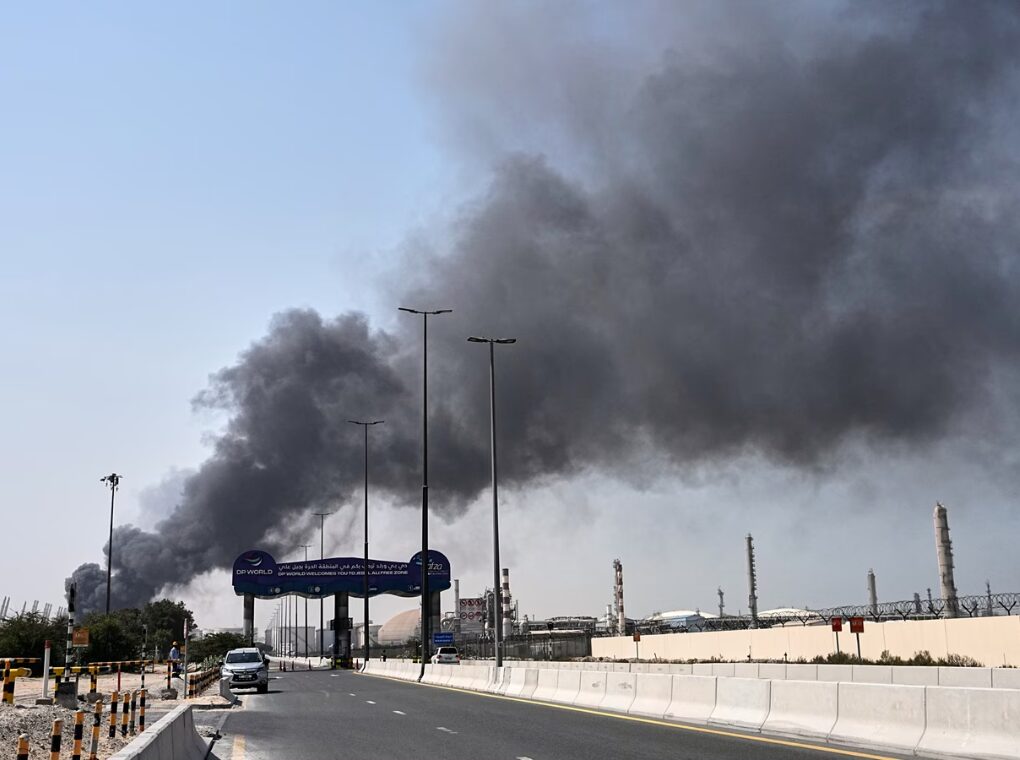
While strongly condemning Iran’s attacks on Gulf countries as “serious, illegal, and unprovoked,” Nusseibeh emphasized that the UAE does not intend to respond through military escalation. Instead, she reiterated that diplomacy remains the only viable path forward.
Most importantly, she stated that the UAE would not permit the United States to use its land or airspace for strikes against Iran. The statement comes at a time when tensions across the Middle East are intensifying and the region appears increasingly entangled in conflict.
Strait of Hormuz Crisis Deepens
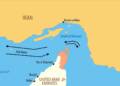
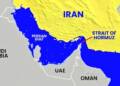
One of the most serious consequences of the ongoing confrontation has been the disruption of trade through the Strait of Hormuz — one of the world’s most critical maritime oil routes.
Global shipping through the strait has slowed dramatically as fears of Iranian retaliation and missile threats grow. The situation has placed enormous pressure on the global energy market and regional economies.
Before the war escalated, Gulf states expected the United States and its powerful navy to ensure safe passage through the strait if tensions escalated. However, the administration of Donald Trump has so far avoided deploying major naval forces to break any potential blockade.
This hesitation has shaken confidence among Gulf countries that traditionally relied on the American security umbrella.
What the UAE’s Position Signals
The UAE’s decision appears to highlight two important geopolitical shifts.
First, trust in the United States — particularly in Trump’s leadership during this crisis — seems to be weakening among Gulf allies. Many regional observers believe Gulf nations feel they have been pulled into a costly and open-ended conflict largely driven by Washington’s alignment with Israel.
Second, Iran’s strategy of pressuring Gulf economies appears to be working.
By targeting economic vulnerabilities and creating fear around oil routes and regional infrastructure, Tehran may be attempting to push Gulf countries to pressure Washington toward negotiations.
If that is the case, the UAE’s call for diplomacy could be seen as an early sign that the strategy is influencing regional decision-making.
Military Options for the US Could Shrink
If more Gulf states follow the UAE’s lead and restrict US access to their territory or airspace, Washington’s operational options against Iran could become significantly limited.
Launching precision strikes against hardened Iranian targets requires specialized aircraft such as the stealth bomber Northrop Grumman B-2 Spirit. These aircraft are capable of carrying heavy bunker-busting bombs designed to penetrate underground missile storage sites and fortified facilities.
Without access to nearby Gulf bases, such operations become far more difficult.
One alternative could be the US military base on Diego Garcia in the Indian Ocean. However, the distance from Iran makes missions longer, more expensive, and operationally complex.
Another theoretical option could involve cooperation with countries like Pakistan, though such involvement appears highly unlikely given the risks of entering a major regional conflict.
Domino Effect Across the Gulf?
Analysts believe other Gulf states — including Oman, Qatar, Bahrain, and Kuwait — could soon signal similar positions.
Saudi Arabia technically has an alternative oil export route through the Red Sea, but that path is more expensive and still faces security threats from the Houthi movement in Yemen.
Meanwhile, Iraq remains politically constrained and is unlikely to play an independent role in shaping the conflict.
If Gulf countries collectively restrict US military operations from their territories, the ability of the United States and Israel to conduct large-scale operations against Iran would be significantly reduced.
Diplomacy May Become the Only Option
The UAE’s emphasis on diplomacy suggests that regional powers may increasingly push for negotiations rather than escalation.
For Washington, this could leave diplomatic engagement as the most practical path forward.
However, the balance of pressure may now be shifting. With disruptions in the Strait of Hormuz and rising economic concerns across the region, Iran may feel it has leverage to demand more favorable terms before returning to the negotiating table.
If that happens, the next phase of the crisis could be determined not by missiles or military strikes — but by negotiations and the conditions under which they take place.
For now, one thing is becoming clear: the Gulf’s geopolitical dynamics are shifting, and the long-standing assumptions about American military dominance and regional alliances may be entering a period of serious reassessment.